How food is turning streets into urban hotspots
Bars and restaurants are driving the “third place” concept and turning urban spaces into hubs of connection and culture
The latest edition of the “The coolest streets in the world in 2025” ranking, put together by the British magazine Time Out, marked a first: for the first time ever, a Brazilian street tops the list. The one chosen was Rua do Senado, in downtown Rio de Janeiro. The recognition was no accident. The place became a symbol of an urban transformation driven by food, by culture and by the ability of bars and restaurants to give new meaning to once-forgotten spaces.
The phenomenon seen in Rio is not an isolated one. In different cities, the occupation of streets by food businesses has created new flows, drawn crowds and given rise to sought-after destinations, where the experience goes far beyond the act of eating.
When the table becomes a meeting point
Rua do Senado has established itself as an example of how hospitality and connection can transform an address. The “third place” concept, developed by sociologist Ray Oldenburg, helps explain this movement. It refers to a space that is neither home nor work, but where people find belonging, interaction and identity.
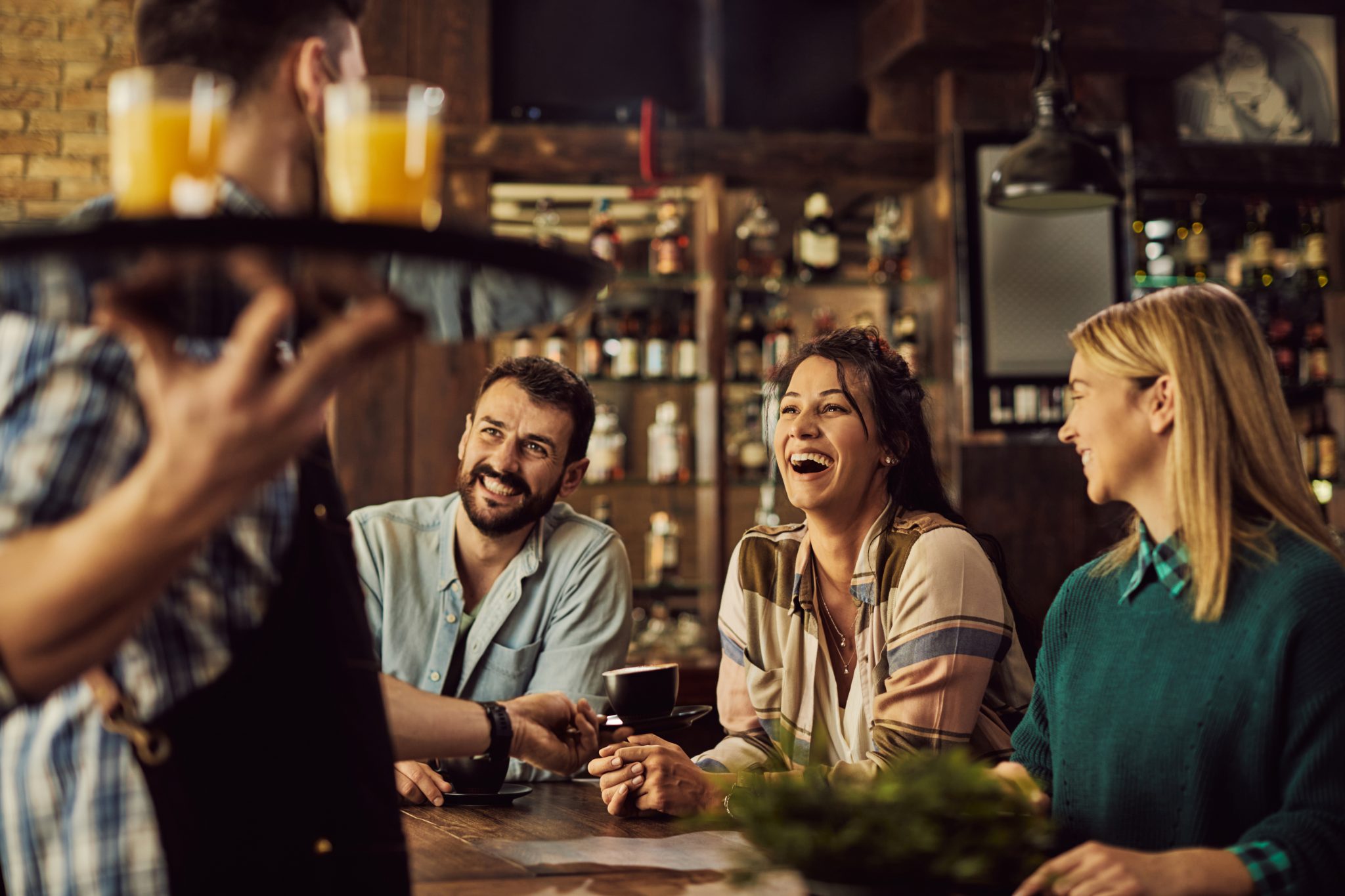
In this context, bars, coffee shops and restaurants take on a central role. They are no longer just points of consumption and become spaces for connection, where customers feel part of the place. The simple act of sitting down for a coffee or sharing a table starts to build relationships and memories.
This kind of experience turns ordinary streets into reference points. The food, the atmosphere and the social interactions combine to create something bigger: a connection with the place.
The third place in the food service industry
In the world of eating out, the “third place” is gaining traction as a response to the fast pace of cities. Even before choosing a dish, customers look for a space where they feel welcome. Before consumption comes the connection.
Conversations at the counter, chance encounters and the repetition of habits create an ongoing relationship between the public and these establishments. That bond is what turns bars and restaurants into repeat destinations, capable of giving an entire street its identity.
More than serving meals, these spaces start to offer experiences. And it is precisely this shift that drives urban revitalization in a number of areas.
Streets that tell stories
Rua do Senado has become one of the main symbols of Rio's bohemian life. Old mansions, once underused, now house bars, restaurants, antique shops and cultural spaces. The result is a living street, with constant activity and a diversity of experiences.
Chef Lúcio Vieira, who runs Braseiro Labuta and Restaurante Lilia, highlights the role of food in this process: “Rua do Senado is the hub that brings these operations together on a journey of evolution,” he says.
At Restaurante Lilia, the sophisticated culinary proposal coexists with the historic backdrop of the antique shops. At Braseiro Labuta, the experience is more laid-back, with meats, beers and the energy of the street mixing with the crowd. According to Vieira, this movement has helped revitalize the area, increase foot traffic and strengthen the sense of safety.
He sums up the process clearly: “We saw a symbiotic relationship: the bars and restaurants encouraged cafés, bookstores, studios and galleries to open. The street stopped being a place you pass through and became a living organism.”
A movement spreading across Brazil
The transformation seen in Rio de Janeiro is repeating itself in other Brazilian cities. In São Paulo, areas such as Barra Funda have started attracting new businesses and crowds. In Salvador, the Rio Vermelho neighborhood has cemented its culinary and cultural calling.
This movement shows that urban revitalization can start from the creative occupation of spaces. Even areas with an industrial profile or ones that are little explored can gain new life when bars and restaurants start acting as engines of transformation.
Chef Daniel Park, of Komah, reinforces this reading by highlighting that food has the power to reshape territories. When done well, it draws flow, keeps people around and creates identity.
Good food, encounters and new ways of living the city
What is happening on Rua do Senado and in other parts of Brazil reveals a shift in how cities are occupied. Once-forgotten streets now concentrate experiences, encounters and culture. Warehouses turn into restaurants, old buildings find new uses and entire areas are rediscovered.
More than the food, what sustains this movement is the sense of belonging. Food is the starting point, but what really cements these spaces as destinations is the connection between people.
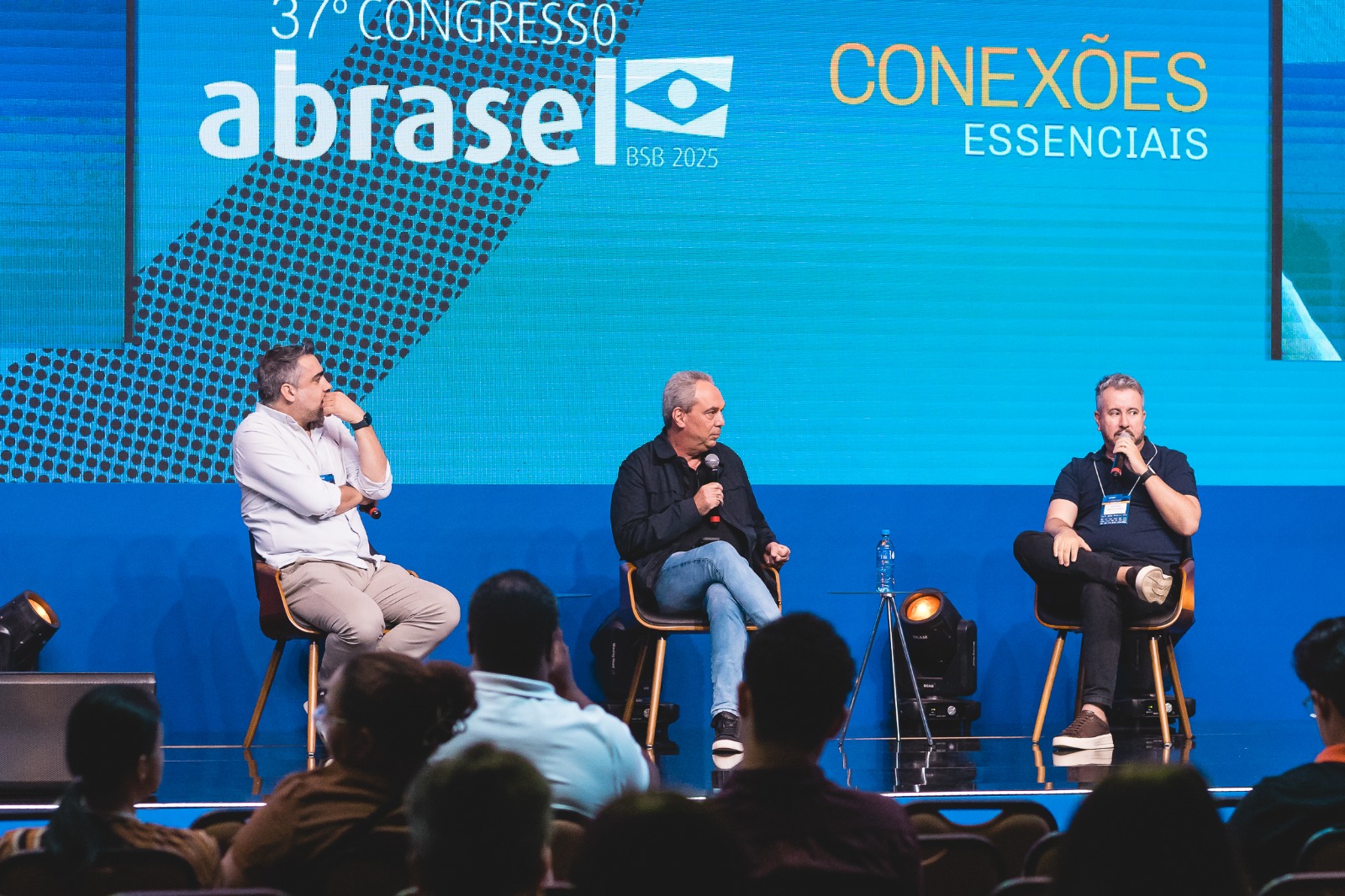
This new look at the urban also speaks to initiatives and discussions promoted by organizations such as Abrasel, which closely follow the impact of eating out on the dynamics of cities.
In the end, what you see is a quiet but profound transformation: cities are being redrawn from the tables, the encounters and the stories that are born around them.