Barbecue Day: Tradition and Innovation in Brazil
Barbecue Day, celebrated on April 24, strengthens the Brazilian tradition, while the out-of-home dining sector adjusts its offerings and experiences to the consumer
Celebrated on April 24, Barbecue Day highlights the importance of one of Brazil's leading culinary traditions. With roots in Rio Grande do Sul, the date was established by state law 11,929 of 2003, which also recognizes gaúcho-style barbecue as the state's typical dish.
Across the country, the practice remains tied to socializing and sharing, while at the same time undergoing adaptations in the out-of-home dining sector.
Gaúcho tradition and menu evolution
With 90 years of history, Restaurante e Churrascaria Santo Antônio, in Porto Alegre (RS), keeps up the traditional preparation of meats on a charcoal grill, with cuts served à la carte, sourced from gaúcho cattle.
Manager Fabrício Kuhn explains that the restaurant seeks to balance tradition and innovation on the menu. “We're always watching market trends and we try to combine them with the venue without ever losing the tradition that brought us here. We've been focusing on proteins, low-carb preparations and a few dishes that suit the vegan/vegetarian crowd,” Fabrício reveals.
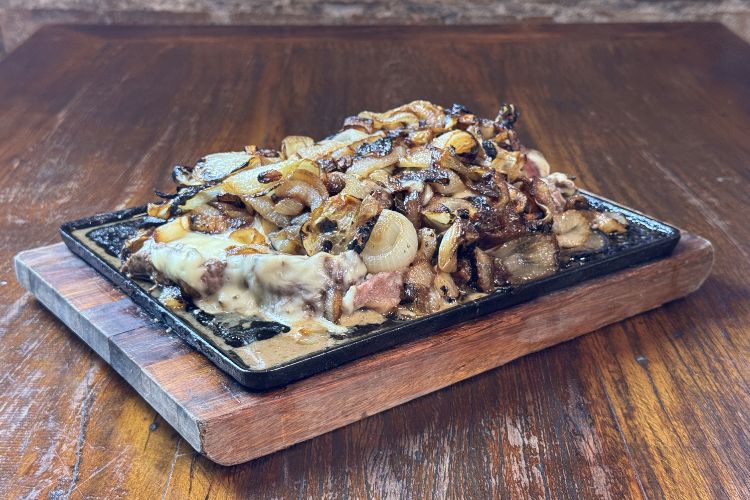
Among the most sought-after cuts are the entrecôte and the assado de tiras, plus ribs cooked on the spit, keeping the hallmark traits of regional cooking.
Consumption in transformation
Changes in consumer behavior have also impacted the sector. A survey by Abrasel – the Association of Bars and Restaurants, conducted with business owners across Brazil, indicates that 61% already notice gradual shifts in consumption, linked to the use of weight-loss drugs such as Ozempic and Mounjaro.
These changes have encouraged establishments to offer more flexible alternatives, such as smaller portions and options for sharing.
At the Baita Boi steakhouse, in Cruz das Almas (BA), the strategy has been to bet on the shared experience at the table. “When barbecue stops being something simple and starts being treated with technique, respect for the product and cultural identity, the customer connects on a deeper level, and that generates repeat visits, memory and loyalty,” says Luiz.
Regionalism and identity
Valuing regional elements is also gaining ground. At Baita Boi, techniques such as smoking are used to reinforce local identity and add value to the dining experience. “Smoke isn't just a technique, it's memory. It carries history. In our case, it translates the Recôncavo Baiano — a region that has always had a very strong relationship with fire, with time and with flavor built by hand,” he reveals.
The sides follow the same line, with reinterpretations that speak to the regional culture. “We're bringing value to sides that speak to our culture, but with a more culinary reading — fire-roasted vegetables, house-made sauces, combinations that don't just accompany but complete the experience,” Luiz points out.
Regional preferences in consumption
In Campo Grande (MS), Manura Churrascaria e Cozinha Árabe adapts its offering to the local profile. According to owner Munir Saad Júnior, the all-you-can-eat model is customers' favorite. “People from Campo Grande, from Mato Grosso do Sul, have a preference for rodízio,” he says.
The restaurant offers more than 20 cuts, with picanha standing out at 30% of monthly sales, followed by cupim, served in different versions, including traditional preparations and regional reinterpretations.
Between tradition and innovation, barbecue remains a central element of Brazilian food culture. By taking on new strategies, valuing regional identities and adapting to consumer behavior, bars and restaurants keep alive the practice of sharing at the table, a defining trait of this kind of experience.