
End of the 6x1 schedule could raise costs for small businesses
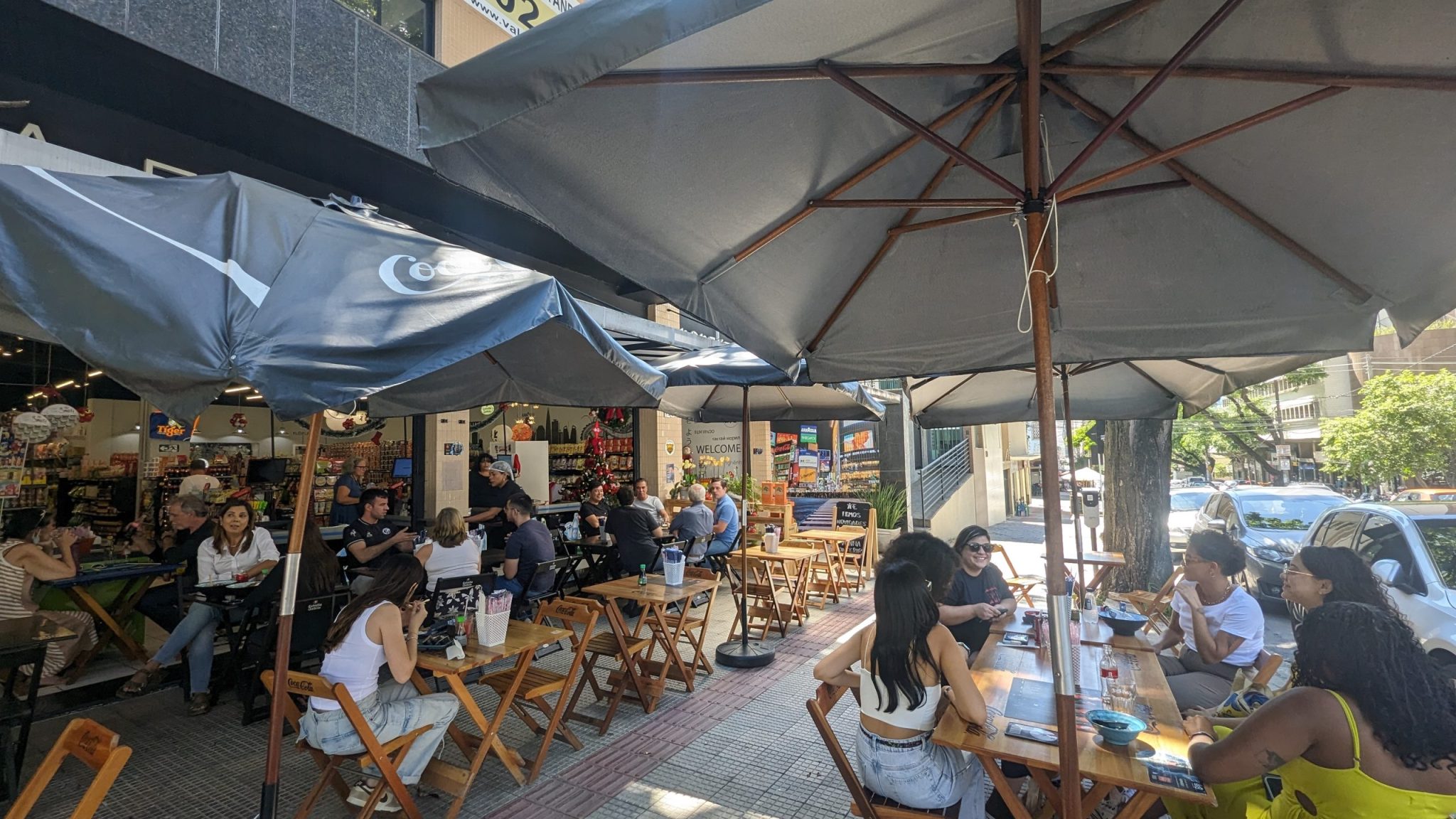
Business owners in the food-service industry expect an impact on operations and on consumers' wallets
The proposal under discussion in the National Congress that would end the 6×1 work schedule and cut the workweek from 44 to 40 hours is already mobilizing small business owners in the food-service industry.
Owners of establishments with few employees point to a possible rise in costs, the need for new hires and a direct impact on consumer prices.
Hiring and a bigger payroll
With the possibility of changes to the workweek, business owners are already projecting the need to expand their teams. That's the case for Lucas Amstalden, a partner at the pizzeria Pizza67 in Campo Grande (MS), which currently has five employees.
For him, the main difficulty isn't the weekly hours, but the reduction in days worked. “The schedule change isn't viable, because I'm going to lose 1 day. Even if I'm within the weekly hour limit, I'll still have fewer days. Since we work 30 days a month, I need to hire people to cover that extra day off, so like it or not, I'm going to have to add 2 more employees,” he says.
With a monthly payroll of around R$ 15,000, the business owner estimates a significant increase in costs. “My cost is going to go from R$15 to at least R$25,000, and to cover that cost, I'm going to have to sell R$35,000 to R$40,000 more per month,” he reveals.
Price adjustments
The rise in operating expenses is expected to show up in what products cost. According to Lucas, it will be hard to absorb the costs without passing them on to consumers. “At first we need to pass it on, there's no way around it, especially because there's no way to grow sales overnight,” he says. The projection is for a price adjustment of between 15% and 20% to balance the books.
In Viçosa (MG), Edilson da Silva, a partner at Lanchonete do Dênis, also believes the impact will be unavoidable. “If the government thinks people have to rest more, and I think they do too, why not change only the hours worked? The big difficulty for the small business owner is the schedule. There will be a price increase. If my cost goes up, if my operation gets harder, I'm going to have to pass it on,” he says.
The business owner also stresses that the economic scenario is already squeezing consumption, with high inflation and consumers carrying more debt.
Competition and informality
Another point of concern is the risk of growing informality in the sector. For Lucas, competing with businesses that operate outside the formal economy is already a challenge. “Our segment faces a lot of competition, and often unfair competition. For example, there are 4 other pizzerias around mine. I'm the only one with a CNPJ, the only one who puts employees on the books, the only one who issues invoices and the only one who pays taxes. The other 3, those guys work from home, they're with their families, so how am I supposed to compete on price with someone like that?”, he vents.
In Edilson's assessment, the lack of deeper debate about the proposal could widen that scenario. “The biggest problem is when legislation comes in rigid — it ends up pushing you into working off the books”, he says. The possible change to work schedules reopens discussions about costs, competitiveness and the sustainability of small businesses. For business owners in the out-of-home food sector, the challenge will be balancing adaptation to the new rules with keeping the operation and prices intact, in an environment already marked by thin margins and fierce competition.