
Foreign tourists boost bars and restaurants
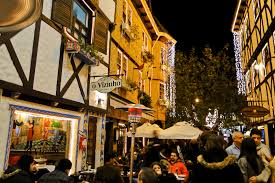
A record number of foreign visitors is putting more money into circulation in the country and calls for adjustments in service, communication and positioning by establishments
The record number of international tourists in Brazil in 2025 had a direct impact on the food-away-from-home sector. With more than 9 million foreign visitors in the country and US$ 6.6 billion injected into the economy between January and October, according to data from the Ministry of Tourism, a significant share of this financial flow passes through restaurants, bars, coffee shops and similar businesses, which are central to the travel experience.
The rise in foreign presence comes at a time of gradual recovery for the sector. A survey by Abrasel indicates that 47% of companies operated at a profit in December, while 16% posted losses and 36% reported stability. The figure shows improved performance, but it also signals that a portion of establishments is still working to consolidate margins and strengthen results.
In this context, international demand emerges as an additional growth opportunity, but it requires operational and strategic adjustments.
Service and communication move to the center of the strategy
In Recife, the restaurant CA JA revamped its service processes to better welcome foreign guests. Partner Yuri Machado says the main transformation happened in how the team communicates with customers. “Over the past few years, we've adjusted our service to better welcome foreign tourists, focusing on explaining the dishes, the regional ingredients and the way we communicate,” he says.
The high turnover typical of the sector creates challenges in building teams with language skills. In response, the restaurant adopted a multilingual digital menu and stepped up explanations directly at the table. According to Machado, tourist traffic increased after the pandemic, especially during the city's busiest periods. He points out that the foreign visitor shows interest in the local culture and tends to recommend the experience to other travelers.
In southern Minas Gerais, in Pouso Alegre, the presence of multinationals is driving the arrival of foreign professionals in the region. At the restaurant where waitress Rafaela Martins works, there was no specific training for this audience, but fluency in English became a differentiator. “Service in English makes a difference, because we can communicate with almost every foreign customer. The menu in English helps a lot,” she says.
The strategy adopted was to route tourist service to staff who speak the language, a move that brought more confidence in communication and raised customer satisfaction.
Integration with the travel trade and positioning as part of the experience
In Florianópolis, Freguesia Coffee Bar structured its operation with a focus on tourism from abroad. The business keeps a bilingual receptionist and partnerships with the local travel trade. According to owner Carla Costa, the visitor profile varies by season. “In the low season we get a lot of Chileans and, in the high season, Europeans predominate, a reflection of the increase in international flights at the city's airport,” she says.
For her, preparation involves more than translating the menu. “You have to be ready to explain the food, the culture and the city's attractions,” she says. By taking on that role, the business positions itself as part of the destination experience and increases its potential for loyalty and referrals.
A structural trend for the sector
The growth of international tourism points to a structural shift in the food-away-from-home sector. Measures such as multilingual menus, basic language training and integration with the travel trade are likely to become a permanent part of establishments' operational routine.
In a scenario where some companies still operate with squeezed margins, as the Abrasel survey indicates, the additional flow of tourists represents an opportunity to raise the average ticket, strengthen brands and diversify the customer base. Consolidating this movement will depend on how well businesses adapt and on tourism keeping up its growth pace in the country.