Gen Z Is Changing Behavior in Bars and Restaurants
The search for experience, lighter drinks and the influence of social media is shifting consumption patterns and challenging venues' traditional models
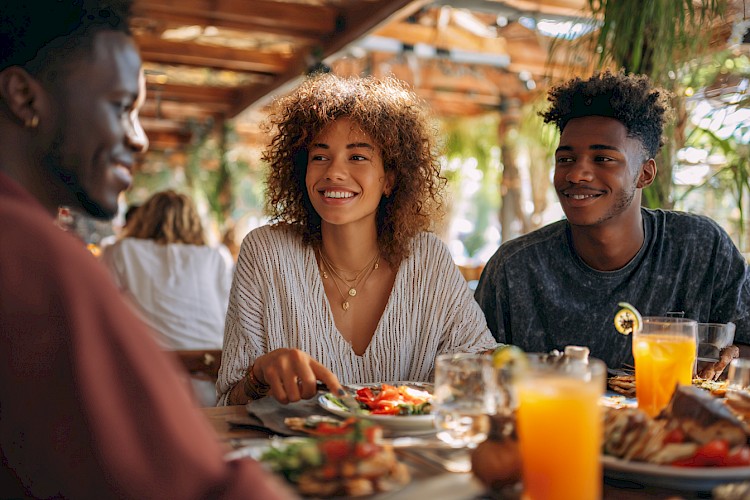
Consumer behavior at food-service venues is going through changes that are already showing up in the day-to-day of these businesses. Young people from the so-called Gen Z, born between the mid-1990s and the early 2010s, arrive at bars with different expectations: they value the experience, the atmosphere and the venue's identity as much as the menu.
This shift comes at a time of greater pressure on the financial Performance of the sector. A survey by Abrasel indicates that 23% of businesses operated at a loss in January, up from the 16% recorded in December. Over the same period, the share of businesses turning a profit fell from 47% to 41%, while 36% broke even.
The survey also shows a drop in revenue. For 57% of owners, January's revenue was lower than December 2025's. Only 25% recorded growth, 17% reported stability and 1% said they weren't operating in the previous period.
In this scenario, understanding the changes in younger customers' behavior becomes strategic for staying competitive and attracting new customers.
Experience carries more weight when choosing a venue
In Ponta Grossa (PR), businessman Lucas Christiano Klas, of Boteco da Visconde, notes that younger customers choose a bar based on a different logic than the one previous generations followed. According to him, the experience a venue offers has come to directly influence the decision to visit.
“The Gen Z audience consumes much more for the experience than for the product alone. At the bar, that shows up in the search for Instagrammable spaces, creative promotions and moments that can be shared on social media”, he says.
According to the owner, many customers research the venue before they even leave home. Photos, videos and comments posted on social media help shape expectations about the atmosphere and the products on offer.
This behavior also directly affects the orders placed at the counter. “Many arrive asking for drinks they saw in videos or in stories. That pushes the bar to think up creations that speak to this digital universe”, he explains.
Young people are changing how they drink
Another noticeable shift is in the type of drink younger customers choose. According to Klas, there hasn't necessarily been a drop in alcohol consumption, but preferences have changed.
“Younger customers tend to swap traditional alcoholic drinks for signature cocktails, gin, twists on the caipirinha and lower-alcohol options. It's not that they drink less, they drink differently”, he says.
In this context, alcohol-free drinks have also started showing up more often in orders. Although they still account for a small share of sales, they are no longer an occasional thing.
“Demand for alcohol-free cocktails has grown. It's still a small slice, but it has become a constant option, especially in groups where not everyone wants to drink alcohol”, says the owner.
Health and new habits shape choices
In other regions of the country, the change in behavior also involves factors related to health and lifestyle. In Ribeirão Preto (SP), owner Nicolas Horta, of the bar O Português, has noticed clear changes in what gets consumed at the tables.
“Tables that used to order two or three rounds of drinks now order one, or sometimes none. The customer still comes, still spends, but the drinks ticket has clearly fallen”, he reports.
According to him, customers have been mentioning weight-loss treatments or the pursuit of more balanced eating habits more often.
“It's common for the customer to say they're undergoing treatment and that they'll eat little or won't drink”, he says.
This shift led the bar to review part of the menu. Known for its generous portions, the venue began offering smaller options and lighter dishes.
“We noticed that a lot of people were leaving food on the plate or splitting one portion among several people. We started offering smaller versions and lighter alternatives”, he explains.
Demand for alcohol-free drinks has also grown at the venue, which prompted the addition of a specific line of cocktails in that category.
Adapting becomes a competitive edge
For business owners in the industry, the changes in consumer behavior don't necessarily mean less interest in bars, but rather a new way of consuming. Young audiences keep coming to venues, but with more selective choices and greater attention to the experience on offer.
In Nicolas Horta's assessment, this trend is likely to consolidate in the coming years. “The new generations already arrive with a different relationship with alcohol and with food, more conscious and more selective. A venue that doesn't see this may keep trying to sell what the customer no longer wants to buy”, he says.
Given this scenario, the challenge for the food service industry comes down to balancing tradition and innovation. Preserving each business's identity while adapting menus, spaces and experiences to the behavior of the new generations may prove decisive for venues to stay relevant in the market.