Recyclables at Carnival Break Record
Collection of cans and other recyclables turns the popular festival into an economic opportunity and reinforces sustainability practices
What happens to the can after the reveler finishes their drink in the middle of the bloco? At Carnival 2026, the answer reached historic scale through recycling. In Salvador, 46 tons of aluminum cans were collected in just four days of celebration, earning the city a place in the Guinness World Records for the largest recycling drive carried out during a Carnival.
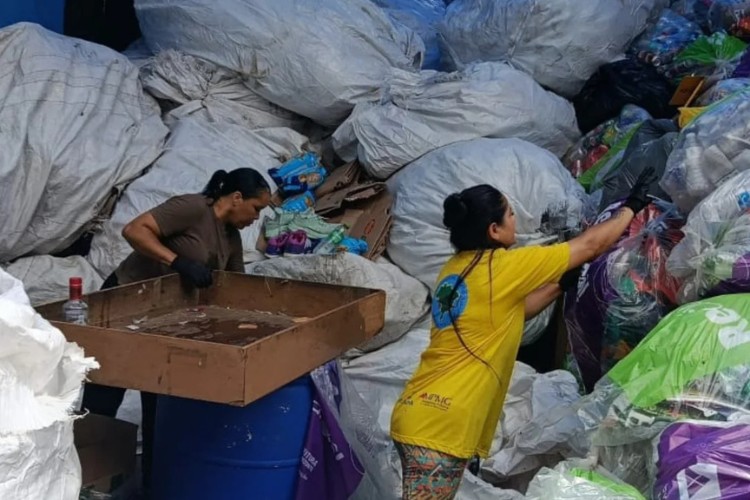
In all, 131 tons of recyclable materials were properly disposed of in the capital of Bahia. The operation mobilized more than three thousand independent waste pickers and over ten cooperatives, with collection centers set up along the main circuits of the festival. The economic impact was also significant: around R$ 1.4 million went directly to these workers' income.
The advance of recycling at Carnival was not restricted to Bahia. In Belo Horizonte, the collection of recyclables grew by 15 tons compared to the previous year. The increase follows the expansion of crowds in the streets and the growth in beverage consumption during street Carnival, which broadens the economic potential generated by large popular events.
For Getúlio Andrade, a waste picker for three decades and a director at ASMARE, the revelry is the most important moment of the year for those who make a living from recycling. “Carnival takes over the whole city. I don't see any other event that compares, not even New Year's Eve. It's an open event”, he says.
Recyclables expand income generation
Among the materials collected, aluminum plays a central role. Because it has a higher market value within the recycling chain, it becomes an important source of income for waste pickers.
“It's the most expensive material generated and sought after. This variety of drinks generates value”, Getúlio explains.
In practice, each package discarded in the streets turns into direct payment for whoever collects it. In Salvador, the structured centers allowed weighing and payment on the same day. In Belo Horizonte, the ReciclaBelô project guaranteed a minimum daily rate of R$ 150 for independent waste pickers during the four days of the festival, in addition to the amount earned from selling the recyclable materials.
The program also provided protective equipment and adequate structure for sorting the waste, strengthening the organization of the work even with the large flow of revelers.
Urban cleaning and circular economy
The expansion of recycling during Carnival also impacts urban cleaning and street safety directly. The quick removal of cans, plastics and glass reduces risks for the public and prevents large volumes of waste from ending up in landfills.
In this scenario, aluminum holds a strategic position. It is one of the most valued materials in the recycling market in Brazil, which broadens the economic impact of collection during large events.
This appreciation helps explain why can recycling took center stage at Carnival. The larger the volume collected, the greater the income generated for waste pickers and the greater the environmental return for cities.
The model adopted in different capitals shows that recycling can work within the logic of the circular economy even at large-scale events. What would be discarded goes back into the production cycle, generates income and reduces environmental impacts.
For Getúlio, the experience shows that waste pickers are capable of working in large-scale operations. “It's a success case. It shows that we can work at big events efficiently”, he says.
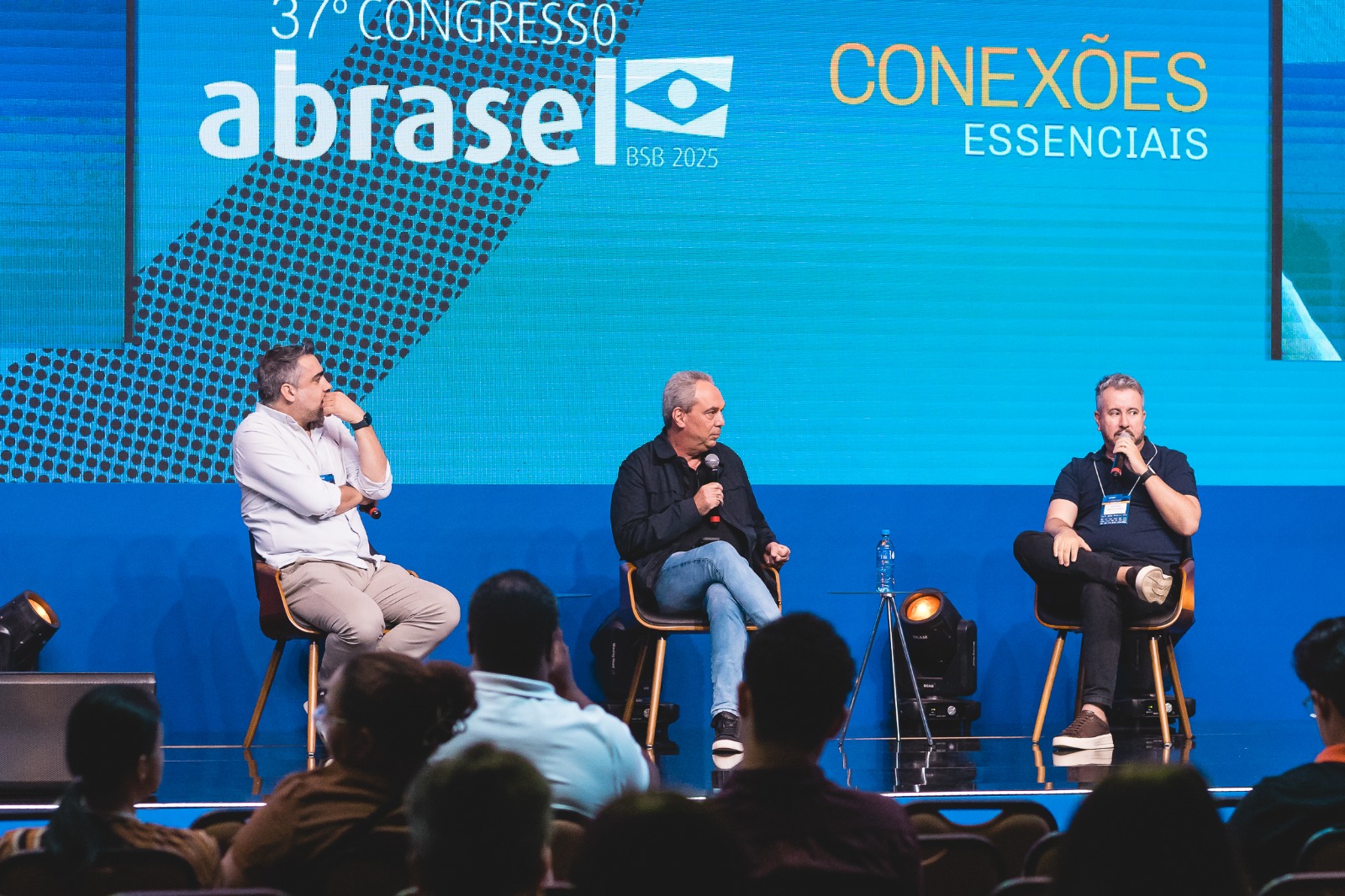
Abrasel's Sustainability lead, Lílian Silva, highlights that waste pickers play an essential role within the out-of-home food sector's chain.
“Waste pickers are fundamental in the production chain of the out-of-home food sector. Without them, recycling doesn't happen, which speeds up the depletion of the planet's natural resources. Bars and restaurants can contribute to the efficiency of these professionals' work by separating waste correctly, generating more income, safety and dignity”, she says.
With millions of people in the streets, recycling stopped being just an environmental issue and became part of the economic dynamics of Carnival. The consumption that drives establishments, street vendors and blocos also sustains a production chain that starts in the street and ends in the recycling industry.
The record set in Salvador and the growth seen in Belo Horizonte indicate that recycling can walk alongside popular culture. To the rhythm of Carnival, each discarded can represents more than aluminum: it represents income, organization and progress in the sustainable management of Brazil's big festivals.