
Sertanejo Strengthens Bars and Restaurants
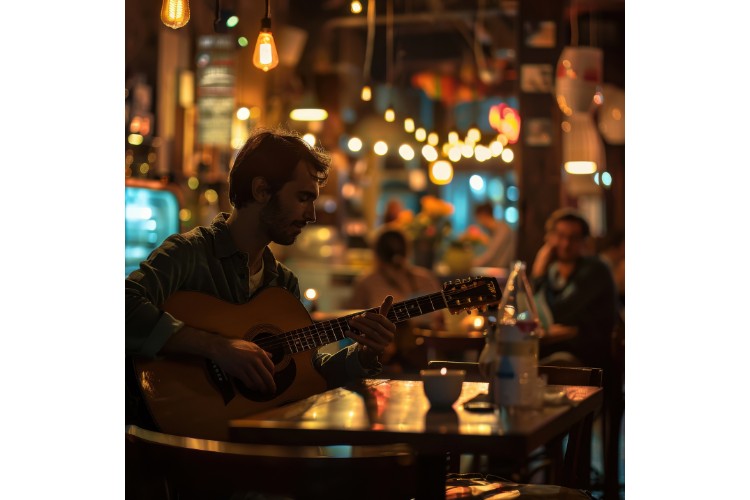
Sertanejo is gaining ground in different regions of the country and is showing up tied to customer traffic, venue identity, and how long customers stay when dining out.
Sertanejo remains one of the most widely used strategies among businesses in the away-from-home food industry to draw crowds and reinforce their positioning. Present both in live music lineups and in the atmosphere of the spaces themselves, the genre is increasingly associated with the experience offered to the customer and with the ways the industry has found to sustain results in a scenario of high costs and price-sensitive consumption.
This movement is happening in a context of market adjustments. An Abrasel survey released in January shows that 57% of establishments recorded an increase in revenue in December compared with November, while 30% said they had not managed to adjust their prices over the past 12 months. The scenario reinforces the search for strategies that increase foot traffic, dwell time, and average spend without relying exclusively on passing costs along.
Music as part of a venue's identity
In Belo Horizonte, Butiquim de Lourdes has made sertanejo a central element of the venue's concept. Owner Jonata Cordeiro explains that the decision was not operational but strategic, tied to the perception that customers associate music, atmosphere, and service with the quality of the experience. For him, the choice of genre helps convey that concept. “We bet on sertanejo music because we believe sophistication lies in the quality of the experience, not in the musical style,” he says.
Over time, the decision stopped being just a programming choice and began to shape the business's positioning. According to the owner, sertanejo was incorporated as a permanent part of the venue's identity, aligned with the customer profile and the concept of the space. He says the impact shows up directly in results, increasing traffic and spending and strengthening brand recognition. Today, he says, the establishment is already identified as a sertanejo venue, which consolidates its positioning in the market.
The music ended up becoming the venue's main draw. Jonata notes that changing its profile would require heavy investment and a lengthy repositioning, which makes the choice even more strategic in the medium term. For him, the genre stopped being just entertainment and started working as a competitive edge within the business.
When sertanejo supports but doesn't lead the strategy
In other regions, the genre also appears as a relevant element, even when it isn't tied to live music. In Lucas do Rio Verde (MT), Buteco da Costela keeps sertanejo only as background music, with no performances. Owner Marcos Venício explains that the establishment operates with the profile of a restaurant and steakhouse and, for that reason, doesn't do live shows, but he recognizes the style's influence in the industry. “Sertanejo drives traffic in the restaurant and in the bar, without a shadow of a doubt,” he says.
According to him, the genre fits especially well with venues' nighttime operation and creates a connection with customers. The owner points out that roots sertanejo tends to draw an immediate response from customers, stirring memories and creating an emotional connection with the space. On the subject of live music, he notes that the cost of artists can become an obstacle in some regions. “The big problem is the very high fees in a lot of places. There would need to be common sense on both sides,” he says.
Even so, he recognizes that music helps attract customers but doesn't sustain the business on its own. According to the owner, spending depends directly on the quality of the menu. “It attracts a lot of people, but that crowd drinks more than it eats. If you don't have a good sharing plate, snack, and dish, music alone won't keep the bar going,” he explains. In the case of Buteco da Costela, the strategy remains centered on the food, with a focus on barbecue and a family atmosphere, even though sertanejo continues to help drive traffic.
A recurring resource given the industry's landscape
The accounts show that sertanejo can play different roles inside establishments, from a central element of the concept to a complementary part of the atmosphere. What they have in common is the perception that the genre helps attract customers, extend their stay, and reinforce the venues' identity.
In a scenario where part of the industry struggles to adjust prices and needs to find new ways to sustain results, sertanejo remains a relevant tool. Whether as the main lineup or as background music, the style stays connected to away-from-home dining and to the industry's day-to-day operation in the country.