World Vegetarian Day in Brazil
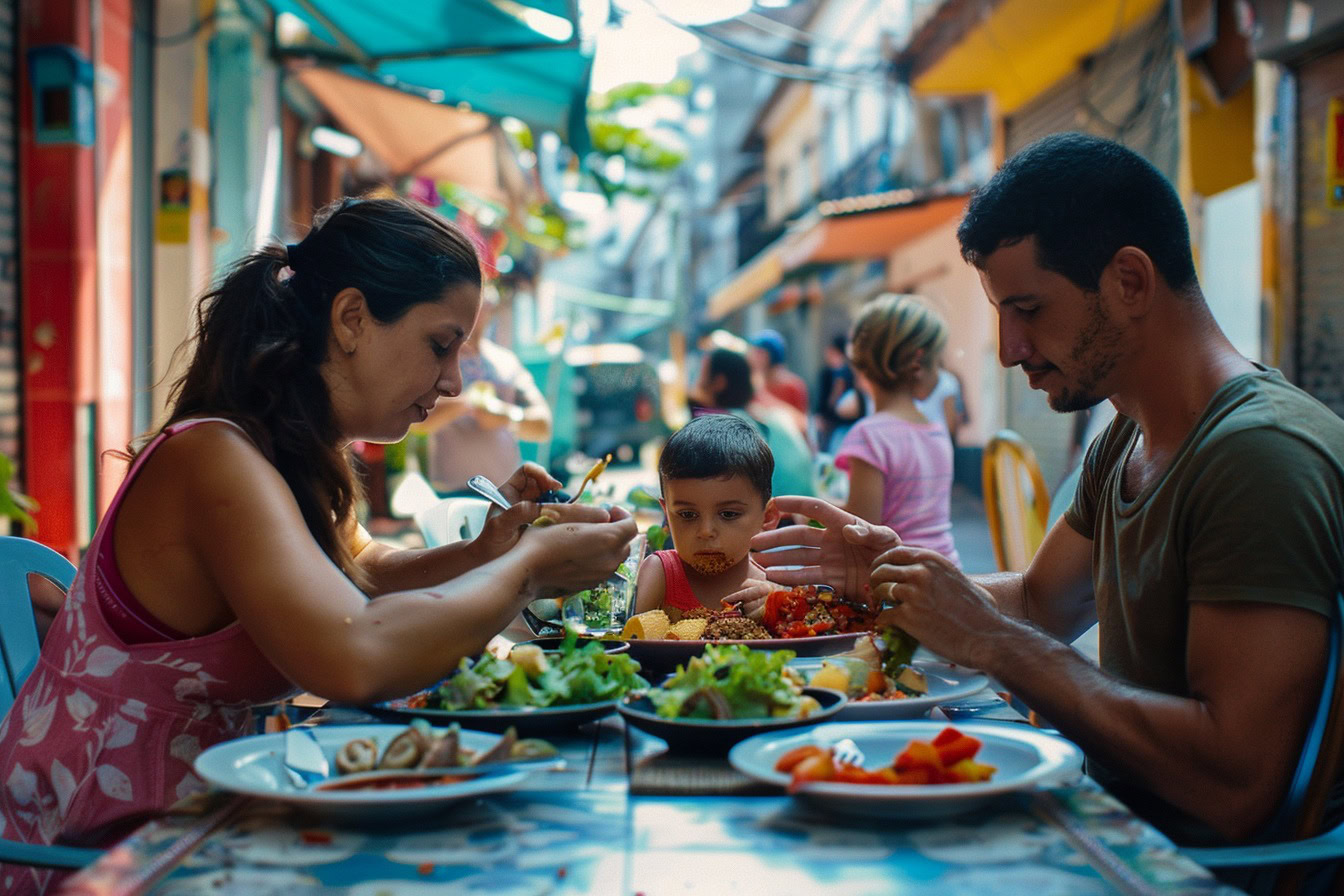
World Vegetarian Day, celebrated on October 1, highlights a growing behavior in Brazil: the reduction of meat consumption. More than a passing trend, initiatives such as “Meatless Monday” and the rising demand for vegan and vegetarian meals show that many Brazilians are adopting a diet with less animal protein, driven by health, sustainability and respect for animals.
According to a survey conducted by Ipec (Inteligência em Pesquisa e Consultoria Estratégica), 46% of Brazilians say they cut back on meat consumption at least once a week. This behavior extends beyond vegetarians and vegans, reflecting a broader shift in the country's eating habits and creating valuable opportunities for bars and restaurants that want to adapt to this reality.
According to Ricardo Laurino, president of the Brazilian Vegetarian Society (SVB), this transformation is driven by several factors. “Brazilians have been frequently choosing vegetarian or vegan meals, whether in search of a better quality of life, out of environmental concerns or out of respect for animals”, says Laurino. With this new demand, business owners in the out-of-home foodservice sector are finding ways to innovate their menus and stand out in the market.
Offering vegetarian and vegan options not only attracts new customers but also builds loyalty among existing ones who want to diversify their diet. Christian Marranghello, an international Vegan Hospitality consultant, explains that including these dishes on the menu is a crucial strategy for any establishment. “Not having an inclusive menu is swimming against the tide. You can create vegetarian and vegan dishes with the ingredients already available in the kitchen, such as grains, pulses and vegetables, without major operational complications”, he emphasizes.
The Florestal restaurant, in Belo Horizonte (MG), run by chef Bruna Martins, is a clear example of this trend. The chef develops vegetarian versions of typical Brazilian dishes, combining innovation and flavor. “I want to show that vegetarian food can be inclusive, appealing both to people who don't eat meat and to those who want to try something new”, Bruna comments. Her work reflects a growing movement of chefs who are redefining plant-based cooking in Brazil.
For bars and restaurants, adapting to this new scenario represents more than inclusion and innovation: it is a way of keeping up with a global transformation that is already on Brazilians' tables. Whether for health, for the environment or for ethical reasons, the reduction in meat consumption is taking hold as a strong trend in Brazil. Establishments that seize this growing demand, offering quality vegetarian and vegan options, will certainly reap the rewards of this new eating behavior.