Bots, Robots and AI: The Future of Restaurants?
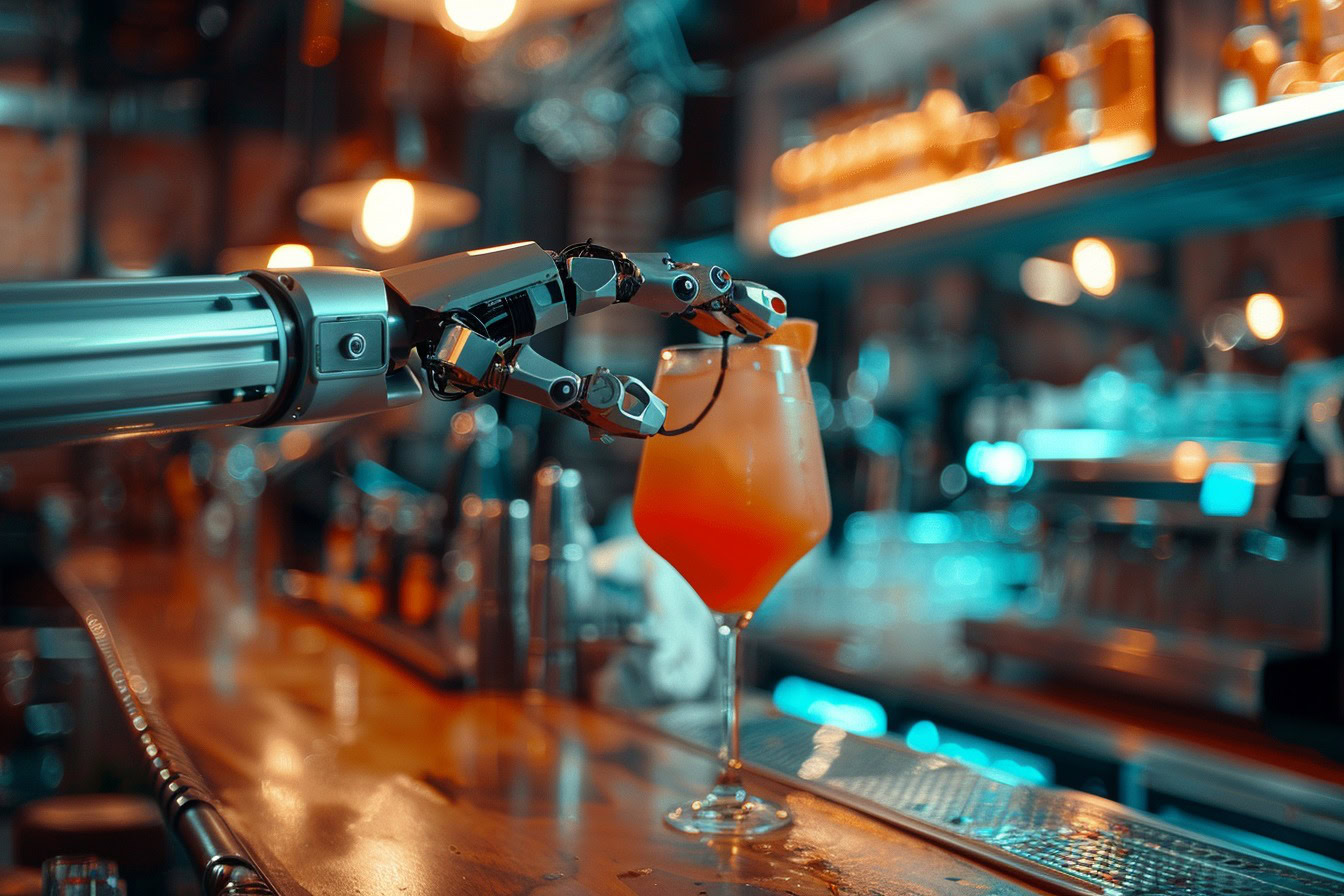
The bar and restaurant industry is showing an increasing trend in adopting solutions using bots (software for automating digital tasks – many using even artificial intelligence generative) and robots (intelligent machines that replace human functions). Menu building, development of management apps, automated machines that streamline kitchen processes… these are some of the actions performed by bots and robots to ease the lives of industry entrepreneurs.
In an interview with the podcast O Café e a Conta, from Bares&Restaurantes magazine, Matheus Mason, owner of Benedito Restaurante, in Campinas/SP, illustrates how he has been using technology to his advantage. “I use AI – artificial intelligence – in a number of ways, from management to personal matters. If I want to put together a marketing plan, for example, I can pull the information from transcripts of audio interviews with staff and customers, and turn that information into topics, with plans and suggestions”, he says.
But what about the use of robots in the food service sector?
The largest food franchise in the world, McDonald’s began testing its first automated restaurant in Texas in late 2022. At this location, customers place orders without any human interaction, using screens and an automated drive-thru. The strategy seeks to innovate in order to improve the customer experience, highlighting the transformative potential of automation in the food service industry to speed up service.
In addition to botsrobot solutions were also highlighted at this year's National Restaurant Association Show (NRA Show), such as robot servers and autonomous cleaning machines. Companies also presented advanced solutions, such as robots that deliver meals to hotel rooms and smart vertical washers for hard-to-reach surfaces.
The technologies presented at the trade show reveal how robots can take on repetitive tasks, which would free up staff to spend more time on complex activities. Bear Robotics’ robots, equipped with LiDAR sensors and state-of-the-art cameras, move through dining rooms with agility and safety, interacting with both customers and staff. “Generative artificial intelligence is the real differentiator, since robots have been around for some time now.
Embedded, it helps improve efficiency and boosts delivery. Both software bots and physical robots have been taking advantage of the productivity gains that AI brings with it”, explains José Eduardo Camargo, head of content and intelligence at Abrasel, the Brazilian Association of Bars and Restaurants.
Advances tend to be accompanied by reductions in operating costs for bars and restaurants, making technology more accessible to establishments. Despite the clear benefits, robot use brings debate about its impact on the job market. While it may reduce the number of service staff, the use of these technologies tends to stimulate new job creation in the development, maintenance and supervision of robots performing assistance in the sector.
It is still unclear whether McDonald’s example is the future of bars and restaurants. The fact is that the potential for robots to assist the industry is still in the early stages of being discovered. As technology advances, robots are expected to perform not only physical tasks, but also to reach a level of interaction with customers similar to that of human servers. All in the name of improving the customer experience service in establishments.