Immigrants boost the food sector
Brazil has been witnessing significant growth in the number of immigrants working with a formal employment contract, which rose 35.9% in the first months of 2024 compared with the same period the previous year, according to data from the General Register of Employed and Unemployed Persons (CAGED). This increase underscores the importance of immigrant labor, especially in the bar and restaurant sector, which faces growing demand for qualified professionals.
In the first eight months of 2024, 16,802 immigrant hires were recorded, with an almost even split between men (7,253) and women (7,682). This growth represents a unique opportunity for the sector, which is looking to tackle the labor shortage. Carlos Silva, owner of a restaurant in São Paulo, says: “The immigrants' cultural diversity translates into new options for our customers, which is an important differentiator.”
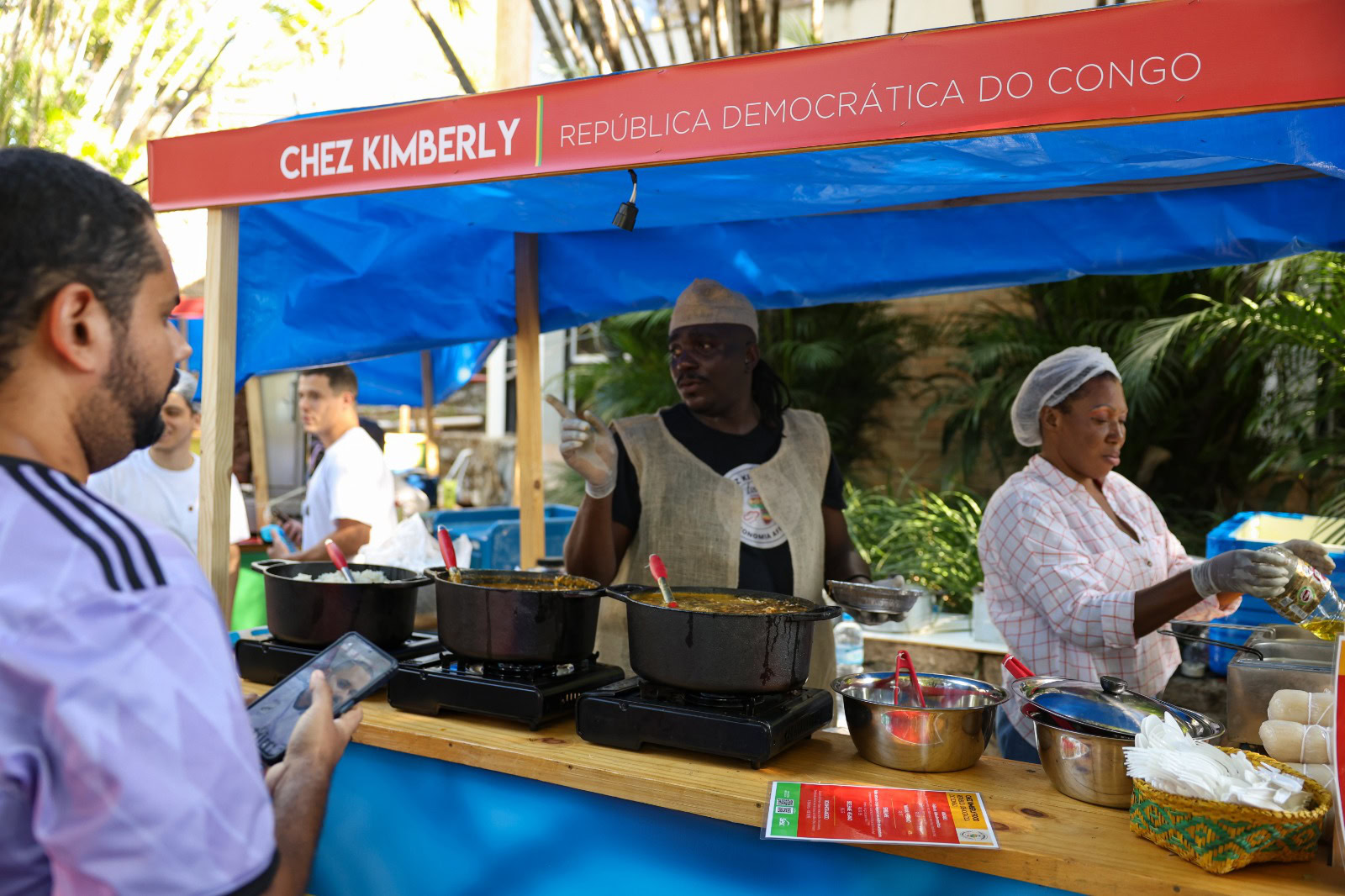
The inclusion of immigrants in the formal labor market is evident as more bar and restaurant owners recognize the benefits of this diversity. According to Sebrae data, Brazil is currently home to 74,200 Individual Microentrepreneurs (MEI) of various nationalities, 4% of whom work in the out-of-home food sector.
Refugees from the wars in the Middle East, for example, have found in Brazil a chance to start over through food. Myria Tokmaji's family fled Aleppo, Syria, and arrived in Brazil in 2013. “We soon realized we were facing new challenges: integrating into the job market, learning the language and building new friendships”, Myria recalls.
After a period of struggle, her mother began selling esfihas, starting the small business, Yasmin Comida Árabe. “Food played a crucial role in our journey of adaptation and starting over”, Myria says. The venture established itself by offering dishes such as esfihas, falafel balls and kibbeh, and thus became a cultural link between Syrian tradition and the local community.
Billal Azizi's story is similar to Myria's. He arrived in Brazil last year, after fleeing Afghanistan. In Belo Horizonte, the entrepreneur began selling Afghan food by delivery. “The primary motivation behind opening a new business was not only to provide for my family, but also to preserve my identity and build a new story on Brazilian soil”, Billal shares.
The president of Abrasel's Board of Directors, Rosane Oliveira, highlights the role of the out-of-home food sector as a catalyst for diversity and inclusion. “By opening the doors to entrepreneurs from diverse backgrounds, the sector enriches its culinary offering, in addition to promoting a culture of inclusion and acceptance”, Rosane says.