Inventory inflows and outflows: control tips

Controlling inventory inflows and outflows at a restaurant or bar can be a big challenge.
That's because a good share of the supplies are perishable and consumption tends to be fast. To keep inventory always well stocked, you need well-organized processes, the right tools, and a team trained to record everything correctly.
But all the effort pays off. After all, good inventory management ensures supplies are available, reduces waste and losses, makes the operation faster, and increases the restaurant's profitability.
Want to know how to perfect this process and keep your inventory up to date? Then check out the 11 valuable tips we present below!
Leia também: Why use an inventory control system for restaurants?
Download for free: inventory control spreadsheet for inflows and outflows
Before we get to the tips, download the free spreadsheet for controle de estoque to record inflows and outflows.
11 tips for controlling inventory inflows and outflows
The secret to controlling inventory inflows and outflows is organization: from the physical space, through the information about supplies, all the way to defining and executing processes. Check out the tips below to get your house in order and keep your inventory up to date!
1. Create recipe cards for products
A recipe card for a product is a document that gathers information about each of the items available on your menu. It must list all the ingredients and quantities needed to produce each dish or drink.
Creating recipe cards and understanding recipe yields is crucial for controlling inflows and outflows accurately.
If you don't know exactly how many grams of tomato sauce go into a plate of spaghetti, you won't be able to calculate the total needed to fill orders, nor will you be able to record outflows correctly.
2. Separate the different types of inventory
At restaurants and bars, it's recommended to separate the different types of inventory to avoid confusion and make control easier. Keep a general inventory, where all incoming supplies are stored, and a separate inventory for the kitchen or bar.
Transfer from the general inventory to the kitchen inventory only the items needed for production in a given period (a day or a week, for example).
This way it's easier to control outflow records, and there's no risk of staff taking extra products out of inventory during their shift and forgetting to write it down.
3. Organize the supplies in your inventory
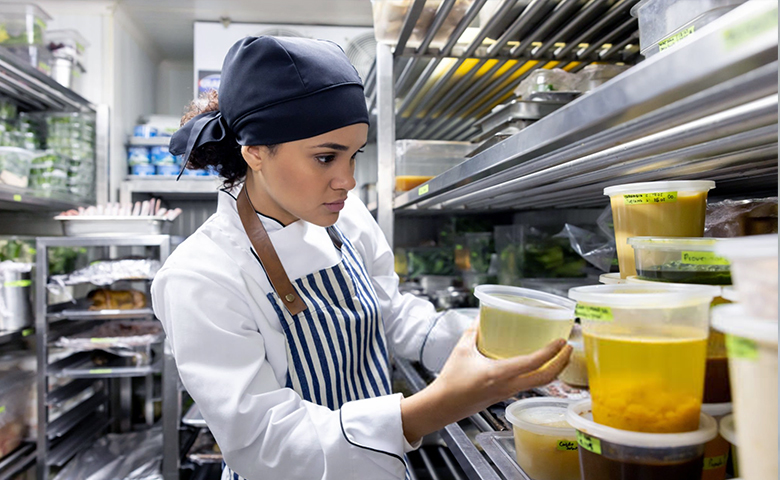
Organizing the physical storage space also helps with controlling inflows and outflows. Set a fixed spot for each supply and add labels marking them to make movements easier.
With everything in its place, it's much easier to find each supply when it's time to restock or count inventory.
Another essential precaution in organizing inventory relates to the expiration date. A good practice is to always note the expiration date when products arrive and to adopt the FIFO methodology (First In, First Out) to make sure the oldest items are used first.
4. Implement a coding system
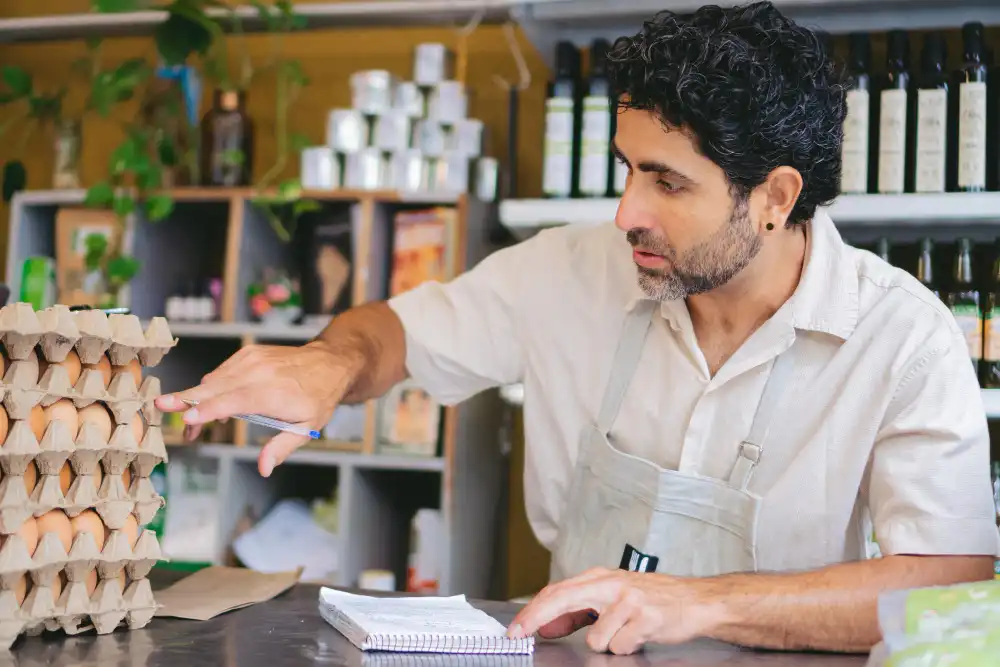
Use a barcode or product code system. Assigning a code to each item standardizes the data, makes recording easier, and lets you track supplies.
To do this, create a list or Stocktaking of every item in your inventory in an Excel spreadsheet, or register them in your management system.
All of this helps prevent errors in inflow and outflow records and ensures that, at the end of the day, your inventory adds up exactly.
5. Establish the units
One point to watch is the units of measure used to record inflows and outflows. In your supplies list, make clear what the reference unit is for each supply. For example: 1 unit of tomato = 1 Kg.
This is basic information for inventory control. Without standardized units, it's impossible to be clear about how much of a supply went out and how much is available, which ends up leading to losses and waste.
6. Calculate minimum and maximum inventory
Minimum and maximum inventory are reference values that support purchasing management. They're directly tied to inflow and outflow records, which is why you need to identify the ideal values for your restaurant or bar.
When a given supply hits the minimum inventory level, the alert to buy more goes off. If it hits the maximum inventory level, you need to think of strategies to increase consumption and outflows.
Learn more: What are minimum and maximum inventory levels?
7. Define what counts as inventory inflows
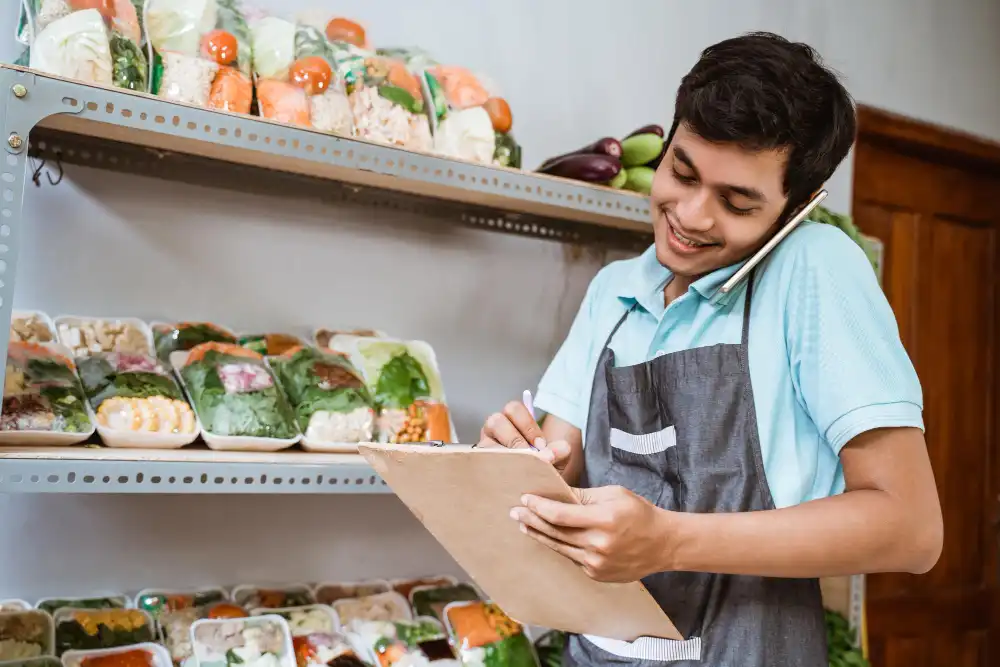
So nothing slips by unnoticed, it's important to be very clear about what an inventory inflow is. That's why you should make a list of everything that must be recorded as an inflow. For example:
- Supplier deliveries: This is the bulk of your inventory; it can include food, drinks, and other supplies.
- Direct purchases: In some cases, direct purchases from local suppliers or wholesalers can also happen, for example. These inflows must be recorded too.
- Donations: You may also receive free samples from suppliers or donations from other organizations and individuals. These items must also appear in your inventory control.
8. Define what counts as inventory outflows
In the same way, you need to be clear about what inventory outflows are so that everything taken out gets properly recorded. Examples include:
- Recipe ingredients: Everything used to prepare dishes and drinks must have an outflow record in inventory, with attention to the reference units.
- Products sold: Everything sold to customers must appear as an inventory outflow. If you sell a canned soda, for example, you have to record it.
- Losses and waste: Although the goal is always to reduce them as much as possible, losses and waste not natural at restaurants and bars. This can happen due to expired ingredients, returned dishes, or preparation mistakes.
9. Standardize the recording processes
After identifying and organizing everything, build a well-defined process for recording inflows and outflows. This is essential for them to be done correctly.
What procedures should be followed when a new supplier delivery arrives? What information should be written down, and where?
Map out all the actions and information and standardize the process. This will make team training easier, as well as the execution of the activities, ensuring a more reliable record of every inflow and outflow in your restaurant or bar's inventory.
10. Train your team
Having well-trained staff is one of the most important points for good inventory control. With the processes well established, pass on to your team what needs to be done.
Prepare a training session to raise awareness about the importance of recording inventory correctly. Explain how to use the tools (spreadsheets, systems, code scanners, etc.) and how the information should be written down.
11. Use an automated inventory management system
Finally, it's worth investing in an inventory control system for restaurants and bars.
O EPOC, for example, is a fast, easy-to-use POS that's integrated with a complete administrative back office. With it you can create recipe cards, register products, automate inventory records, track movements in real time, and run analyses very easily.
It's the most reliable, secure, and modern way to control inventory inflows and outflows.
If you want to know how we can help your restaurant, talk to our specialists!