
Guide to a Profitable Restaurant
How to measure your team's performance and develop strategies to increase sales and boost your profits.

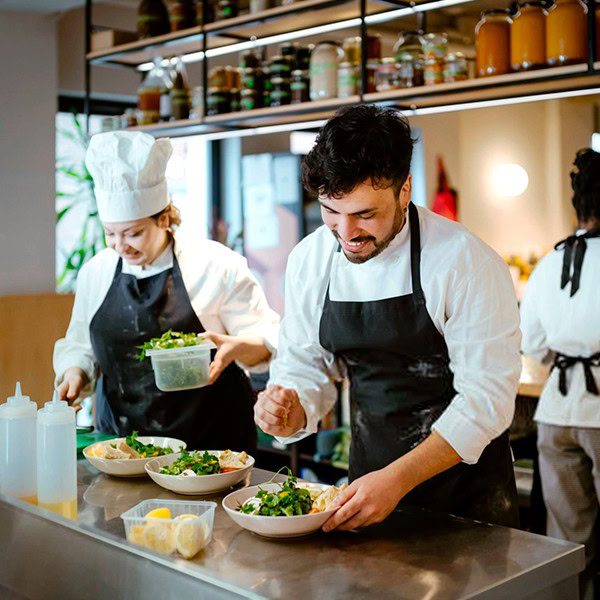
Opening a restaurant is the dream of many people passionate about food and hospitality. Serving good food and welcoming customers in a cozy setting is a very attractive business, and many entrepreneurs bet on it because they believe they can make money doing what they love.
It's true that food service businesses can be highly profitable, but they are also extremely complex. To achieve good results and survive in this market, effective management is essential — and that alone is a major challenge, especially for those who aren't well prepared.
That's why we've put together this complete guide to help those who are just starting out or looking for ways to improve their results. In it, you'll learn how to develop strategies to increase sales, analyze the financial health of your cash flow, and track your restaurant's performance.
Enjoy!
The restaurant market in Brazil
To manage a restaurant well, you first need to understand the market context. This means knowing the main challenges, identifying opportunities, and keeping up with trends in the economy, technology, and consumer behavior.
Below, we've gathered some recent studies that show the potential of the restaurant market in Brazil. Check it out!
Food Service market projections
- A study conducted by the Instituto Foodservice Brasil (IFB) estimates that the country has approximately 1,6 million active establishments in the food service sector, which includes restaurants, snack bars, bars, and other food establishments.
- Brazil is among the five largest foodservice markets in the world and has a projected average growth rate of 7% per year through 2028, according to a study conducted by Redirection International, a company specialized in Mergers and Acquisitions (M&A) advisory. This performance projects growth above the historical average recorded between 2014 and 2023, which stood at around 6% per year.
- According to another report, published by Mordor Intelligence, the foodservice market in Brazil is estimated at 17,35 billion dollars in 2024, with a projected growth to 24,03 billion dollars by 2029, resulting in a compound annual growth rate (CAGR) of 6,73% during this period.
How much Brazilians spend on food away from home
- Nearly half of Brazilians (48%) visit bars and restaurants at least once a week, according to revealed the On Premise User Survey (Opus) by NielsenIQ, a company dedicated to research on consumer habits and trends.
- In the first half of 2024, away-from-home consumption by Brazilians grew 13,2% compared to the same period the previous year. As a result, it generated more consumption occasions, with 23,3% more opportunities compared to the first half of 2023, according to a survey by Kantar.
- A study by the Instituto Foodservice Brasil (IFB) shows that, in the second quarter of 2024, consumers spent a total of R$ 61,4 billion on foodservice, marking a 3% increase compared to the same period the previous year. This is the highest figure ever recorded.
O visit traffic totaled 3,1 billion, a slight drop of 1% compared to the previous year. However, the average ticket rose 4%, reaching R$ 19,74, which indicates that, despite a lower number of visits, consumers are spending more on each outing.
The average cost of restaurant meals
- A survey by Ticket, conducted across more than 4.500 restaurants throughout Brazil, reveals that choosing an à la carte meal can cost up to 158% more than opting for a set meal.
According to the study, a full meal at an à la carte restaurant, including a main course, drink, dessert, and coffee, costs an average of R$ 96,44.
The set meal has an average price of R$ 37,44, self-service costs an average of R$ 47,87, while the executive set meal has an average price of R$ 55,63.
revenue
- 74% of establishments increased revenue in 2023, according to the study “Food Today Survey: the view of foodservice operators”, conducted through a partnership between the Associação Nacional de Restaurantes (ANR), Galunion, and the Associação Brasileira da Indústria de Alimentos (Abia).
- Delivery is used by 95% of food franchise chains and accounts for 31% of these restaurants' revenue, according to the 13th edition of the 2024 Annual Foodservice Industry Survey, conducted by the Associação Brasileira de Franchising (ABF) in partnership with Galunion.
How to analyze your restaurant's financial health
The bar and restaurant industry has enormous potential, but it is also highly competitive and faces many challenges: inflation, high taxation, high staff turnover, seasonality, among others.
That's why many businesses end up closing their doors within a few years, most due to management problems.Data from Associação Brasileira de Bares e Restaurantes (Abrasel) indicate that for every 100 establishments opened in this sector, 35 close within two years. The average lifespan (longevity) of establishments is 3,4 years.
So, to keep your business running and ensure it doesn't just survive but thrives, it's essential to closely monitor its financial health.
To do this, you should establish a routine for analyzing performance indicators. The frequency can be quarterly, monthly, biweekly, or weekly — it depends on your restaurant's characteristics and goals.
But of course, with greater frequency, you can identify problems faster and take action to prevent them from getting bigger. So, especially if you're just starting out and don't have much experience yet, it's worth doing weekly or biweekly analyses.
This analysis involves checking a series of metrics and KPIs based on the data available in your restaurant's system. Therefore, having a platform that collects data accurately and generates reliable reports is essential.
KPIs for restaurants: understanding performance indicators
KPI stands for “Key Performance Indicators.” KPIs are measurable values that show how well your business is performing relative to its goals. These metrics are essential for monitoring and evaluating results across different areas of the restaurant, such as sales, marketing, costs, operational efficiency, and customer satisfaction, for example.
KPI analysis provides a quantitative view of your business's progress. In other words, your management is based on data, not just guesswork. By tracking your indicators, you'll be able to discover strengths and opportunities, identify areas that need improvement, anticipate risks, and prepare to face challenges.
In restaurant management, there are several KPIs that should be part of your financial health analysis. Learn about the main ones below!
Profit margin: the most important indicator
One of the biggest mistakes in restaurant management is believing that the secret to success is attracting customers, keeping the place always full, and selling a lot.
Of course, all of that matters, but if you don't have a good profit margin, it may not be enough. That's why this is one of the most important indicators for assessing a business's financial health.
Profit is the money left over after paying for everything needed to keep the restaurant running — such as supplies, labor, card and delivery platform fees, marketing, rent and bills, taxes, and so on.
Profit margin, in turn, is an indicator that represents the percentage of sales that turned into profit. It's calculated from two variables: costs and revenue. In other words: how much you spent and how much you earned from selling your products.
Calculating net profit margin (NPM)

Considering that the restaurant had total revenue of R$ 200.000 and, after deducting all costs and expenses, including taxes and interest, obtained a net profit of R$ 60.000, the NPM would be calculated as:

This means that, after paying all expenses, the company has a net profit of R$ 0,30 for every real of revenue generated.
So, the higher the profit margin, the better. This means you'll have more cash flow to invest in your business and handle unexpected situations.
In general, a net profit margin considered healthy for restaurants is between 10% and 20%. Mas isso pode variar bastante de acordo com o modelo de negócio, região em que está localizado, público-alvo, entre outros aspectos.
It's very common to see restaurants operating with tight margins, between 3% and 5%.
This is a characteristic of the industry, and that's why management needs to be strategic in order to reduce costs, get pricing right, and increase profit margin. To do this, it's necessary to track and optimize several indicators, as we'll see below.
Key performance indicators for restaurants
Fixed costs
Fixed costs at a restaurant are regular expenses that don't vary with sales or production volume. For example: rent, internet, phone, and electricity bills, etc., fixed salaries, marketing budget, software, cleaning services, accounting, equipment maintenance, among others.
This indicator is essential for understanding the minimum revenue needed to cover these costs, preventing the restaurant from operating at a loss. To calculate fixed costs, simply add up all monthly fixed expenses.
Variable costs
Variable costs are those that change according to production and sales volume, such as ingredients, packaging, sales commissions, taxes, card machine and delivery fees, among others.
Monitoring variable costs is important for adjusting prices and evaluating the restaurant's operational efficiency. To calculate this indicator, add up all the variable costs for the month (or the analysis period).
Overhead rate
The overhead rate shows how much it costs to keep the restaurant open during a given period of time — such as a month, for example. The value is expressed in R$ / hour. To calculate it, use the following formula:
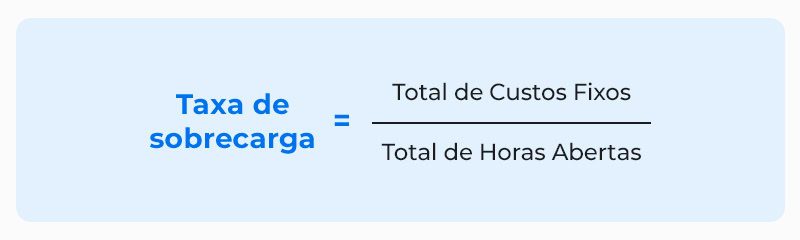
Example: If your monthly fixed costs are R$ 8.000 and, in a given month, your restaurant was open for 240 hours, your overhead rate will be R$33,33 per hour.
Labor cost
Labor cost covers all expenses related to staff, including salaries, benefits, and payroll charges. This is one of the biggest costs for a restaurant, and managing it efficiently is essential for the business's financial health.
To calculate labor cost, simply add up all costs related to the restaurant's employees, such as salaries, bonuses, overtime, payroll taxes, among others.
revenue
O revenue is the total revenue generated by sales in a given period, without deducting anything. This indicator is essential for monitoring the restaurant's financial performance.
The calculation is simple: just find the value of all gross sales made during a specific period (day, week, month), using the following formula:

For example, if you sold 30 dishes at R$ 20 reais each in one day:

To do this calculation, it's essential to correctly record all sales made. That's why using an efficient POS system is the best way to track your revenue accurately and reliably.
contribution margin
A contribution margin is an indicator that represents the difference between total revenue and the variable costs associated with the sale of products and services.
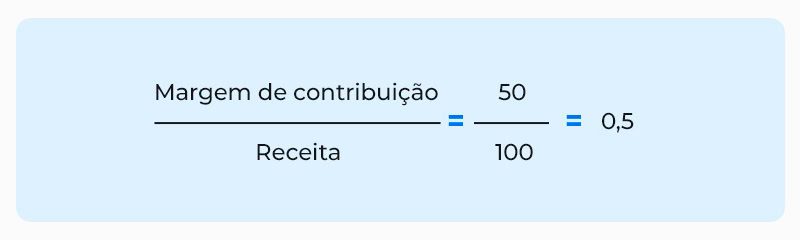
It helps you understand how much of your revenue contributes to paying the company's fixed costs. From there, you can find out whether the business is truly able to generate profit and calculate the break-even point, which we'll look at next. The formula is as follows:

Let's consider unit values to simplify the example. If you spend R$ 50 to produce a dish and sell it for R$ 100, then:

Next, you should calculate how much the contribution margin represents of revenue. Just do the division:
Break-Even Point
O Break-Even Point indicates the minimum sales value needed to cover all costs, that is, the point at which the restaurant has neither profit nor loss.
This KPI is essential for understanding when the restaurant starts generating profit and for planning growth strategies.
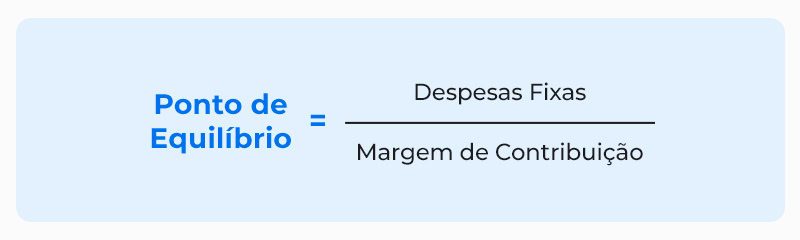
Assuming fixed expenses are R$ 8.000 and the contribution margin is 0,5, we would have:

This means you need to sell R$ 16.000 or 160 units of this product to reach the break-even point.
COGS – Cost of Goods Sold
O COGS, or Cost of Goods Sold, is one of the most important indicators for a restaurant. It shows the relationship between the cost of purchasing ingredients and how much is charged for the final product.
This way, it lets you understand how much of your revenue is spent on purchasing ingredients and gives you better cost control, ensuring your restaurant's profitability.
To calculate COGS, use the following formula:
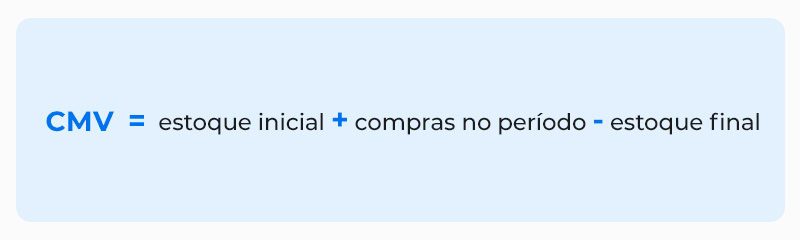
Next, calculate the percentage using the formula:

As a reference, the ideal COGS percentage for a restaurant ranges between 28% and 35%.
Gross Profit
Gross profit represents the restaurant's revenue after deducting COGS. This indicator is important for assessing financial health before operating expenses.
To calculate it, simply subtract COGS from revenue

Net Profit
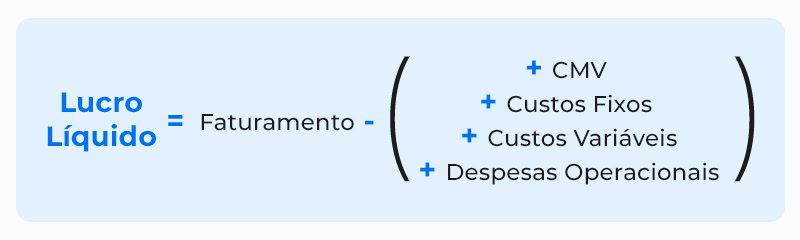
Net profit is the final amount obtained after deducting all of the restaurant's costs and expenses, representing the true profit of the operation.
This KPI is important for assessing the restaurant's viability and profitability. The formula is:
Prime Cost
Prime cost is the sum of labor costs and COGS, representing the most impactful expenses in the budget.
This KPI is useful for identifying the need for adjustments in prices or restaurant operations. To calculate it, add labor cost to COGS.

Annual growth
This metric is important because it shows how your restaurant is doing financially compared to the previous year.
Although monthly metrics can vary due to seasonal factors, annual growth offers a clear view of the business's progress. It is therefore a strategic indicator for assessing its sustainability.
The formula to calculate it is:

Table turnover
The table turnover rate indicates how frequently tables are occupied and vacated. In other words, it shows how many groups can be served at the restaurant in a given period. The greater the number of groups served, the higher your revenue will be.
Therefore, this KPI helps assess the restaurant's service capacity and revenue. To calculate it:

RevPASH
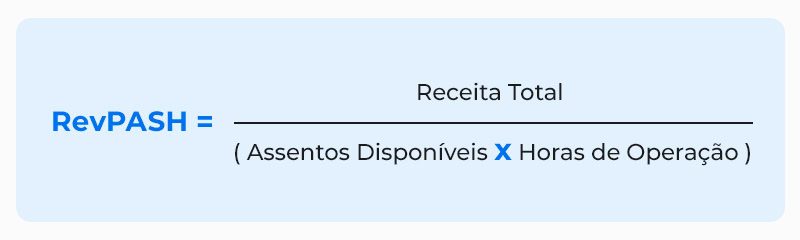
RevPASH stands for “Revenue Per Available Seat Hour.”
As the name suggests, this indicator measures the revenue generated per available seat during each hour of operation. It's very useful for optimizing table turnover and planning the purchase of supplies and the labor needed. To calculate it, use the formula:
average ticket
O average ticket indicates the average amount spent per customer on a single visit to the restaurant. This indicator is essential for evaluating sales efficiency and revenue growth potential — after all, the higher the average ticket, the higher the revenue.
To calculate it, divide revenue by the number of customers.

Customer Lifetime Value (CLV)
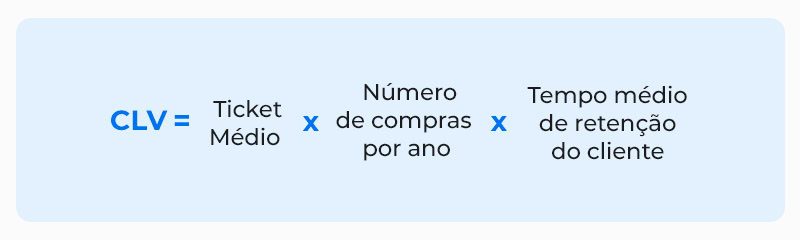
Customer Lifetime Value (CLV) is a calculation that shows the average financial return generated by a customer over time. This indicator helps guide marketing investments and develop loyalty strategies. The formula is:
Customer Acquisition Cost (CAC)
Customer Acquisition Cost (CAC) is an indicator that shows how much a restaurant spends, on average, to win a new customer. This cost includes expenses with marketing, promotions, advertising, and other customer acquisition strategies.
CAC allows you to assess the efficiency of marketing campaigns and understand whether the investment is generating a positive return. If the cost of acquiring new customers is too high relative to the value they bring, this may indicate the need to review marketing strategies and optimize costs.
To calculate it, divide the total invested in marketing by the number of new customers acquired during the period.

Retention Rate
The retention rate shows the percentage of customers who return to the restaurant, indicating consumer loyalty and satisfaction. A high retention rate represents a good relationship with customers and helps reduce CAC, since you don't need to invest as much in acquiring new customers. The formula for calculating it is:
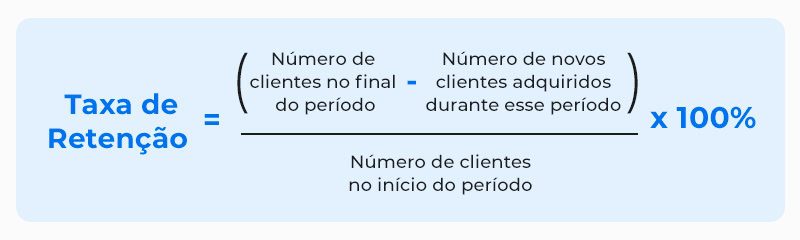
By monitoring and analyzing these KPIs, you'll have a complete view of your restaurant's performance. They show results across different areas of the business: operational efficiency and costs, sales results and profitability, customer acquisition and loyalty, among others.
All of this, together, allows you to assess the business's financial health and develop strategies for improvement and growth. Next, find out what to do to increase your sales and profitability.
Strategies to increase your sales
Even if you're getting a lot of customers, selling well, covering your costs, and turning a profit, it's worth knowing and implementing strategies to increase sales.
After all, every restaurant goes through ups and downs. Seasonality, the economy, competition, and other factors can influence your sales, and you need to be prepared for these moments.
And if you already have a loyal customer base and can maintain a good flow of customers, you can take the opportunity to optimize your results and boost your business's growth.
Check out the best sales strategies to adopt in your restaurant below!
Train your team for upselling
Upselling is a very effective strategy for increasing the average ticket at restaurants. It involves offering customers additional items or pricier, more profitable options. A very common example is drinks, desserts, and larger portions.
But it's important to be careful not to annoy customers and end up hurting their experience. That's why your waiters need to be well trained so the suggestion comes across as subtle. Some techniques that can be used in upselling are:
- Suggest related options: For example: “We have a wine that pairs perfectly with the dish you chose. Would you like to try it?”
- Promote higher-margin items: When a customer asks the waiter for a recommendation, they should respond with the options that have the highest profit margin.
- Observation and active listening: Effective upselling depends on a clear understanding of customers' preferences and needs. The waiter should stay alert and seize the opportunity, such as offering a special dessert during a birthday celebration.
Increase your turnover rate
Table turnover rate is a key factor in increasing sales at a restaurant.
The faster you seat and serve your customers, the shorter the table occupancy time will be. Assim, você mantém um fluxo constante de clientes e aumenta as vendas.
So, make sure processes in the kitchen and dining room are efficient, from seating guests to closing the check, without compromising service quality. This can include pre-set tables, simplified menus, the use of mobile POS, and fast payment methods.
Host events
Hosting events at your restaurant, such as happy hours, live music shows, and tastings, is a great way to attract more customers and increase sales.
This strategy is widely used to liven up the days that tend to be quieter, such as Wednesday or Thursday. This way, you distribute your revenue more evenly throughout the week.
It's likely that, because of the event, customers will stay longer, which can reduce table turnover. On the other hand, consumption tends to be higher. Offering special promotions can be a way to encourage
Do menu engineering
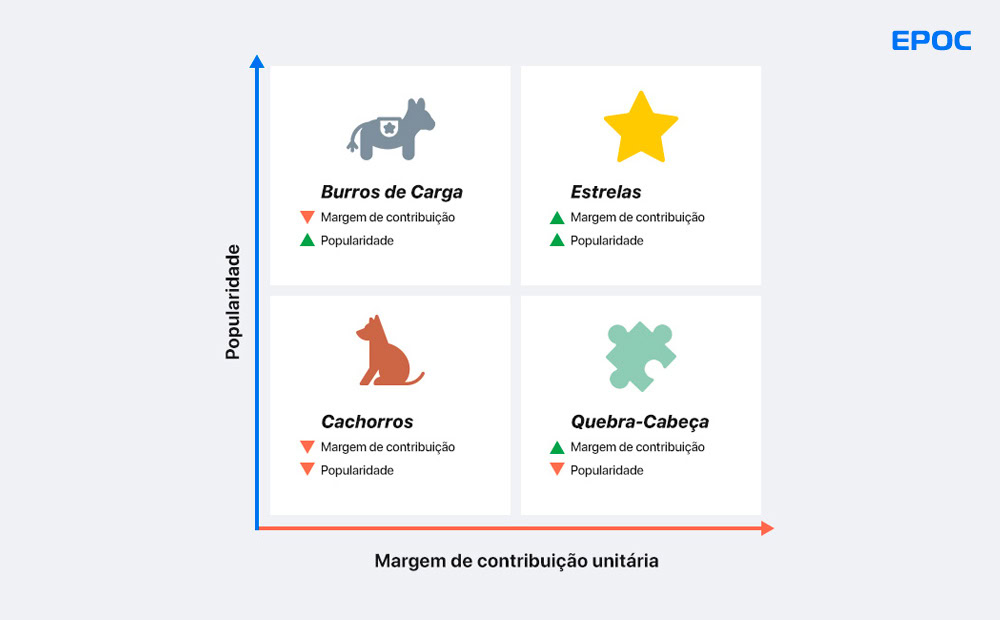
A menu engineering is one of the most effective ways to increase your restaurant's sales and profitability.
With it, you can identify which dishes are the most popular and profitable, optimize your offerings, and create a strategic menu, highlighting what's most advantageous for your business and influencing customers' choices.
Offer delivery and takeout
Diversifying your services and meeting different needs is also a way to attract more customers. The Delivery e takeout are on the rise and can help boost your sales.
In addition, platforms like iFood work as a showcase, helping more people discover your restaurant.
Create a kids' menu and set up a kids' area
Prepare your restaurant to welcome children well. Offer a kids menu, have a kids area and restrooms with diaper-changing stations. This can be a major differentiator for attracting more families and building customer loyalty.
Seek partnerships with companies
Partner with companies, offering fixed discounts for employees and special conditions for corporate lunches and dinners, for example.
This tip is great for restaurants located in shopping centers with lots of companies nearby, but it can also work well for upscale restaurants that host executives.
Invest in marketing
A good marketing strategy is essential for attracting customers, creating promotions, and selling more. So put together a plan and invest in actions to promote your restaurant and strengthen your brand.
Have a strong digital presence, with a website, social media profiles (Instagram, TikTok, Facebook), and a Google My Business listing. Post content frequently and run ads to expand your reach and win new customers.
It's also worth partnering with local influencers, so they can showcase the experience at your restaurant and attract a qualified audience.
Bet on the unexpected
A strategy that can work really well to attract customers to restaurants is creating unusual dishes or experiences that generate a lot of word-of-mouth marketing and can go viral on social media.
Huge portions, dishes flambéed right at the table, and extravagant drinks, for example, can surprise and delight customers.
Have a loyalty program
Attracting customers to your restaurant is the first step in the sales process, but you also need to make sure they come back. One of the best ways to increase customer retention and boost recurring sales is to create a loyalty program.
These offer exclusive benefits to loyal customers. Some common strategies include rewards for number of visits, point accumulation, cashback, special discounts, and more.
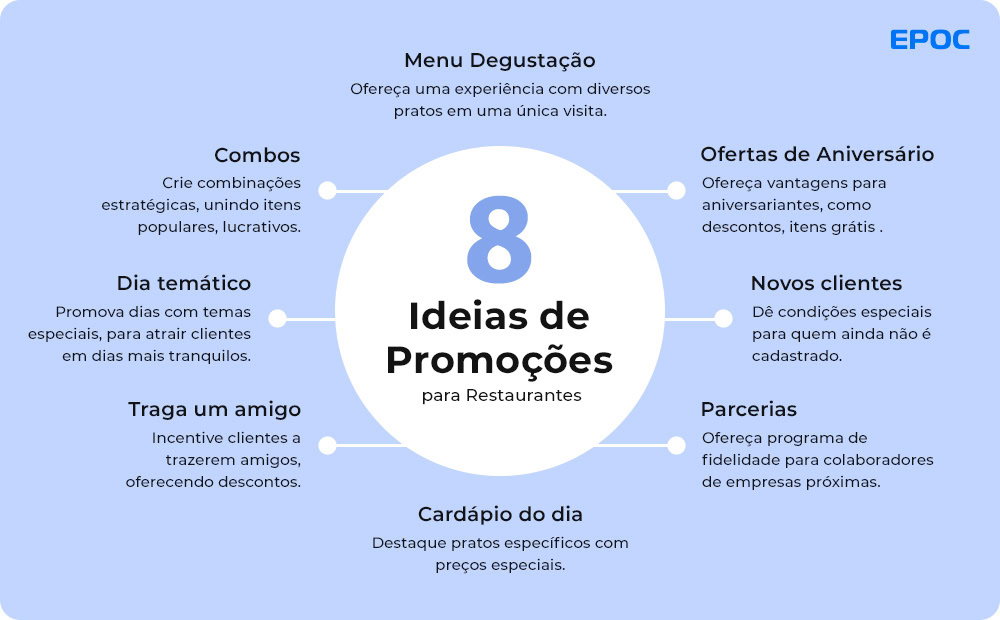
Run promotions
There's nothing better for increasing sales than creating strategic promotions.
Discounts and special offers help create a sense of urgency among customers, encouraging them to visit your establishment. They can also serve as a novelty, offering new experiences and keeping your restaurant appealing to your audience.
For them to be effective, it's important to know your audience profile and consumption preferences. Combining popular items with profitable items in a combo, for example, is a promotion that's attractive to customers and advantageous for your business.
Strategies to increase your profitability
Attracting customers and increasing sales is important, but if your restaurant doesn't control costs and optimize operational efficiency, your profitability will be at risk.
As we saw at the start, restaurants tend to operate on tight margins, which is why every detail makes a difference in the end. Below, check out strategies for achieving good profitability in your business!
Pricing
Pricing is one of the biggest challenges in running a restaurant. And anyone who thinks it's just a matter of calculating costs and desired profit is mistaken.
To arrive at a price that's attractive to customers and advantageous for the business, you need to consider different aspects, including:
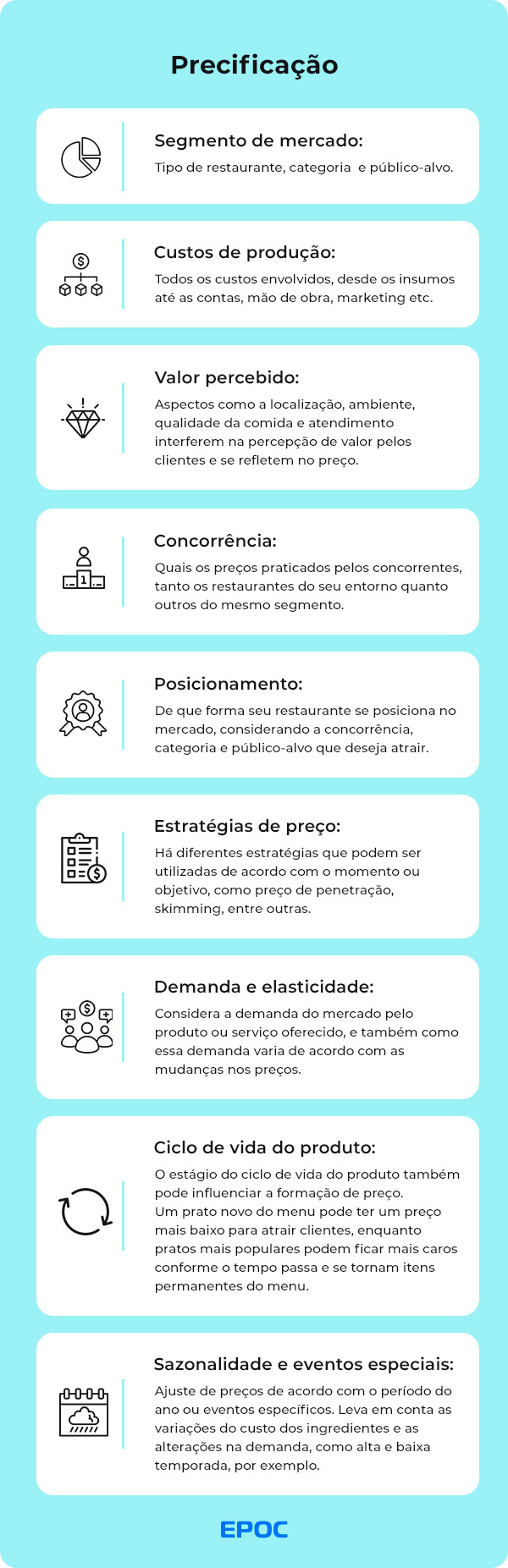
Well-executed pricing ensures that the price charged for each product covers all costs associated with production and operations, while also securing an adequate profit margin.
So knowing how to price your menu correctly is the first step to achieving good profitability.
In general, restaurant managers get pricing wrong because they lack visibility and control over the costs involved in preparing dishes.
To avoid this problem, the ideal approach is to create recipe cost cards, which are very useful tools for understanding how much you spend on each recipe, taking into account the quantity of ingredients, costs, portion yield, taxes, etc.
In addition, it's essential to control your COGS and consider your product mix to build strategic, profitable pricing.
Operational Efficiency
The most profitable restaurants are the ones with the highest operational efficiency. That's because if you're not making the most of your resources, you're wasting money.
The best example of this is inventory control. To acquire the supplies needed to prepare your restaurant's dishes, you invest a large part of your budget.
But if inventory management isn't efficient, you end up throwing a lot of ingredients (and money) in the trash — because they've expired, were stored incorrectly, or were wasted during production.
This is just one example that helps illustrate the importance of efficiency in each of your restaurant's processes: service, kitchen, inventory, sales management, and so on. Here are some tips:
Have well-defined processes
To optimize your restaurant's workflow, you need to map out processes (service, production, inventory, etc.), listing every step and action required to carry them out properly. It's also essential to make it very clear who's responsible for each activity.
Adopt automation technologies
Automating processes is the best way to achieve operational efficiency. There are different technologies that can help speed up service (POS system, digital menu, self-service kiosks), boost kitchen productivity (KDS system), control sales (front-of-house integrated with an ERP), make payments easier (smart card machines), and much more.
Train your team
In the day-to-day rush, many managers put training on the back burner. But that's a big mistake, since the team won't be operating at full potential. There's no point mapping processes and adopting technologies if your team isn't clear on what needs to be done and when. Provide ongoing training, covering guidelines for different activities (customer relations, system operation, sales, food safety, etc.)
Pursue continuous improvement
Operational efficiency doesn't happen overnight. There's always something that can be improved. So make results analysis part of your management routine and identify areas for improvement. For example: if table turnover is low, think about what you can do to improve it. Look at every detail of your restaurant, from the kitchen layout to payment methods.
Customer experience
Another way to increase your restaurant's profitability is by investing in the customer experience. This can be a major differentiator that impacts perceived value and lets you increase your average ticket — and your profits.
Customer experience is the set of perceptions and feelings a consumer has when interacting with a brand, from the first contact through after-sales. In other words, it's how they experience and remember your restaurant.
It involves much more than simply having a good meal at a fair price. When visiting a restaurant, customers are also looking for memorable moments, stories to tell, and that impressive “wow” factor. If you can deliver that, you'll have a competitive edge.
Some tips for improving the customer experience are:
Ambiance, decor, and atmosphere
Ambiance is a restaurant's calling card and directly influences customer perception. Good decor and atmosphere can create a memorable experience, encouraging customers to return and recommend the establishment.
- Choice of colors and lighting: colors and lighting affect customers' mood and perception. Upscale restaurants tend to opt for soft lighting and neutral colors, while more casual spots can go with vibrant colors and brighter lights.
- Comfort and layout: arranging tables and chairs efficiently, yet comfortably, ensures customers feel at ease and have enough space.
- Background music: the music should complement the desired atmosphere, whether relaxing in a fine dining restaurant or more upbeat in a bar.
Service and hospitality
Service is one of the factors that most affects the customer experience. Exceptional service can turn an ordinary meal into an extraordinary experience. Some good practices include:
- Team training: well-trained staff, knowledgeable about the menu and able to handle unexpected situations, are essential. Good service includes courtesy, promptness, and attention to detail.
- Personalization: customers appreciate being treated in a personalized way. Remembering a loyal customer's name or dietary preferences makes a big difference, for example.
- Response time: Speed in greeting and service has a direct impact on customer satisfaction. Delays can negatively affect the experience and the perception of value.
Food quality and presentation
Food is, without a doubt, the star of any restaurant. Ingredient quality and how dishes are presented are part of the dining experience and can impress customers.
- Ingredient selection: prioritizing fresh, high-quality ingredients elevates the flavor and consistency of dishes, so it's essential to choose reliable suppliers. Restaurants that embrace seasonal and local products also score points with conscious consumers.
- Visual presentation: how a dish is presented can influence the perception of value. A careful, creative arrangement of food, paired with well-chosen dishware and cutlery, makes customers feel like they're getting something special.
- Consistency: ensuring that quality and presentation are consistent is essential. The customer experience shouldn't vary from one visit to another.
Convenience and ease
Convenience and ease are highly valued by customers and make all the difference in the experience. Besides efficient service, other factors that can contribute here include:
- Eliminate friction points: friction points are obstacles customers run into along their journey. For example: when they want to ask for a wine refill, but there's no waiter around. Identify these points by looking at everything from the reservation to the payment, and find solutions to eliminate them.
- Self-service: self-service kiosks and ordering apps make life easier for customers, giving them full autonomy to place their own orders without having to wait for waiters.
- Payment methods: offer different payment methods — PIX, credit, debit, digital wallets — so customers can choose whichever is most convenient at the time. Choose a good system that makes splitting the bill easy and processes payment quickly, like smart card machines that accept contactless payments.
Reduce operating costs
Reducing costs is a priority in restaurant management. That's because the higher the expenses, the lower the profits. Analyzing different areas and identifying bottlenecks is an ongoing task, essential for keeping the business financially healthy. Check out the main ones below.
Labor
Labor is one of a restaurant's biggest costs, so you need to think strategically about reducing staffing expenses without compromising service quality. Some tips include:
- Demand forecasting: using historical sales data from your system, you can predict spikes or drops in demand. This can help you adjust the schedule of full-time staff and the hiring of freelancers.
- Self-service: self-service solutions, such as digital menus and self-service kiosks, help reduce headcount and increase operational efficiency.
- Process automation: choose technologies that automate processes so your team can be more productive and you can reduce headcount. An efficient POS system, for example, speeds up order entry and closing out the register. A KDS system, in turn, automatically organizes orders and streamlines production.
Inventory Control
Purchasing supplies for preparing dishes is one of a restaurant's biggest costs. To avoid losses and waste and manage to save on purchases, you need to have efficient inventory control.
Adopting an inventory control system to automate processes is the best choice. With it, you can:
- Register recipe cost cards.
- Standardize recipe production and portions, reducing waste in the kitchen.
- Automate the tracking of supply inflows and outflows.
- Receive minimum and maximum stock alerts.
- Simplify the receiving of goods, with monitoring of orders and invoices.
- Plan purchases in advance.
- Check the ABC curve report.
- Track inventory expiration dates.
With fewer manual tasks, inventory management becomes much more precise and efficient.
This way, you can negotiate with suppliers and consolidate orders to get discounts on larger volumes, lowering costs.
In addition, you can also make purchases based on demand forecasting, reducing excess inventory and losses.
Tax planning
Another way to reduce your restaurant's operating costs is through solid tax planning, lowering the impact of taxes on your budget.
Hire an accountant or consultant specialized in food and beverage taxation. They can point you to the best tax regime for your business and provide guidance for reducing your tax burden.
Optimize results
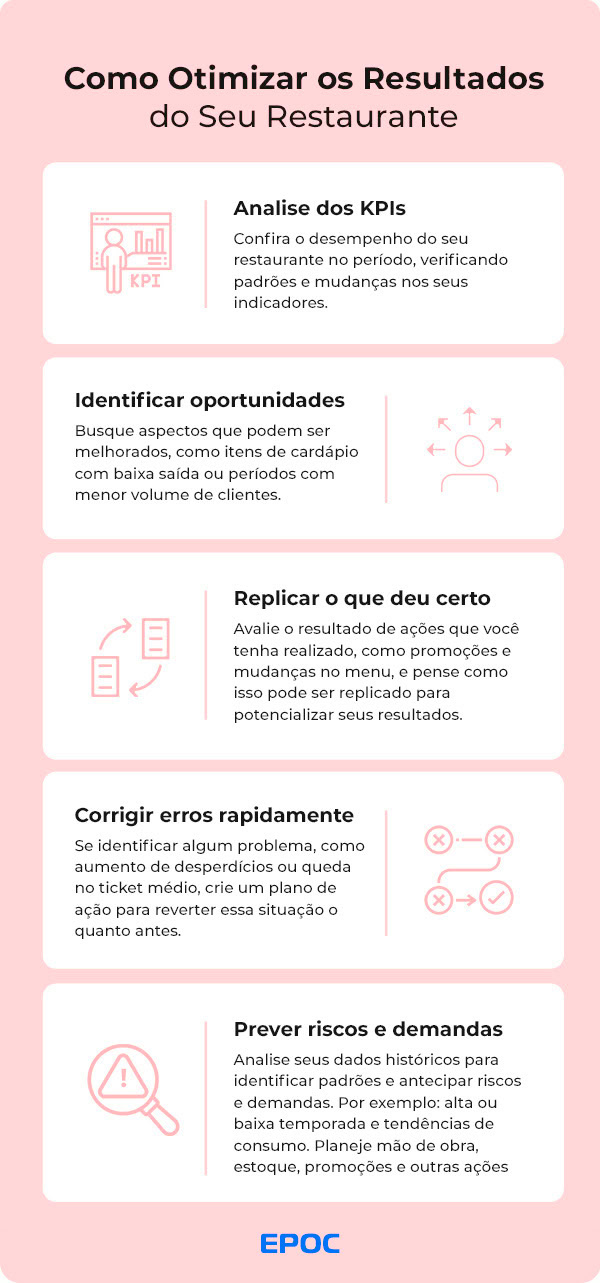
Finally, as we saw at the start, achieving maximum profitability in your restaurant requires a routine for analyzing your results. Your process can include the following steps:
Count on EPOC to increase your profitability
To analyze your performance indicators and map out effective strategies for increasing your sales and profitability, you need reliable data and tools that make analysis and sales easier.
That's why choosing the right management system is decisive for the success of your business.
EPOC is a platform for restaurants with a POS system, multi-location ERP, Analytics, KDS, Digital Menu, Self-Service, Payments, and much more.
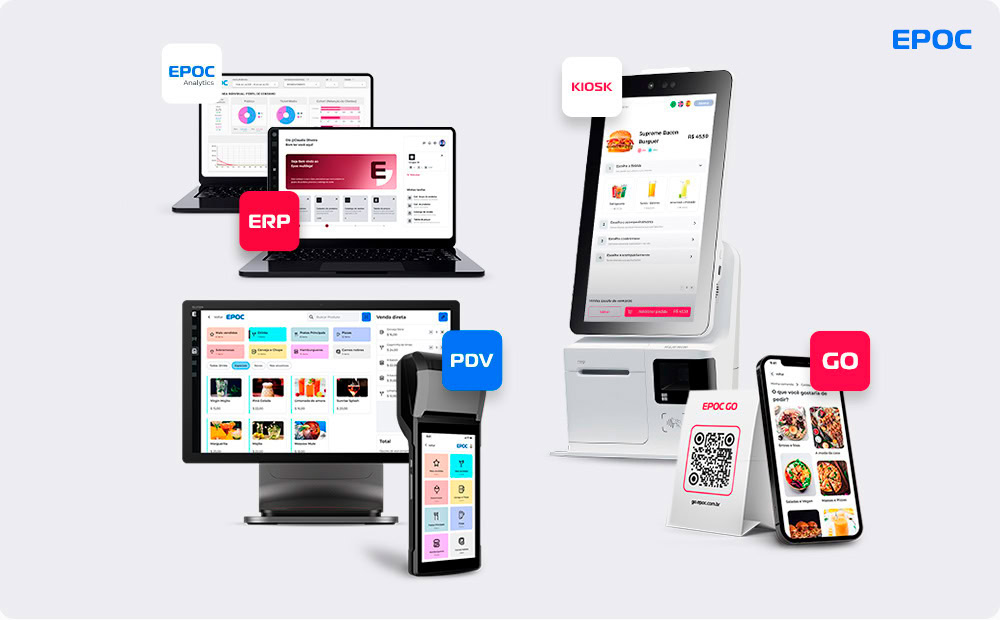
We help restaurants improve customer service, reduce operating costs, and increase profitability through an innovative, customizable, and easy-to-use platform, delivering effective management and accelerated growth.
To find out how we can help your restaurant grow, talk to our consultants and tell us about your challenges!