Certified acquirers
The chain chooses among certified acquirers by rate, without an integration project every time it switches.
Platform · Ecosystem layer
Freedom to negotiate the rate without redoing the integration.

The chain wants negotiating power with the acquirer — and it has the volume for that. But in practice, switching acquirers means switching integrations, and the cost of that stalls the negotiation. Add to that the reconciliation between what the card terminal captured and what the sale recorded, almost always done by hand.
Locked into the integration, the chain accepts the rate it has instead of the one it could negotiate — and at high volume, tenths of a percentage point on the rate add up to real money over a year. Manual reconciliation, in turn, hides discrepancies: no one audits every capture against every sale.

Layer 03
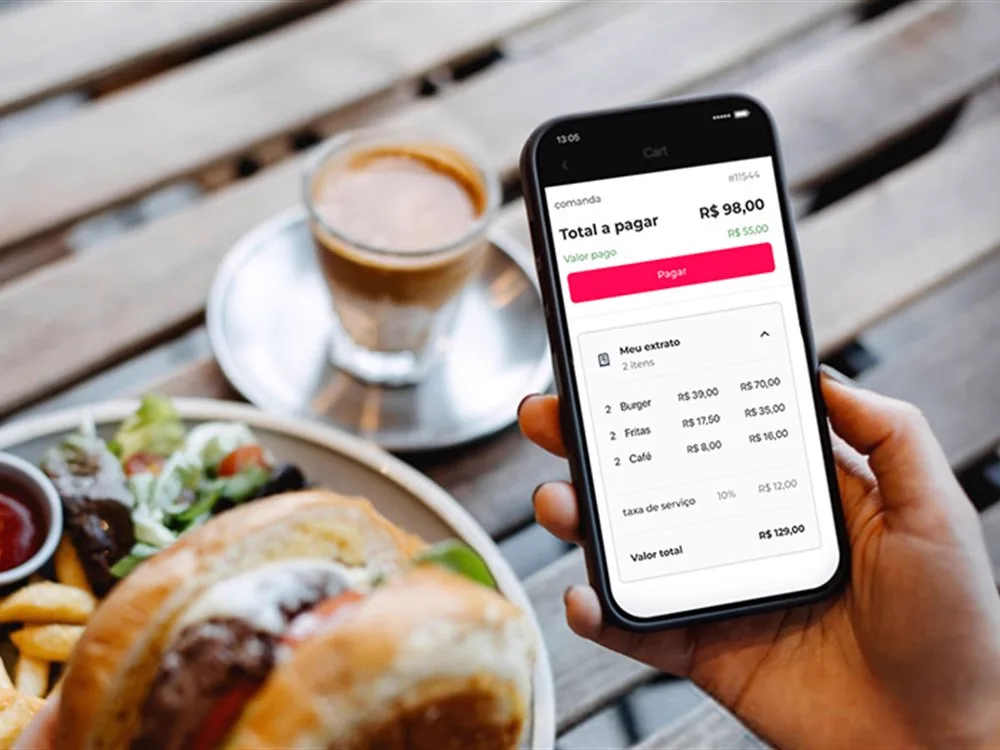
It's the ecosystem layer at the point of payment: the POS captures, the certified acquirer processes, and the sale reconciles — and the record feeds into the Data Lake like any other operational data.
The chain chooses among certified acquirers by rate, without an integration project every time it switches.
A sub-acquiring route for those who prefer that arrangement, also certified.
Each capture is matched to the sale that generated it, which makes any difference visible and auditable.
Capture via Sitef or Direct Pin within the POS flow, not on a separate card machine keyed in all over again.
The check is closed right at the table, which speeds up turnover in the dining room and at peak.
Payment data enters the single repository just like the rest of the operation, for later analysis.
No, when the acquirer is already certified: switching becomes a commercial choice. The list of certified partners is on the integrations and certifications page.
Every payment capture is tied to the sale that generated it. Reconciliation stops being a manual cross-check of reports and becomes verifiable transaction by transaction.
The acquirer processes the transaction directly; the sub-acquirer acts as an intermediary. EPOC certifies both paths — the chain chooses whichever arrangement makes the most sense for its volume and its negotiation.
Talk to a specialist
How many locations, what stack is already running, what needs to be integrated, and what the rollout would look like.