
EPOC GO
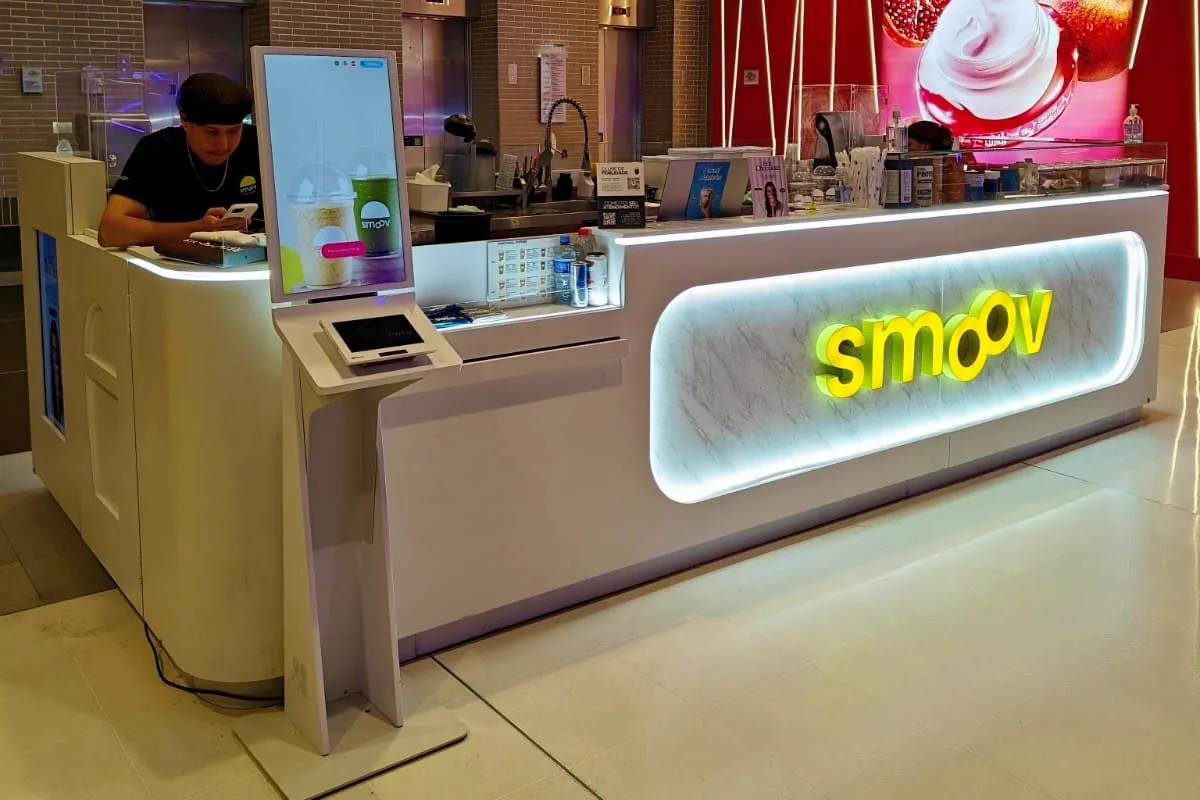
Self-service by QR code and by kiosk, with the same modes: opening a tab or table, selling products, and payment.
Platform
Four products for specific points in the operation — self-service, the entrance, the counter at peak, and the manager's question.
Not every bottleneck in a large operation fits inside the POS. The kiosk queue, ticket validation at the door, the draught-beer server at Friday's peak, and the director's question about the whole chain are four different problems — and the usual answer is buying four systems from four vendors.
Each standalone system brings its own records, its own reports, and its own version of the truth. At month's end the kiosk's number does not match the POS, the ticket validated at the door does not show up in the closing, and the chain starts spending time reconciling systems instead of operating.

Layer 01
They live in the operation layer, next to the POS — except for Sr. Fino, which belongs to the data layer and therefore has a page of its own.
Self-service by QR code and by kiosk, with the same modes: opening a tab or table, selling products, and payment.
A validator for tickets and tabs.
A fast entry station for the draft-beer pourer — built for peak, when every second at the counter counts.
An artificial-intelligence assistant on WhatsApp, over the chain's own data. It has a page of its own, detailing what it answers.
No. Each one solves a specific point and comes in when the operation has that point. What does not change is the base: once in, it writes to the same data as the POS and the ERP.
No. It handles self-service — QR code at the table and kiosk — while the POS continues with assisted service. Both post to the same tab.
It is the only one of the four that does not sit in the operation: it belongs to the data layer, and answers questions about what the others recorded.
Talk to a specialist
How many locations, what stack is already running, what needs to be integrated, and what the rollout would look like.