
Operation assessment
Before any switch, understanding how the chain operates today and what can't stop.
Technology · Operation
Deploying across a chain is a project — and EPOC runs it as one.
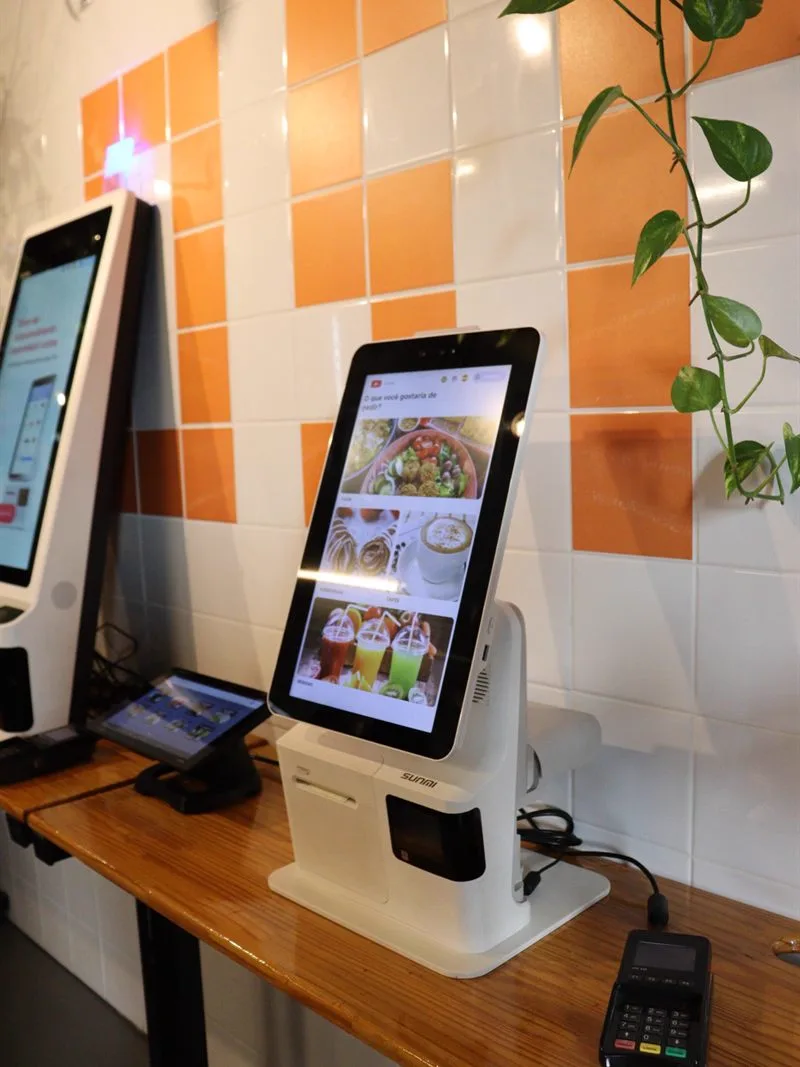
Switching the system of a chain in operation is like changing the engine while the car is moving. Done without method, it stops the location, loses historical data, and creates resistance among staff — and that's where most large projects fail, not in the tool.
Poorly run implementation is the biggest risk in a technology project of this scale: it's usually not the software that fails, it's adoption. A location standing idle, an untrained team, and a botched migration cost far more than the license.
Before any switch, understanding how the chain operates today and what can't stop.
The first location validates the configuration and becomes the model for the rest.
Records, history, and configuration migrate, so the chain doesn't start from zero.
Each role — cashier, server, manager, back office — trains on what's theirs.
Locations come on board in batches, and each wave incorporates what the previous one taught.
The operation is monitored after go-live, when adoption actually takes hold.

That's not the assumption. Phased rollout and a single-location pilot exist for exactly this reason: so the chain can migrate while operating, without a full blackout.
It's migrated. Records, history, and configuration are part of the migration stage, so the operation continues from where it left off.
It depends on the number of locations, the complexity, and the current fleet — which is why the first step is the assessment. The schedule comes from it, not from a generic promise.
Talk to a specialist
How many locations, what stack is already running, what needs to be integrated, and what the rollout would look like.