
Five device classes
SmartPOS, desktop, tablet, mobile, and browser — the same operation, with no parallel version.
Technology · Trust
The software doesn't dictate the hardware — it adapts to what the venue already has.
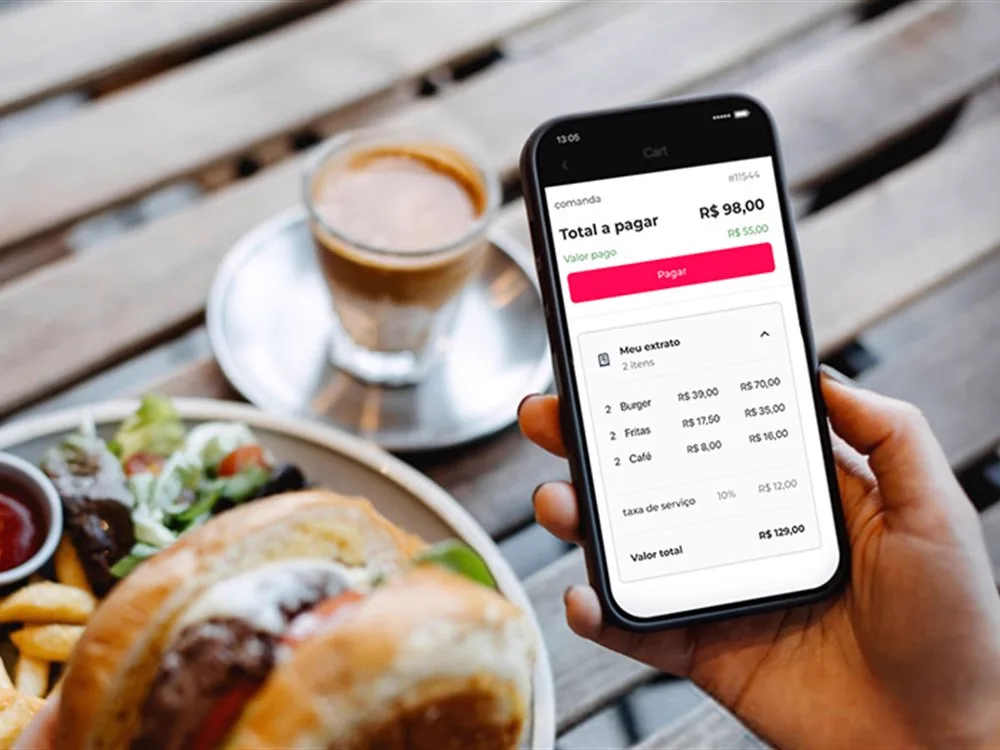
A system that requires specific equipment forces the chain to replace a fleet that still works and to buy from the software vendor. In a large operation, that's tied-up capital and dependency — the hardware decision ends up belonging to the system, not the venue.
Hardware tied to software is unnecessary switching cost and lost buying power at a volume where every unit of equipment counts. And uncertified equipment is tax risk and a support gap.
Layer 01
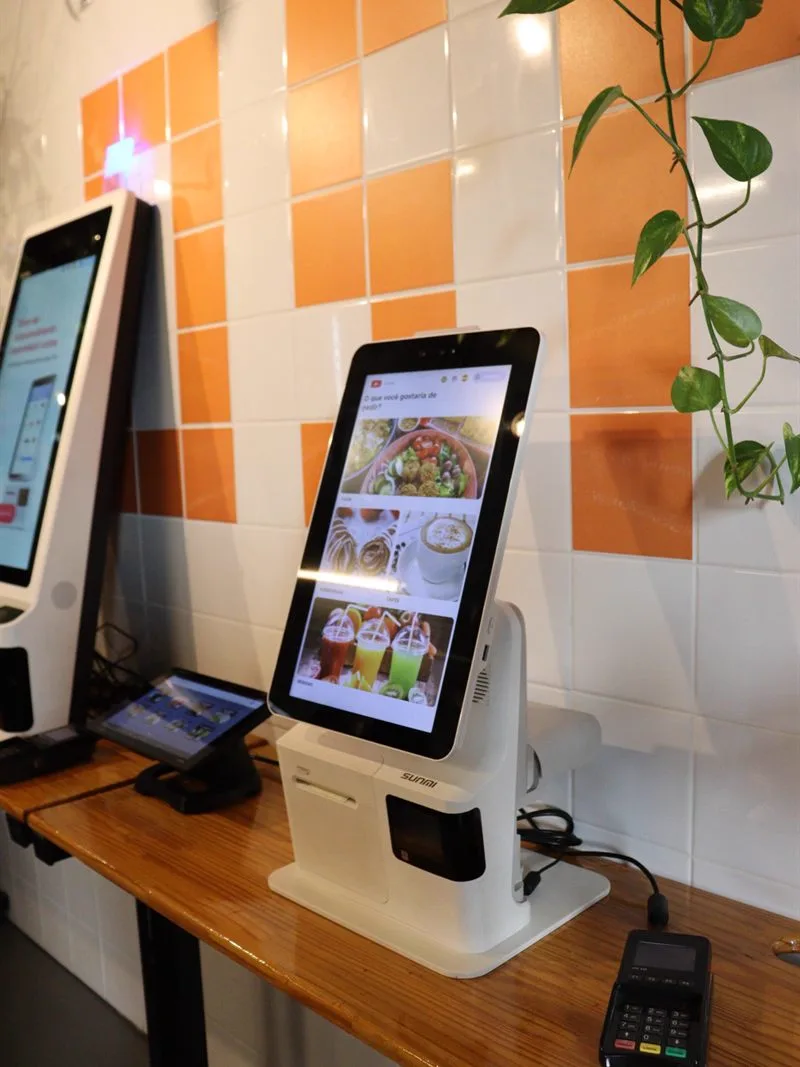
It's the operation layer on the physical plane: the same software runs on the certified equipment out at the edge, and the order flows up from there to the platform and data layers.
SmartPOS, desktop, tablet, mobile, and browser — the same operation, with no parallel version.
The operation runs on certified SmartPOS units, with payment integrated into the order.
Payment capture integrated with the POS, no separate card terminal to key in twice.
The kiosk hardware that supports self-service at the counter.
Certified production printers and kitchen screens for the KDS flow.
What already runs and does the job stays; you replace what the equipment's condition calls for, not the software.
That's not the assumption. The platform runs on certified equipment, and the chain chooses the vendor. What drives the purchase is need and the condition of the fleet, not a requirement from the software.
Most of it tends to work — the platform runs on five device classes. What to keep and what to replace is evaluated during the implementation assessment.
Certified means support and compliance are guaranteed: it doesn't break in an update with nobody responsible, and in payments and tax, that avoids risk.
Talk to a specialist
How many locations, what stack is already running, what needs to be integrated, and what the rollout would look like.