
Order entry by position at the table
The order stays tied to each customer's seat, so the service staff know who ordered what.
For your operation
Impeccable service, margin in plain view.
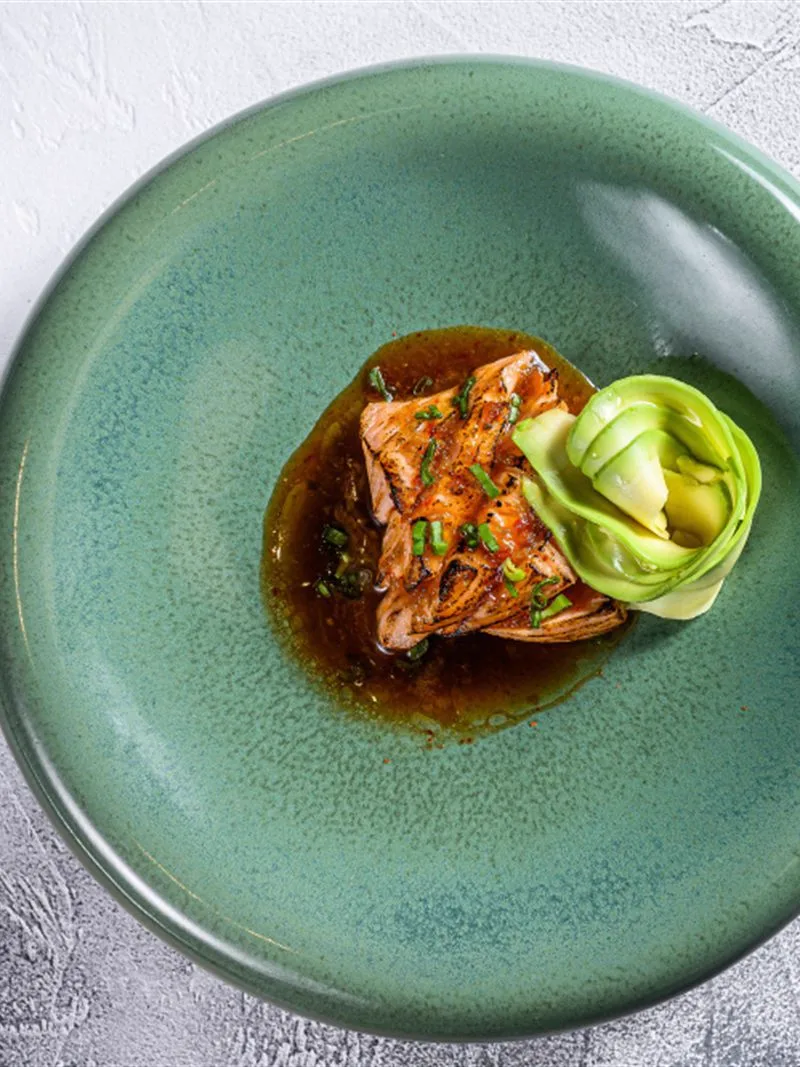
In fine dining, dining-room service is the product — and it's fragile. The sequence of the dishes, the firing to the kitchen, who ordered what at each place at the table: a mistake there, and the customer feels it right away. At the same time, the cost per dish is high and the margin is narrow, and the venue can't choose between looking after service and looking after the numbers.
When the system gets in the way of service, it stops being used — and the operation reverts to the paper tab, which leaves no trace. When service runs while ignoring cost, the owner only discovers the real margin at month-end close, by which point it's too late to act. Most operations end up giving up one side or the other.
Layer 01
It's where the service happens: the order originates at the table, in the right seat position, and goes to the kitchen in the right sequence. The platform layer holds the recipe card, and the data layer returns margin by item and by service.
The order stays tied to each customer's seat, so the service staff know who ordered what.
Starter, main course, and dessert leave the kitchen at the right time, coordinated by the dining room.
Opening, merging, transferring, and splitting without leaving the service flow.
The recipe card gives the cost of each dish, and the margin stays visible without a separate report.
Cover charge and service charge rules applied to the bill according to the venue's policy.
Expensive inputs with consumption tied to the sale, so loss doesn't disappear between the kitchen and the register.
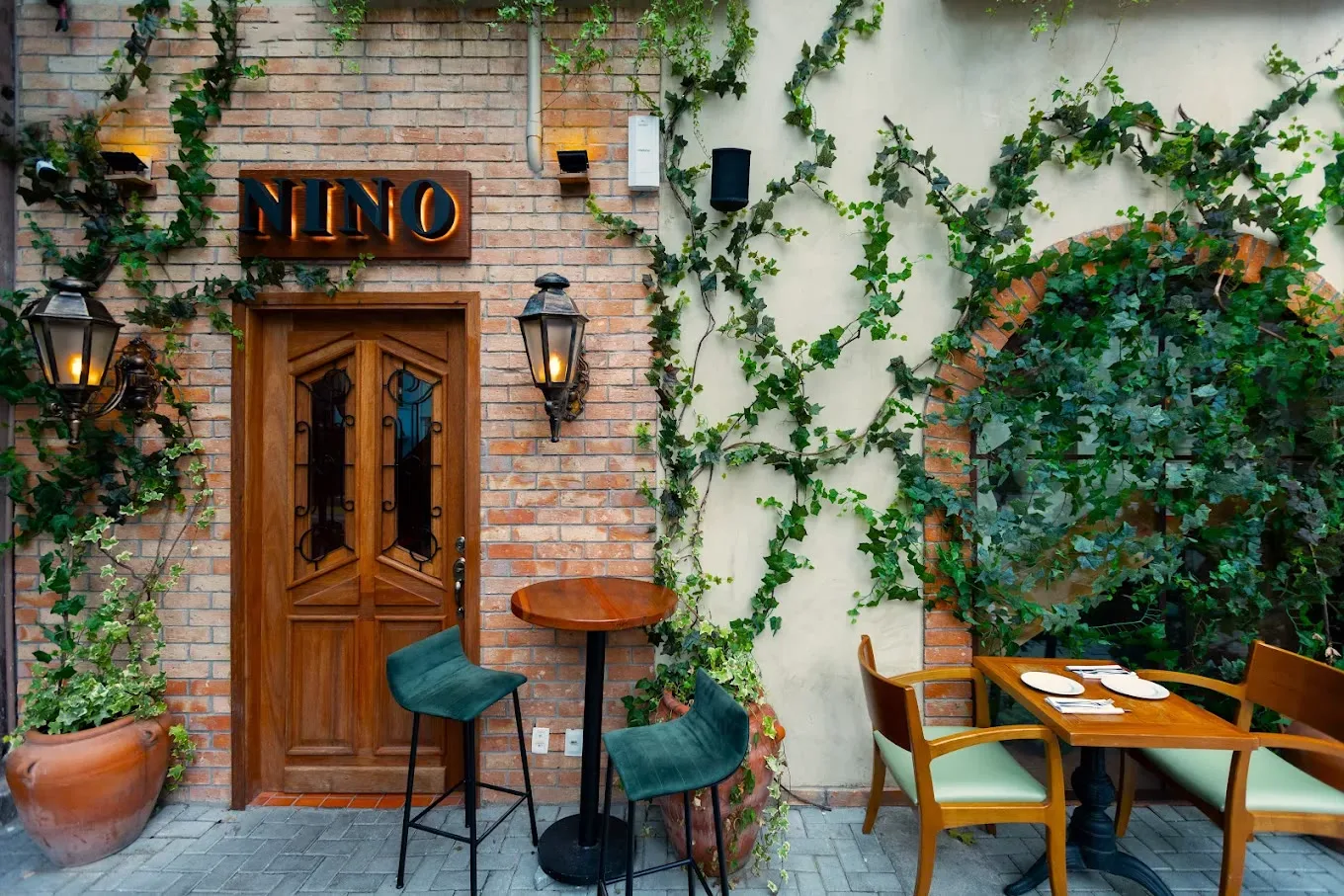

Floor service and margin control on the same platform.
Keep the service sequence flawless without losing sight of the cost of each dish.
Yes. The position is a reference within the table's tab, not a fixed chair number — the service team can reassign it without losing track of who ordered each item.
Both. The cost comes from the recipe card and is available in operational tracking, in addition to being consolidated in analytics for later analysis.
Yes. Each venue keeps its own menu and its own rules, and the group sees the consolidated view — it's the same governance structure as chains.
They are. The rules for couvert, service, and fees follow the venue's policy and are applied to the bill without manual calculation by the operator.
Talk to a specialist
How many locations, what stack is already running, what needs to be integrated, and what the rollout would look like.