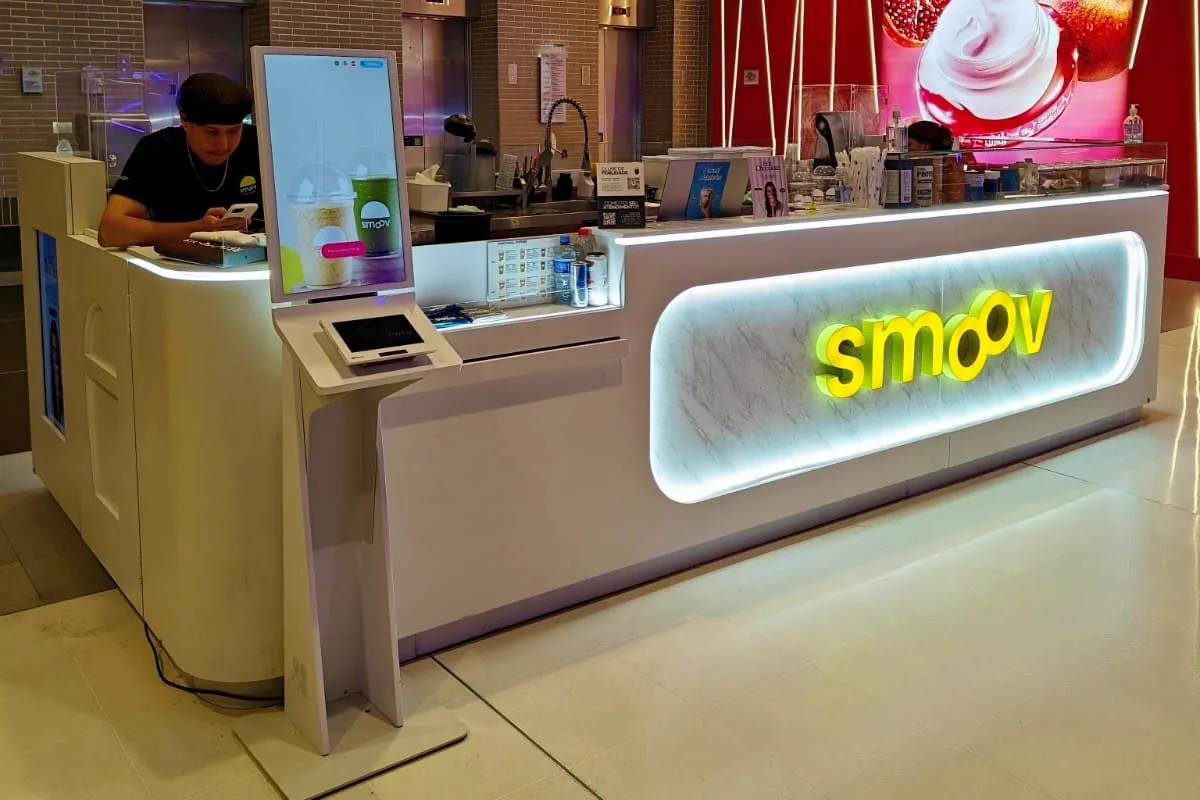
Offline operation
POS and bill closing working without internet, on the venue's local network.
Technology · Operation
The operation can't stop just because the internet did.
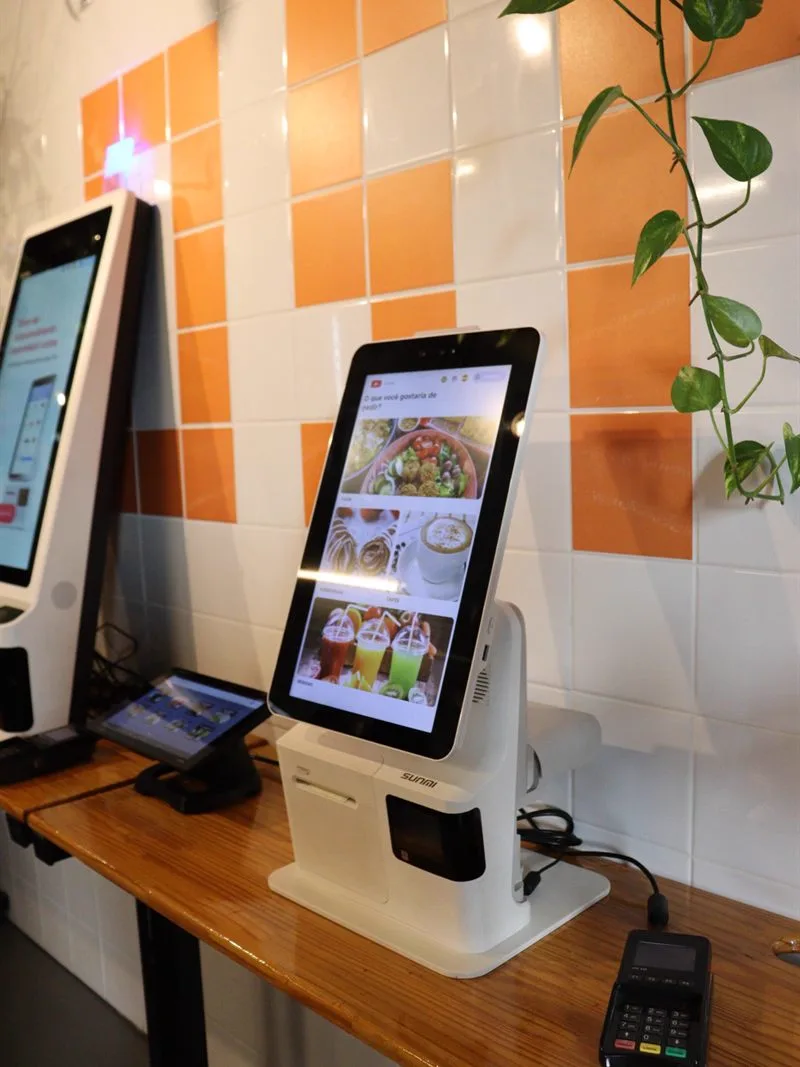
In food service, peak time is exactly when the chain is most likely to fail: lots of people, lots of devices, unstable connections. A system that depends on the cloud for everything turns every internet fluctuation into a line at the register and a sale that doesn't happen.
Every minute the system is down during peak hours is an idle register and a customer walking out. And a system that comes back from an outage and loses what was entered in the middle is worse than a paper tab — because it disappears without warning.
Layer 01
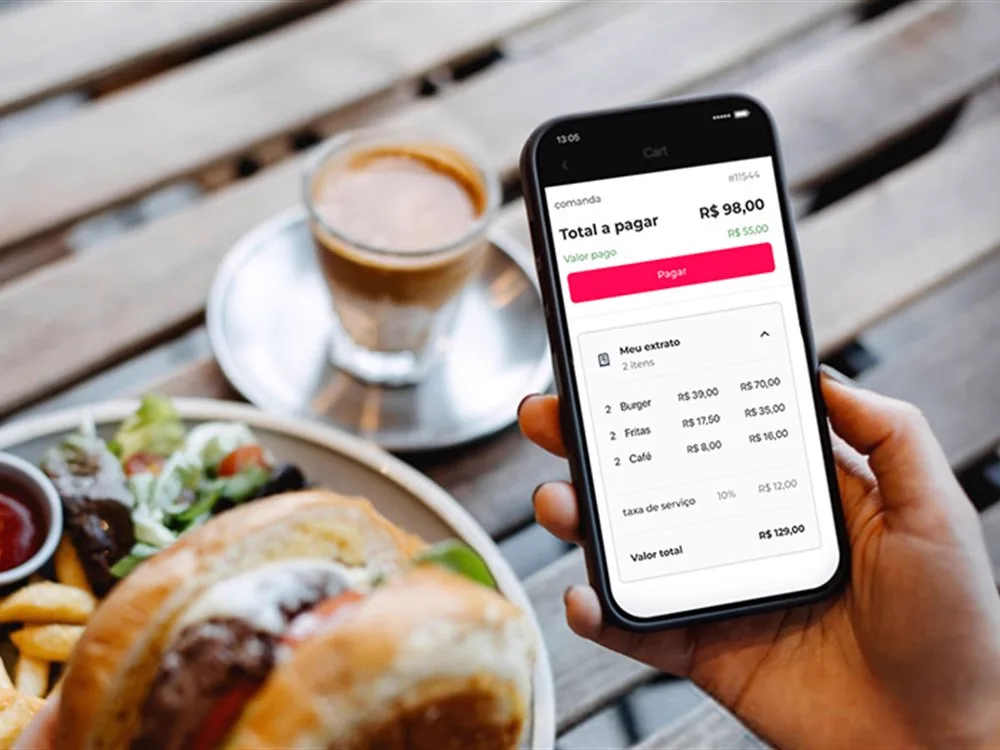
It lives in the operation layer: the terminal and the KDS work on the venue's local network and keep running when the external connection drops, syncing with the layers above once it returns.
POS and bill closing working without internet, on the venue's local network.
What was entered offline uploads on its own when the connection returns, with no action from the operator.
Nothing recorded during the outage is lost when it comes back — the local queue is resilient.
The kitchen keeps receiving orders from the dining room even when the internet is down.
Each terminal keeps operating on its own, without depending on a single point.
The operation doesn't stop because a central service faltered at the moment of highest volume.
The essentials of dining room operation: entering orders, opening and closing checks, printing, and sending to the kitchen through the KDS. Sync with the platform and data layers resumes once the connection returns.
No. Whatever was recorded during the outage stays in the local queue and uploads during sync, without operator intervention.
The operation runs on a local server or in the cloud, on Google Cloud (GCP) — the chain chooses. In both setups the work happens on the venue's local network, which makes the operation resilient to external connection drops; which of the two makes sense is defined in the deployment assessment.
Talk to a specialist
How many locations, what stack is already running, what needs to be integrated, and what the rollout would look like.