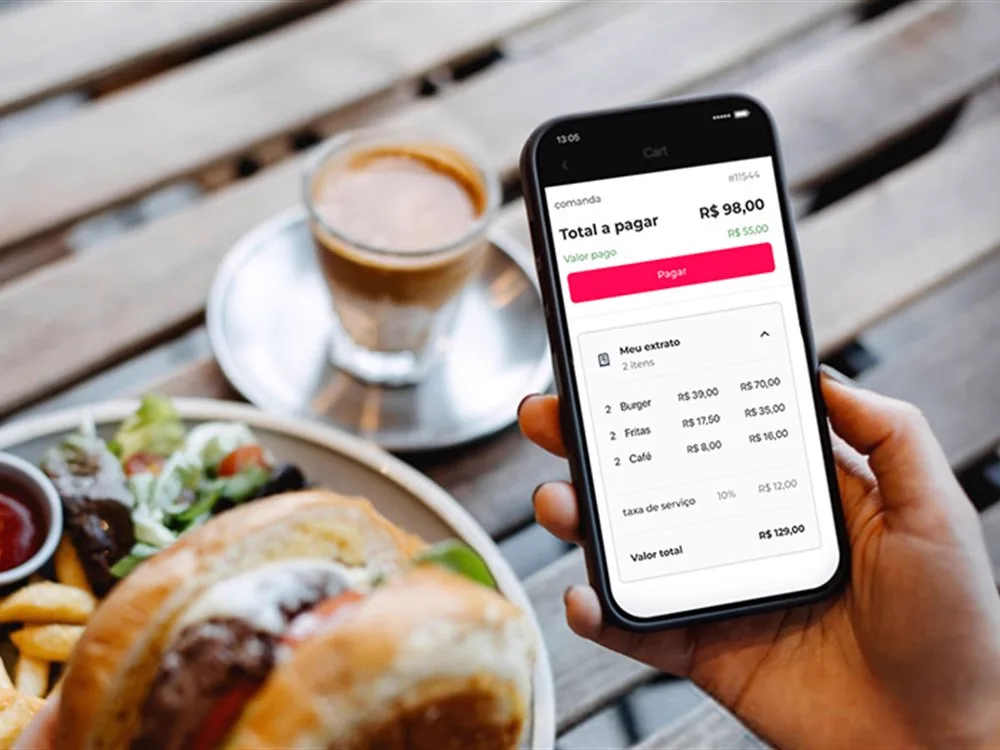
Rules by brand and by CNPJ
Groups with more than one banner operate distinct structures on the same platform.
For your operation
Governance without constraining the location.
A chain grows faster than its ability to standardize. Each new location arrives with a slightly different menu, outdated pricing, and its own spreadsheet. When there are five stores, the operation absorbs it; when there are forty, with distinct brands and CNPJs, the franchisor loses sight of what's happening within its own chain.
Without a central rule, comparing locations becomes a reconciliation exercise: each one reports in its own format, and the consolidated figure arrives late and without confidence. The franchisor discovers the problem through the month's result, not through the week's indicator. And the rollout of a new location consumes senior staff time on manual configuration — exactly the resource that expansion needs to free up.

Layer 02
It's where the chain's rule is defined once and takes effect across all locations. The operation layer executes that rule at the terminals; the data layer consolidates the results for the entire chain.
Groups with more than one banner operate distinct structures on the same platform.
A new location starts with the chain's standard menu, price, and permissions.
A change at the center reaches the locations without depending on someone applying it store by store.
What a location can change is defined by permission, not by trust.
Same indicator, same calculation basis, so the ranking means something.
Operating and financial results totaled by brand, region, or the whole chain.

The structure is hierarchical: the group contains brands, the brand contains locations, and each level can have its own rules. A change made at the brand level applies to its locations without affecting the group's other banners.
Whatever the franchisor defines. Permissions are granular — a chain can allow local discounts and lock menu changes, for example. It isn't a choice between centralizing everything or nothing.
The location inherits the chain's standard configuration, and only what's specific to it changes. The full process — assessment, pilot, migration, training, and phased rollout — is described on the implementation page.
Both. Each location sees its own operation and the center sees the consolidated view, with the same calculation basis — which is what makes comparison possible.
Talk to a specialist
How many locations, what stack is already running, what needs to be integrated, and what the rollout would look like.