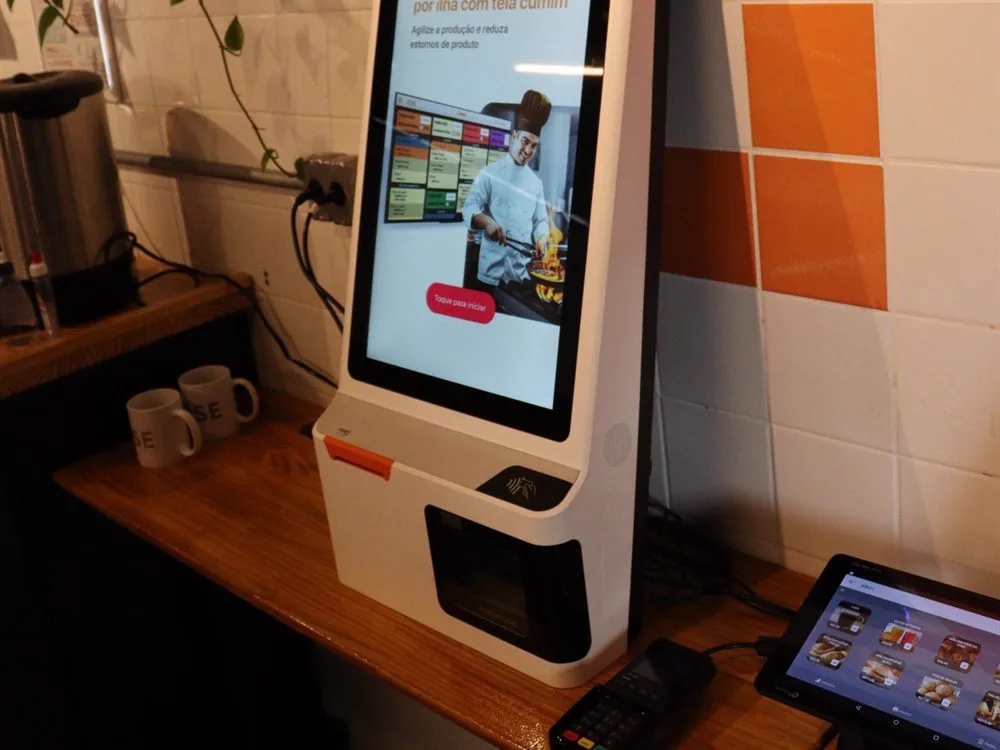
Counter kiosk
The customer builds the order and pays at the kiosk, and it enters the operation directly.
Platform · Operations layer
The customer orders on their own, and the order originates inside the operation from the start.

At peak times, the counter line is money sitting idle: customers who give up, and staff stuck taking orders instead of producing. Self-service solves this — provided the kiosk order doesn't become an island, re-entered into another system to reach the kitchen.
A kiosk that doesn't communicate with the POS trades one line for a workaround: someone reconciles what the machine sold, the kitchen receives orders through a separate channel, and the menu has to be maintained in two places — which is where it diverges.
Layer 01
It's one more point of sale within the operation layer: the kiosk order originates in the same place as the POS order, moves on to production, and feeds into the data just like any other.
The customer builds the order and pays at the kiosk, and it enters the operation directly.
Order via the table's QR code, on the same base as the dining room, no app to download.
A single registry — what changes in the POS changes on the kiosk, with no need to maintain two menus.
What the customer orders goes to the KDS without being re-entered.
Payment capture at self-service uses the same certified acquirers as the rest of the operation.
Suggestion and combination rules configured once, applied across all kiosks.
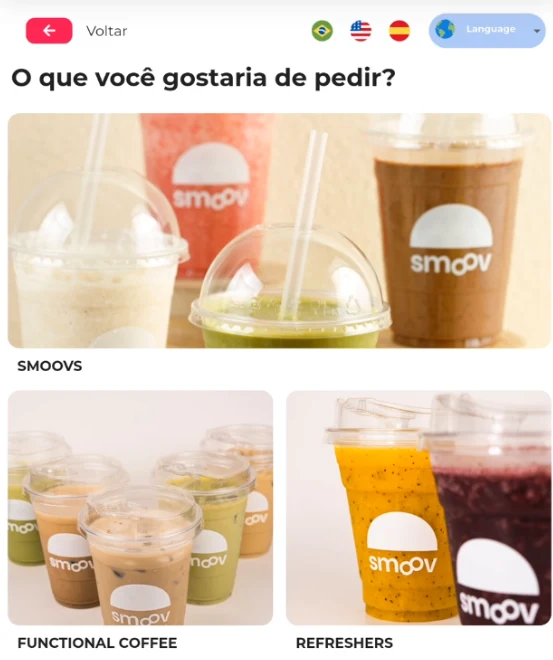
The kiosk and the digital menu serve in Portuguese, English, and Spanish, with the guest switching languages on the screen itself.
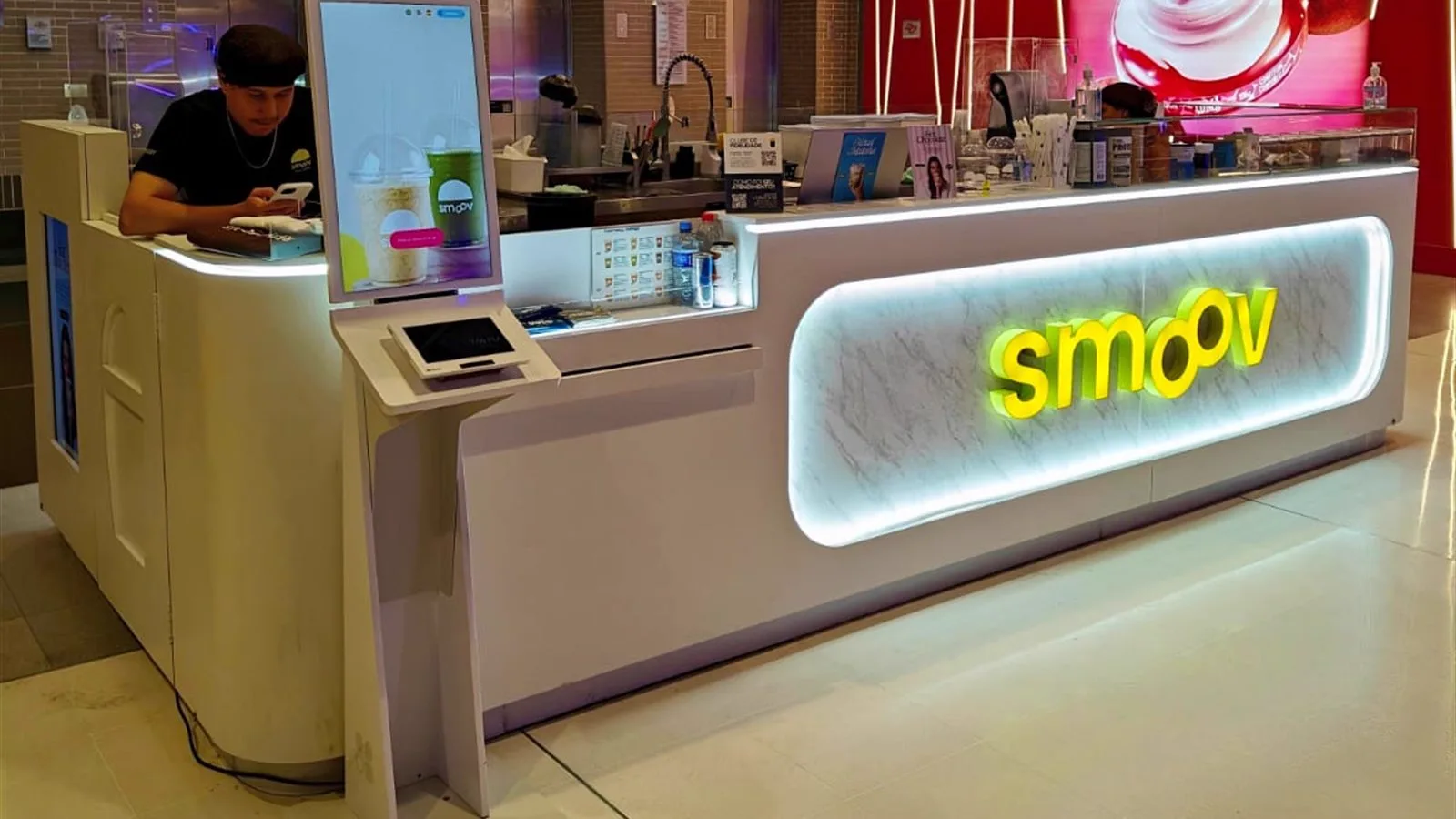
No. It originates on the same POS base and goes to the kitchen through the KDS directly — there is no reconciliation or double entry.
No. It's accessed through the table's QR code, in the browser of the customer's own phone, using the same menu and price as the dining room.
No — the menu is centralized. The governance is the same as for chains: the standard comes down from the center, and the location operates within it.
Talk to a specialist
How many locations, what stack is already running, what needs to be integrated, and what the rollout would look like.