Biometrics in the Real World: Uses for Your Business
Looking back at the past makes it easier to understand the future. Especially in tough times like these, any information about what can be done is welcome! With that in mind, we've rounded up some uses for biometrics to strip away that “air of exclusivity” the technology has, because whatever's good, we like to share! 🙂
First things first, to make this easier: it helps to understand how biometrics has been used (even with a name that sounds straight out of a sci-fi movie, it's actually been around since Babylonian times — no exaggeration!) and what types are available on the market today. That way, in any conversation on the topic, you'll know enough to school your friends.
Since biometrics is used across so many different applications, we decided to break them down by area of interest. Biometrics shows up everywhere: from universities to restaurants, you've surely seen it somewhere before. That's thanks to the benefits it brings in terms of saving time and boosting security, from confirming a student's identity before they enter campus to identifying the attendant closing out the register. But hold on! Before we get ahead of ourselves, let's start with how it's used in business.
businesses
Nice — so you've opened a bar or restaurant and made the Brazilian entrepreneur's dream come true. Congratulations! You're part of that 1% who chases their dreams, even against the current. After getting through the hard part — figuring out and learning the tricks of the trade so you don't have to close up shop — it's time to think about efficiency and how you're going to earn more while spending less.
That's where biometrics comes in.
As part of commercial automation, it can cut corners you didn't even know could be cut — ones that seemed essential. It's like driving back from the coast on a Sunday afternoon with a lane all to yourself and your ride! Now, here's how:
digital certificate
First things first — and this includes brushing your teeth, taking a shower, saying good morning to the doorman — understand that this is, in fact, the easiest form of biometricsyou can get, simple and essential. A Digital Certificate is a document that proves you are who you say you are in the maze of the digital world. That's a good thing, because it's a technology you can use to make bank payments — without wasting a whole day and your patience on couriers and government offices — among many other uses.
But of course you already knew that, right? Obviously, because after all, you've already signed up for our newsletter and seen our post on this topic.
Biometrics Out on the Town
Digital biometrics (this time, “digital” as in fingers!) should be mandatory for restaurants, bars, and nightclubs. Besides cutting service time in half, it also brings peace of mind to owners by turning a chaotic process into an orderly one. First, let's talk about the benefits for customers, then for owners. Follow along:
For customers, digital biometrics means you don't have to carry ID everywhere you go. A venue with biometric registration can pull up all the information for a customer who has already signed up. You've probably seen this around São Paulo — plenty of clubs and concert venues use this technology to cut down on long lines at the door.
For owners, it's even better! That's because this technology keeps patrons from storming off angry after being stuck waiting at the door, which improves the odds they'll come back. Second, when it's used among staff themselves, owners know exactly how much each employee is bringing in. At most bars, staff already use a password to ring up orders. Instead of fumbling with a touchscreen with a sweaty finger, biometrics identifies the staff member by fingerprint, logging every single time they use the system.
Not to mention that, just like in school, there are always those friends who'll sign in for a buddy. With individual passwords, it's easy to text yours to a friend so they can fraudulently “clock in” on the system for you. With biometrics, that becomes impossible (unless your buddy cuts off the other guy's finger, or makes a fake fingerprint out of wax).
The sheer amount of data this generates is massive! With it, you can pinpoint exactly what happens at every stage of the sales process. It's like having a zoom lens that shows you every detail of your operation — not to mention that everything done in the system gets logged, like the system's own logbook. Working in this market, we've seen every kind of story, and since 2010, the number of fraud cases has been climbing, already topping R$ 2.2 billion a year… and that's just in Brazil.
Kiosk Payments
Normally, you need a cashier to close out a customer's tab, right? Wroooooooong!
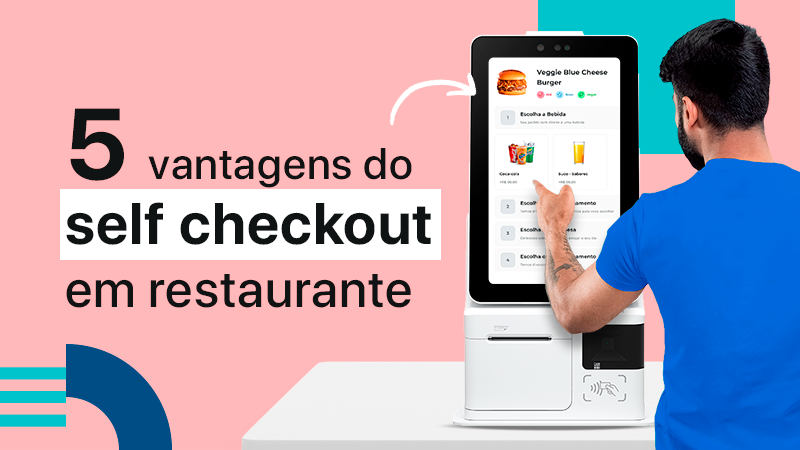
Technologies like self-service kiosks have been gaining even more traction because they're cheaper (they almost never require meal or transit vouchers), more efficient (some kiosks can close out several tabs at once, all from a phone!), and, best of all, generate way fewer complaints.
A self-service kiosk saves customers the headache of standing in line waiting for the guy up front to remember his code, for the cashier to charge the right amount, or for an assistant to change the paper roll on the card machine. Not to mention that just being able to close out your own tab already makes it worth it!
Cloud Security
Thanks to Cloud Computing (the famous “Cloud”), you and millions of other iPhone and Android users can store more photos, videos, and apps on your phone without having to delete the old ones. That happens because, even though you can still view those files, they're not actually stored on your phone.
Those files get “uploaded” to the cloud (whether it's Google Drive, iCloud, and/or Dropbox) and, with an active internet connection, accessed from your phone. That way, you can have your files at your fingertips without having to choose which memes to keep on hand and which ones are old news (*ahem* philosophical raptor *ahem*).
When cloud computing first appeared, plenty of business owners, users, and research institutes figured the trend wouldn't catch on. Their reasons ranged from a lack of security to how long it would take to upload an entire company's files. Not to mention the therapy the poor soul in charge of organizing it all (read: the intern) would need — especially after reorganizing it another 15 times to suit the whims of each partner or manager involved.
However, according to research conducted by KPMG International, “nearly 50% of the companies surveyed adopt cloud computing mainly because of the cost reduction the platform can offer”. Isso acontece por causa das melhorias em termos de flexibilidade e integração inter-organizacional, onde diversas equipes podem acessar a mesma informação, com a mesma facilidade. Sem contar que, com a mesma facilidade que as equipes dentro da empresa acessam as diversas informações, estas também podem ser enviadas aos clientes para revisão, edição, e aprovação, sem precisar marcar reuniões.
Because of the improvements and optimizations the cloud brings to businesses, there's been a mass migration to this technology. Taking note of this, the European Commission created the General Data Protection Regulation (GDPR), a broad regulation on data protectionwith standards for the security and compliance of cloud applications. According to the report produced by the commission itself, 98% of the applications analyzed fail to meet GDPR's basic standards.
The cloud might just push your business to new heights, but is that peak really worth it with so much insecurity involved?
Betting on Banking Biometrics
Without a doubt, everyone's biggest dream is to get access, even for just one hour, to a bank's vault (even a state-run one would do). That's why (and also, I imagine, to keep customers' money safe) the ones investing the most in security measures are, obviously, the banks themselves.
Since we don't live in the world of Harry Potter, big banks had to come up with alternative solutions to the ones used by Gringotts' legendary security system. Especially since these days it's gotten hard to keep a dragon locked up, what with the WWF and Greenpeace on the loose. Those alternative methods are… biometrics! (BET you weren't expecting that one!)
Because of our smartphone addiction, these days every business has its own app. According to the news outlet TecMundo, by mid-2016 the AppStore had already logged more than 2 million apps available for Apple devices. Among them, apps from giants like Lloyds and Mastercard were some of the first to bet on biometrics for authentication.
October was the month selfies became part of the process (yes, you read that right). The announcement from these giants pointed out how insecure user passwords really are, showing that with a bit of social engineering and automation, most profiles can be hacked. In other words, even though some researchers have already shown that processes like this can be tricked with photos found on social media, they're still safer than using your birthday as a password.
Usually, these technologies are used for convenience more than anything else. Like it or not, most of us reuse the same passwords across different sites (honestly, who has the memory to keep track of them all?). In that sense, biometrics is like the “sign up with Facebook” button for profiles that already exist. It's a convenience, but for you, dear (smartphone) user, it's also a facade that projects security.
If you'd like to learn more about this topic, read the history of biometrics and the existing types of biometrics.