Blues Bars Keep Brazil's Musical Tradition Alive
Specialized venues bet on intimate experiences, musical culture, and a unique identity
Amid the fast pace of big cities and the growth of bars geared toward commercial music, some venues continue to bet on a more intimate approach built around the musical experience. With themed decor, live shows, and a loyal crowd, blues specialty bars have kept alive a cultural scene that spans generations and turns going out into a more contemplative experience.
More than just a place to hear music, spending time at a blues bar means immersing yourself in a whole cultural universe. Drawing on references from the United States, these venues build on the genre's history to create spaces that break from the traditional mold.
Blues as experience and identity
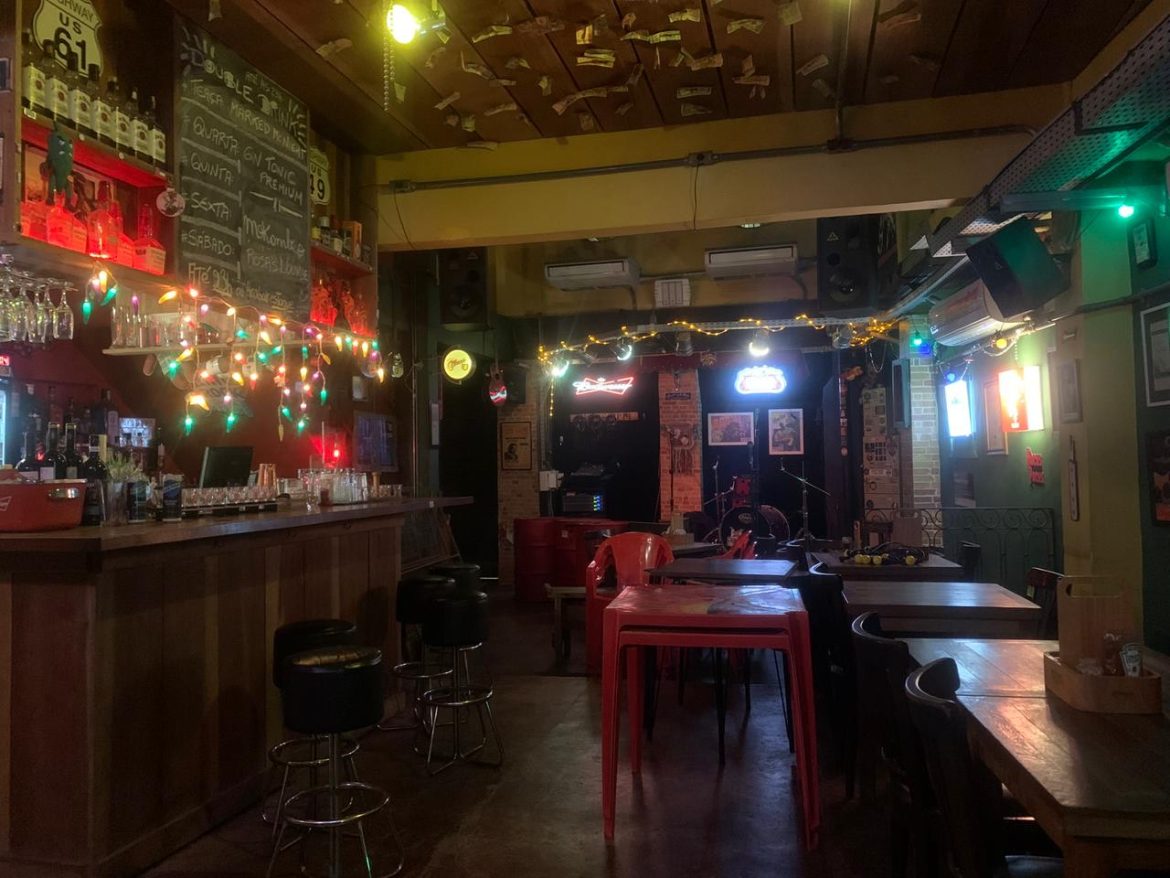
In Rio de Janeiro, Mississippi Delta Blues Bar built its identity around the traditional “juke joints” of the American South — historic venues known for bringing together music, food, and community around the blues. The decor draws on the personal experiences of owner Toyo Bagoso, who traveled to Mississippi several times to get an up-close look at the culture behind the genre.
According to the owner, the goal has always been to create a space that conveys the history of the blues to Brazilian audiences. “It's a place built around the history of the blues. The whole atmosphere of the venue, the decor, the concept — it all comes from the American juke joints. In Ireland and England they call them pubs; in the American South, they're juke joints,” Toyo reveals.
Even though the focus is on blues, the venue also makes room in its lineup for other musical genres. “We're open to other styles that share the same musical roots, like classic rock, soul, folk, salsa, forró, and samba. What we steer away from is pop rock bands and commercial music in general,” Toyo reveals.
And since it's located in Rio de Janeiro, the venue also weaves in references to Brazilian culture in its programming and identity. “We try to bring in Brazilian culture, and since we're in Rio de Janeiro, the birthplace of samba, we lean heavily into that genre,” Toyo explains.
Blues culture beyond the music
In Ponta Grossa, in the state of Paraná, Garage Jazz and Blues was born 13 years ago out of owner Sérgio Petrochinski's passion for both musical styles. The goal is to create an atmosphere geared toward musical appreciation and togetherness — more low-key, with a focus on ambient music and live performances suited to an audience looking for a relaxed evening.
Sérgio says Garage works with bands that play the blues classics and, whenever possible, new artists. “We open our doors to artists who come here, as long as they show work that fits the venue,” he points out. Every act, without exception, has to match the intimate profile the venue has built. “If it's a group with a loud vocal style or sound, it just doesn't fit here, because that's not what we're about,” says Sérgio.
A loyal crowd keeps the scene alive
Even though blues isn't considered a genre with huge commercial appeal in Brazil, specialty bars manage to keep a steady crowd coming back and build communities around the music. Sérgio Petrochinski says Garage's customers tend to be more “mature,” mostly people over 40.
The crowd profile is the same at Mississippi Delta Blues Bar, made up mostly of older customers and couples looking for dinner while they take in live performances. “The people who come here tend to be older — a lot of couples come for dinner and to watch the shows, but there's also a growing number of younger people showing up, and it surprises us,” says Toyo Bagoso.
To draw in younger crowds, these bars have been betting on emerging artists and other musical styles, like MPB with voice and acoustic guitar. By blending music, gastronomy, and cultural identity, blues bars continue to hold an important place in Brazil's nightlife scene. More than just places to hear music, they've become spaces for connection, discovery, and appreciation of a genre that keeps crossing generations.