Cassava takes center stage in gastronomy
A traditional ingredient of Brazilian cuisine appears in new takes and fresh gastronomic combinations
Present in human diets for thousands of years, cassava is one of the most emblematic ingredients of Brazilian cuisine. Grown in every state, it combines tradition and versatility, appearing both in regional recipes and in contemporary preparations. Data from 2023 from the Food and Agriculture Organization of the United Nations (FAO) place Brazil as the world's fifth-largest producer of the crop.
According to Abrasel (the Brazilian Association of Bars and Restaurants), the use of cassava on menus reinforces the appreciation of local ingredients and opens up space for innovation in the food-away-from-home sector.
From the root to regional recipes
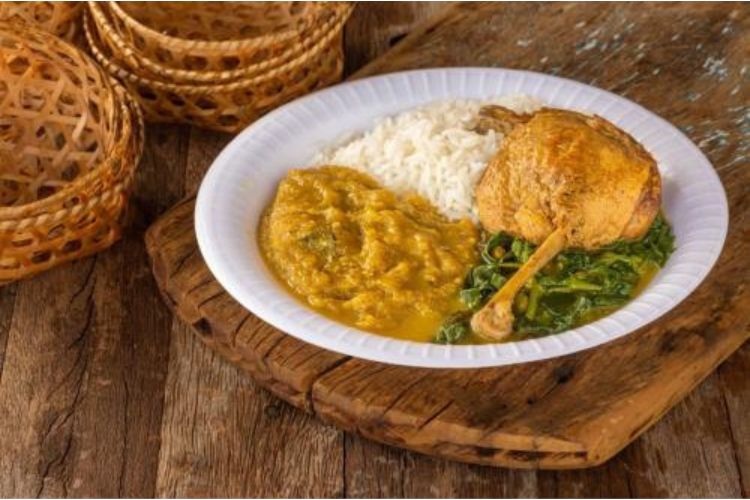
Easy to grow, cassava is used to produce flour and starch, and is also eaten directly. Traditional dishes such as vaca atolada and tapioca show the range of uses of the ingredient, which cuts across different cultures and regions of the country.
In the Amazon region, tacacá is one of the main examples of this tradition. Made with tucupi, a liquid extracted from bitter cassava, cassava starch, dried shrimp and jambu, the dish carries a strong cultural identity.
At the restaurant Tacacá da Tia Socorro, in Manaus (AM), the recipe has been kept for more than two decades. Owner Aline Damasceno highlights the role of tucupi in the preparation and also points to new trends in how the ingredient is used.
“What I've been seeing show up in the market, something you didn't see before, is black tucupi. Black tucupi is a reduction of tucupi until it turns dark, where the sugars in the tucupi gradually darken the product”, says Aline Damasceno.
Tradition and creativity in the South
In the South of Brazil, cassava is also gaining ground in new interpretations. At Churrascaria do Gaúcho, in Foz do Iguaçu (PR), the ingredient is combined with acidic elements and contemporary techniques.
Chef Paulo Souza, known as Paulo Gaúcho, bets on preparations that make cassava the star of the plate. “We make a very velvety cassava mousseline served with a native-fruit vinaigrette, and we even work with cassava in desserts, paired with cured cheeses from the region and sugarcane mill honey”.
Located on the border with Paraguay, the churrascaria takes in cultural influences from the region, where eating cassava is part of everyday food life. “It plays the role bread has in other cultures: it's comfort, satiety and the link to our land. You can't imagine a complete meal around here without it”, says Paulo.
The chef also underscores the balance between tradition and innovation on the menu. “We draw on the Paraguayan heritage (such as using cassava dough for bases) and apply contemporary techniques to lift the ingredient from”side dish ” to”star “’.
Nutritional benefits
Beyond its versatility in the kitchen, cassava also stands out for its nutritional value. Rich in carbohydrates, it provides energy and helps promote satiety. Nutritionist Ketlin Santos highlights the presence of fiber and minerals such as phosphorus, potassium and calcium, important for gut health and the functioning of the body. “It works as a substitute for wheat flour and makes everyday recipes possible”, says Ketlin.
She also stresses that the cooking method directly influences the nutritional quality of the food, recommending it be eaten boiled or baked.
From the foundation of traditional cooking to contemporary reinterpretations, cassava remains a central ingredient in Brazilian gastronomy. Its presence across different regions and formats reinforces both the cultural identity and the innovation potential of the food-away-from-home sector.