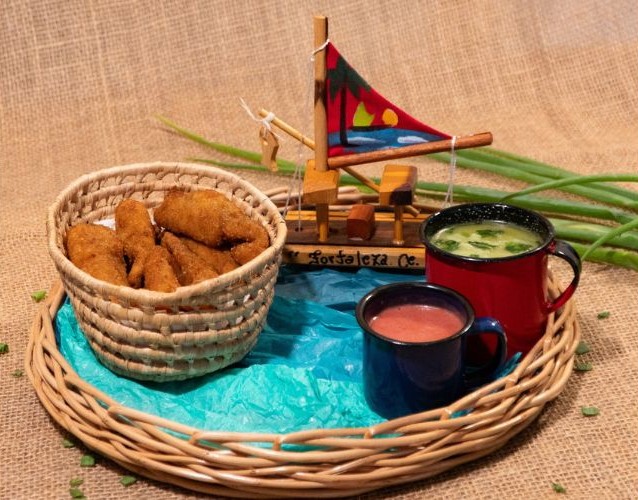
Plating: 6 Techniques to Impress
Some say we eat with our eyes first, and that's exactly why knowing and applying plating techniques matters so much.
It doesn't matter whether your restaurant is upscale or simple: good presentation is the secret to standing out. When the waiter serves a carefully made, attractive dish, it whets customers' appetites and makes the the dining experience more interesting.
To learn how to plate food that makes mouths water and delights your customers, keep reading this article!
What is plating?
Plating is the process of arranging the dish after the food has been prepared.
Different techniques are used to arrange the elements harmoniously and attractively. The goal is to create beautiful, appetizing dishes that also express creativity. In fact, in gastronomy this practice is seen as an art.
To create a dish, chefs take into account the symmetry and balance between ingredients, the contrast between colors, the different textures, the combination of flavors, among other aspects.
Although the two are seen as synonyms, plating is just one of the components of presentation. Esta, por sua vez, pode ser vista de forma mais ampla, incluindo também as louças, talheres, copos e taças, decoração da mesa e outros detalhes.
Either way, both influence the customer experience and perceived value. We'll look more closely at why this matters below. Keep reading to understand better!
Why is dish presentation important?
Food can be very tasty, but if it doesn't look good, it won't be appetizing.
So taking care of how your restaurant's dishes are presented is essential to sell more and keep customers satisfied. Isso vale para todos os tipos de restaurantes — e não apenas para os mais sofisticados.
After all, even a sloppily assembled hot dog makes a bad impression and can end up hurting sales. Remember: the way a dish is presented creates the first impression that customers get of the food's quality and the restaurant's attention to detail.
Beyond whetting the appetite, visual stimulation also influences perceived value. If a dish is more elaborate and carefully plated, that suggests better quality. This makes it possible to justify higher prices and earn more.
Finally, dish presentation is also a strategy for differentiation from the competition. A special dish can even encourage customers to take photos and share them on social media, contributing to organic marketing and reinforcing your brand.
Now that you understand why it matters, let's look at some techniques chefs can use and tips for impressing your customers. Follow along!
6 plating techniques to apply in your restaurant
Plating techniques can vary according to the restaurant's style, the type of cuisine and the chef's creativity. Even so, some of them are more common and widely adopted. Check out a few tips below:
1 – Symmetry
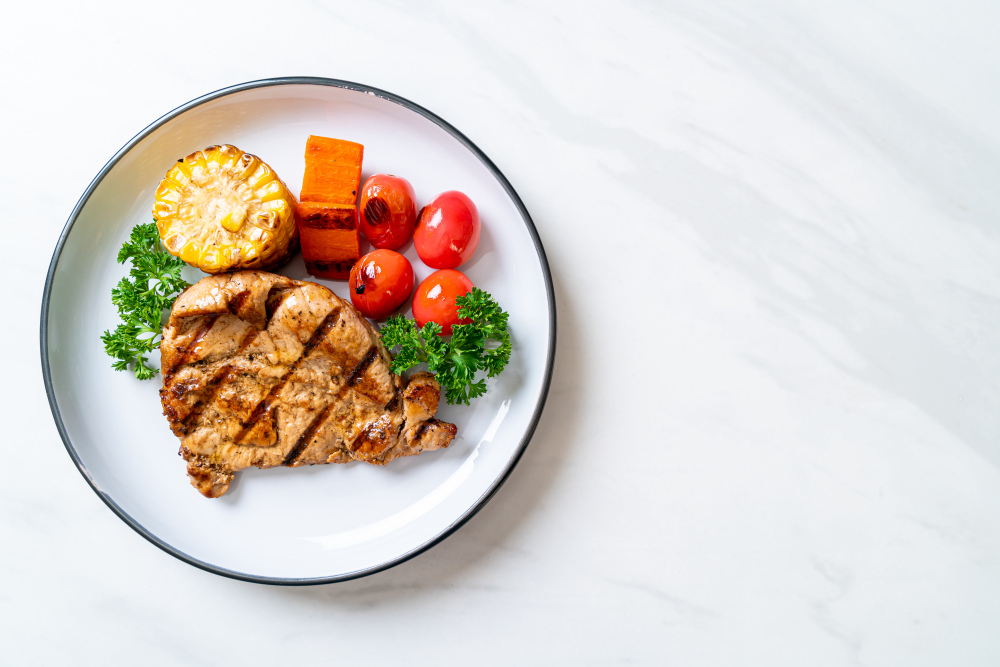
Symmetry is essential for a balanced, organized presentation. There are several ways to arrange food on the plate, but one of the most classic is the rule of thirds.
In it, the plate is divided into three parts of a clock. The main protein goes in the bottom third, from 3 to 9 o'clock. The second element, usually a carbohydrate, goes in the upper left corner, from 9 to 12 o'clock. And the last element, typically a vegetable, goes in the upper right corner, from 12 to 3 o'clock.
That said, it's worth noting: despite the name, this is far from a rule. Contemporary plating tends to explore other symmetries, bringing in design knowledge to create the compositions.
2 – Height and depth
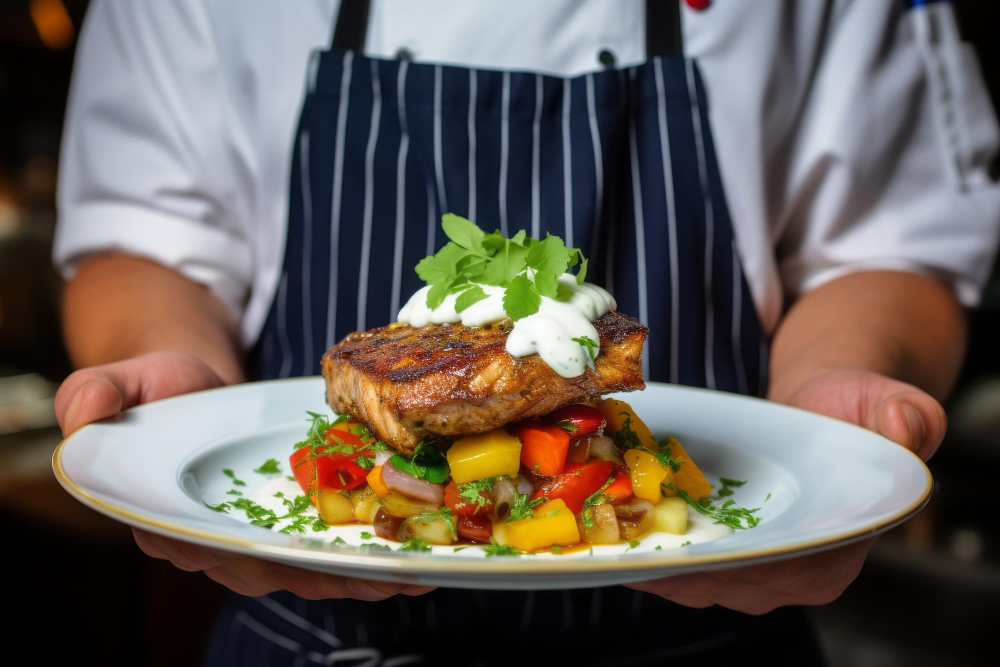
Another very common technique is adding dimension to the plate by playing with height and depth. This usually produces a very attractive result, because it makes the food stand out.
The chef can incorporate elements of different heights and textures, stack ingredients, create layers or use foams and crisps.
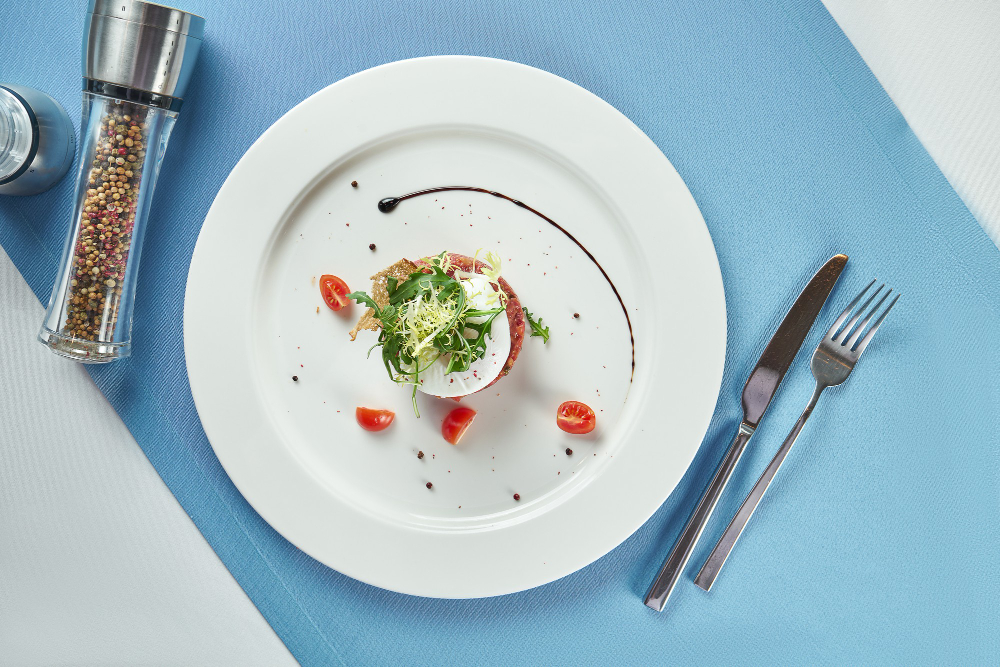
3 – Negative space
A plate that's too full, with no “blank” spaces, ends up not highlighting any ingredient. That's why negative space is a widely used technique.
It consists of leaving empty spaces between the foods to highlight the main element, balance the composition and keep the plate from looking overloaded. It's quite common in the minimalist style.
4 – Contrasts of textures and colors
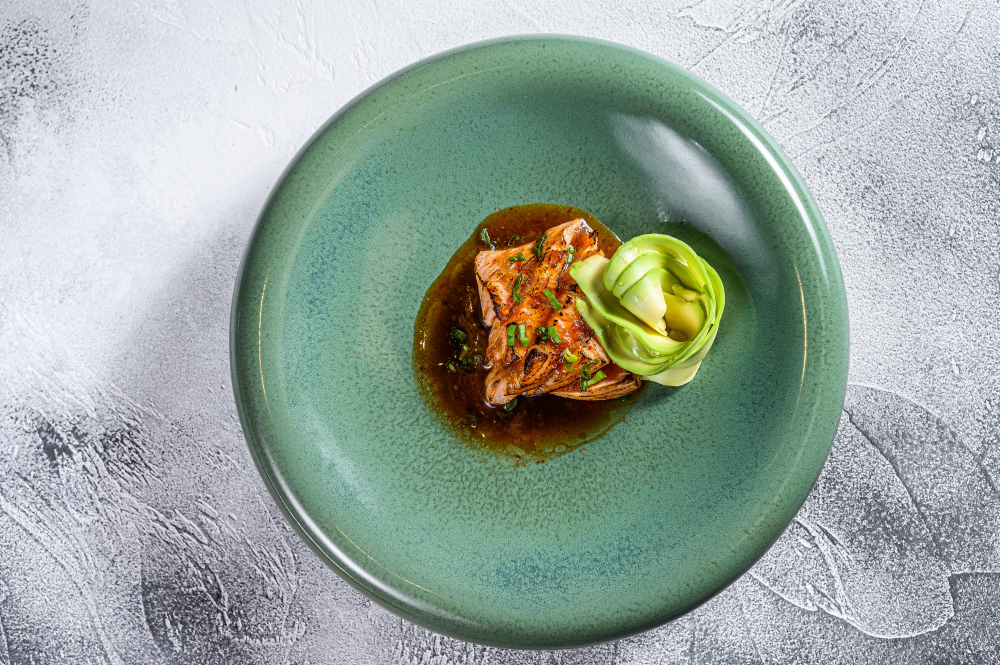
Exploring the contrasts between the different textures and colors of the food in the composition of dishes is also a way to make them more interesting and attractive.
One idea is to use soups and broths as a base for fish and meats. Another common practice is playing with opposites, such as black x white, grainy x smooth.
5 – Sauces
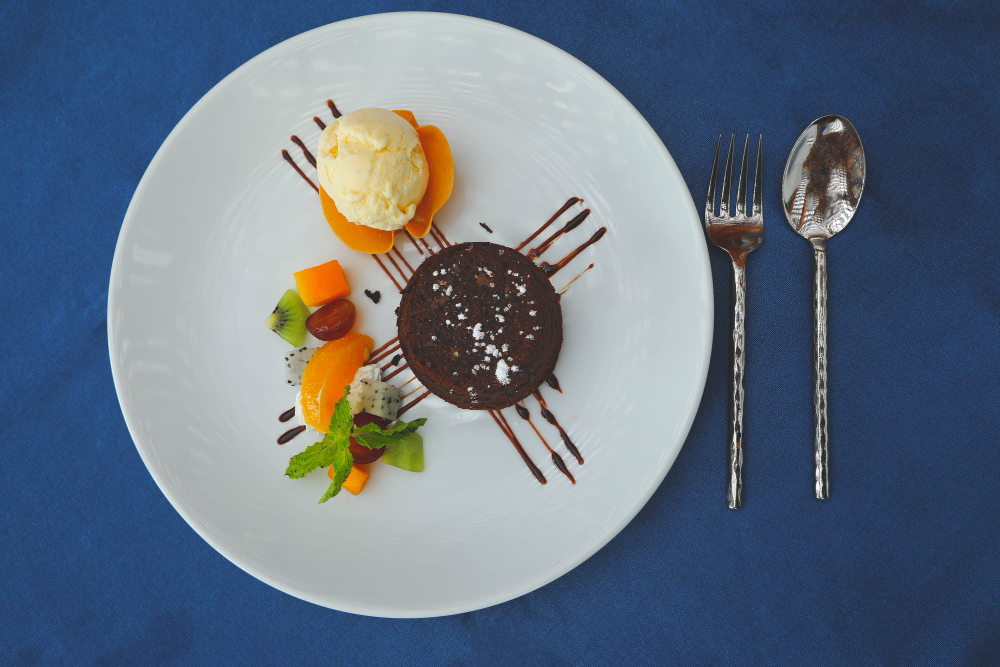
Using sauces is one of the most practical ways to finish a dish. They work like paint on a canvas, and can be applied in different ways:
- A base for other elements
- Small dots or precise drops
- Spirals around an element
- Zigzag
Just don't forget that the sauce has to look good and its flavor needs to harmonize with the rest of the dish.
6 – Garnishes
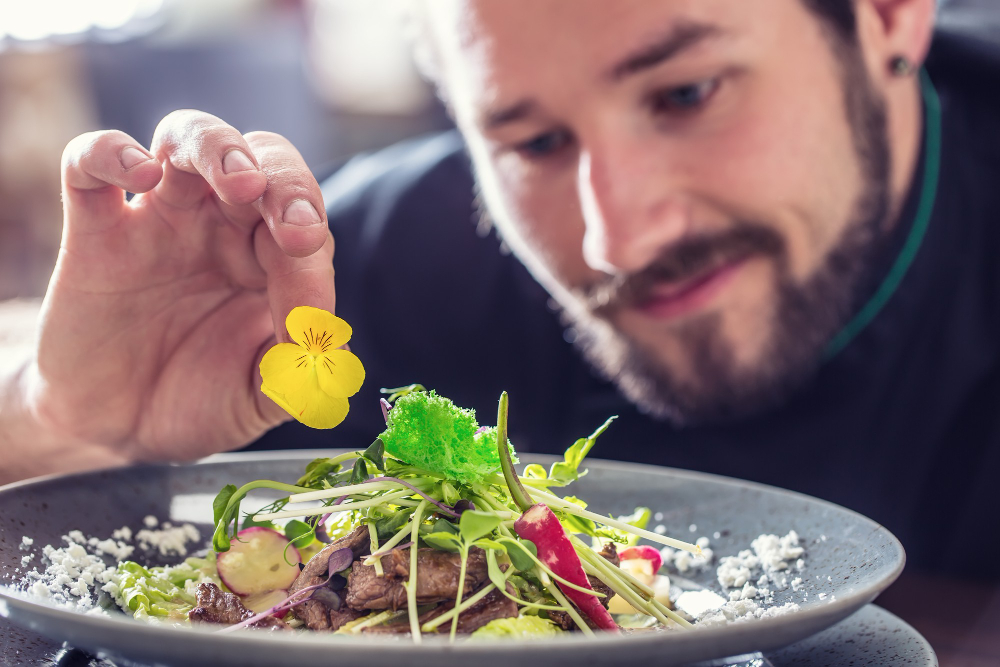
To finish the plating, you can also use garnishes such as fresh herbs, edible flowers, sesame seeds or other kinds of seasonings — and sprinkles, in the case of desserts.
That special touch can make all the difference in the dish and show your attention to detail.
Delight your customers and deliver five-star service
What did you think of the tips? As we saw, there are different techniques and styles that can be used, regardless of the type of cuisine and restaurant. What matters is putting care into the presentation and delighting your customers.
And to give your customers an even more amazing experience, get to know EPOC. With our platform, you can deliver five-star service and take the complexity out of managing your business.
Check out our solutions for restaurants e fale com nossos consultores to find out how we can help your business grow.