Diversity and Inclusion in Bars and Restaurants
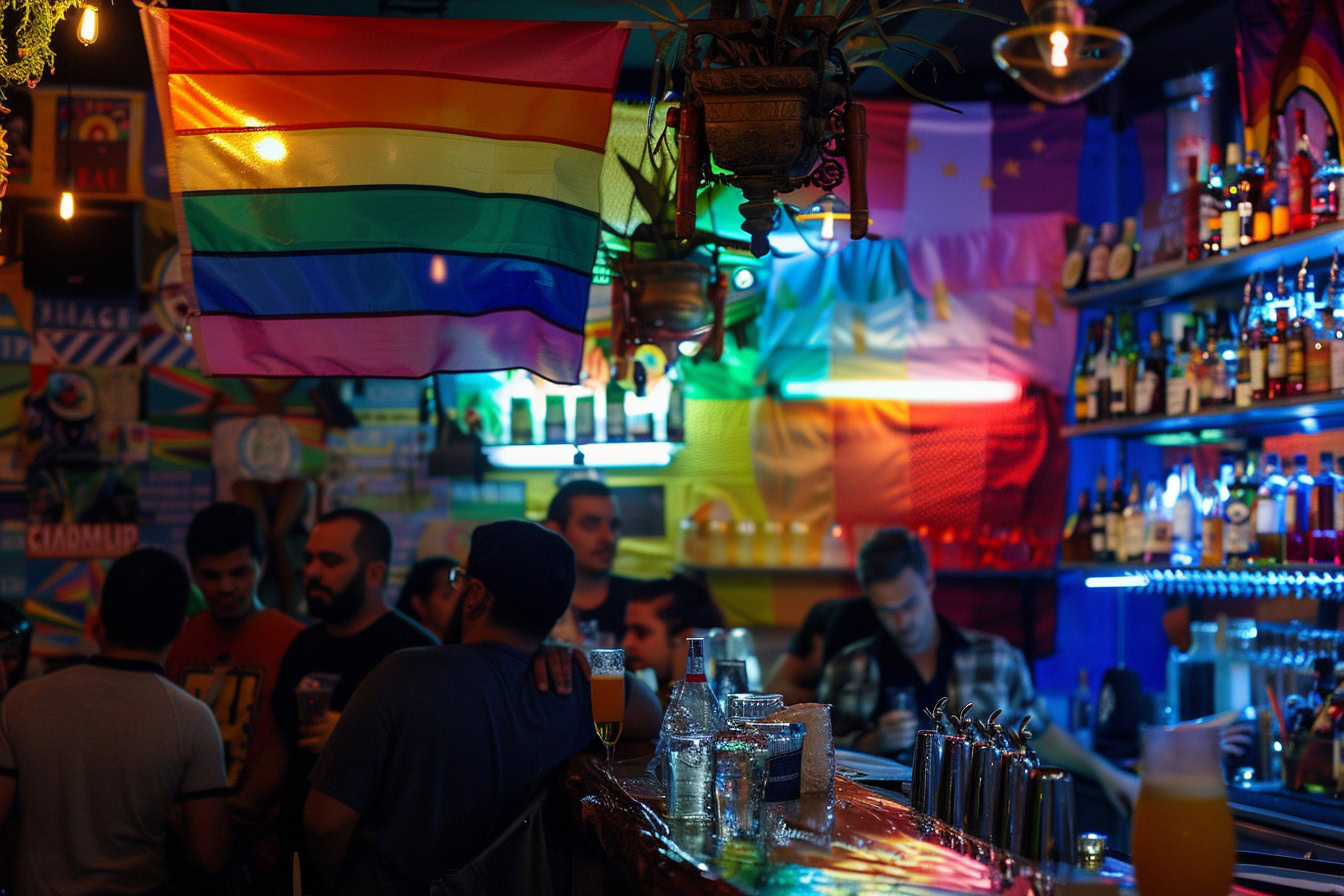
An essential part of the Brazilian economy, bars and restaurants stand out as spaces of togetherness, diversity, and inclusion. Currently employing more than 6 million people, these establishments are often the gateway to a first job for many young people, including those who belong to the LGBTQIA+ community.
The welcome extended to these people, whether they are employees or customers, stands out as an action with transformative potential. Beyond providing job opportunities to a group frequently discriminated against by the labor market, bars and restaurants strengthen their role as important points of inclusion, especially by offering welcoming and respectful spaces.
Safety, respect, and diversity initiatives
To build a genuine, lasting connection with the LGBTQIA+ community while promoting social responsibility all year round, bars and restaurants need to adopt at least two practical approaches: offering respectful, pleasant service to customers and providing inclusive job opportunities to new employees.
Paulo Jelihovschi, psychologist and Head of People and Journeys at the Brazilian Association of Bars and Restaurants (Abrasel), explains that it is crucial for establishments to promote the inclusion of these people in order to create spaces where everyone feels comfortable and can help tackle the day-to-day challenges.
“Diverse and inclusive teams produce more effective solutions. Combining varied perspectives on the same issue, where individuals with different experiences and backgrounds collaborate in an environment of mutual respect, certainly generates better results than those created by groups with homogeneous life histories”, says Jelihovschi.
For Ana Raggio, founder of (Re)Presente, a consulting and training company focused on diversity, inclusion, and ESG, affirmative action policies have significant impacts. “Beyond fostering a more welcoming culture for customers and employees, these policies add value to establishments, which are increasingly attracting consumers based on how well their principles align with the company”, she says.
Consumers, employees, and entrepreneurs
The LGBTQIA+ public has increasingly found in bars and restaurants a space to build a professional career, whether as employees or as managers of establishments. In Brazil, businesses run by people who belong to the community have stood out for promoting representation, safety, and a sense of welcome.
Graffica Gastrobar, located in Belo Horizonte (MG), is a success story. Created by an LGBTQIA+ entrepreneur, the bar was conceived from the start with the intention of being diverse. “Inside and outside the kitchen, some of the professionals involved in running the establishment belong to the community. We believe this is essential to creating a truly welcoming and inclusive environment, as well as being a practical example that we can and should occupy every place in a production chain”, says Marilda Ribeiro, the bar's owner.