June Festivals spark optimism in bars and restaurants
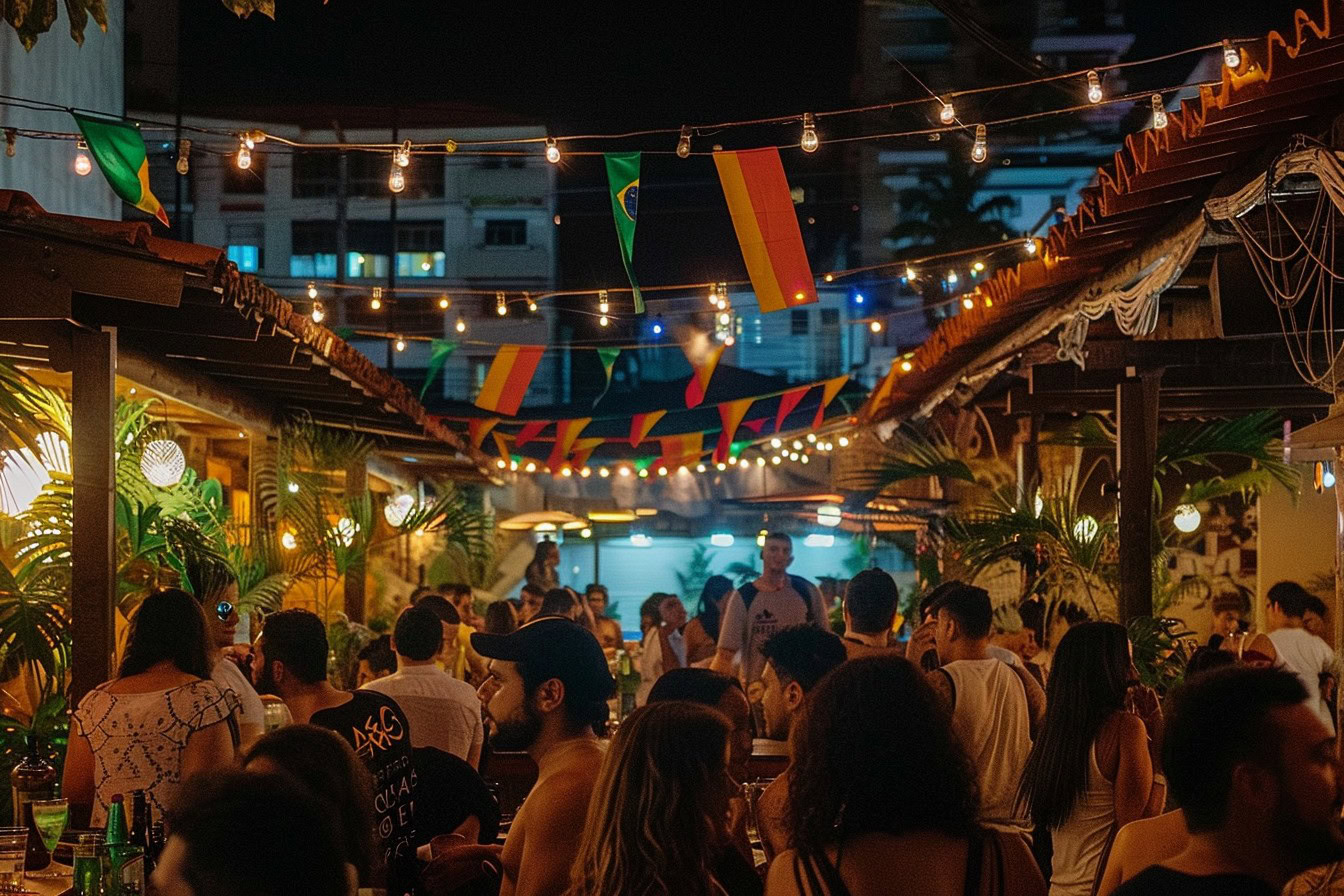
June has arrived. And with it, the traditional São João festivities are stirring up cities across Brazil. The celebrations liven people up as they enjoy the street fairs, church bazaars, dance performances and traditional foods. And bar and restaurant owners are making the most of it too, seeing in the date an opportunity to increase revenue.
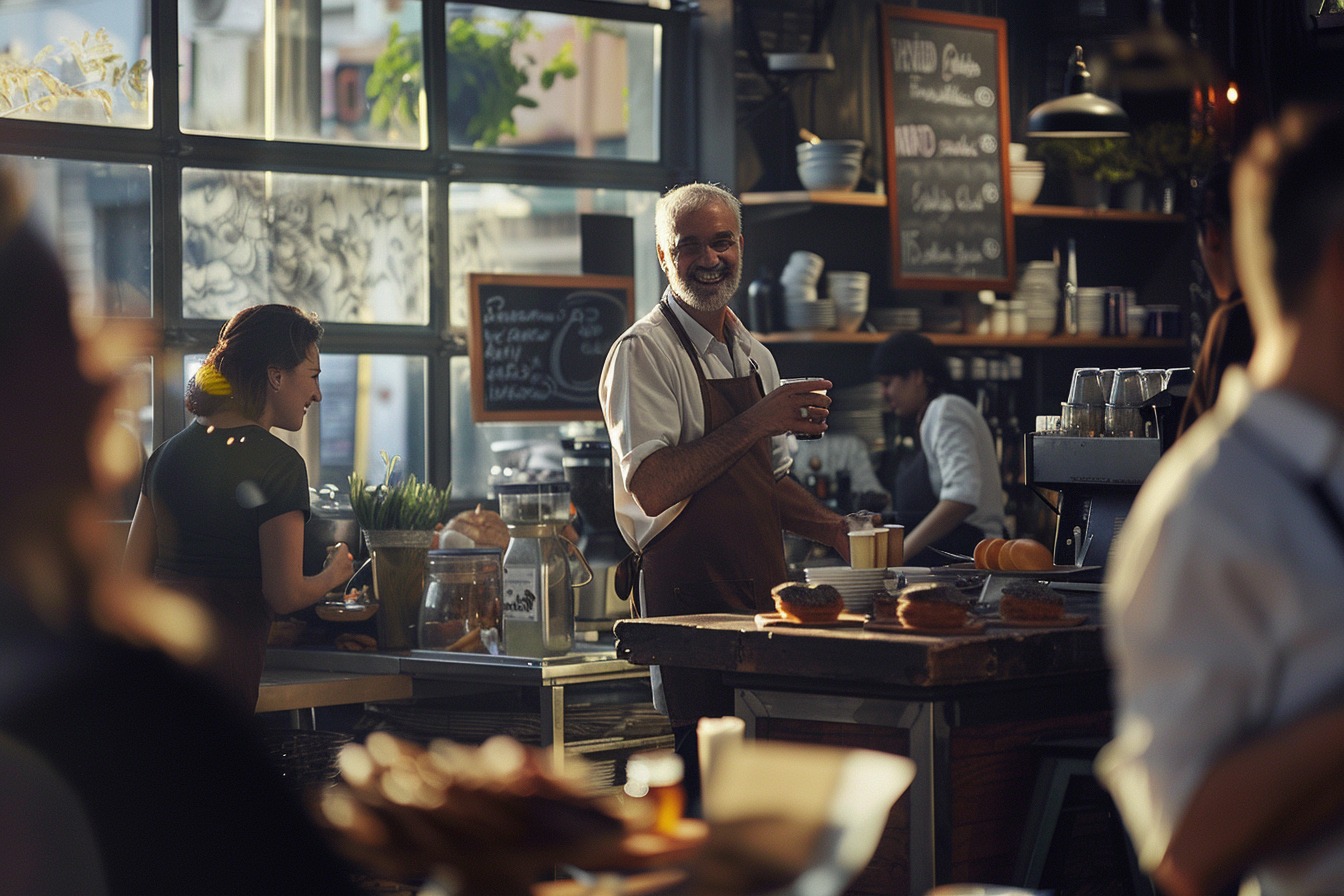
In the away-from-home food sector, venues gear up every year to handle the customer demand the June festivals bring. According to an Abrasel survey, in Sergipe, for example, revenue is expected to rise by up to 30%. In Bahia, the figure should land between 30% and 50%. Moving down the map of Brazil, Rio de Janeiro expects around 15%.
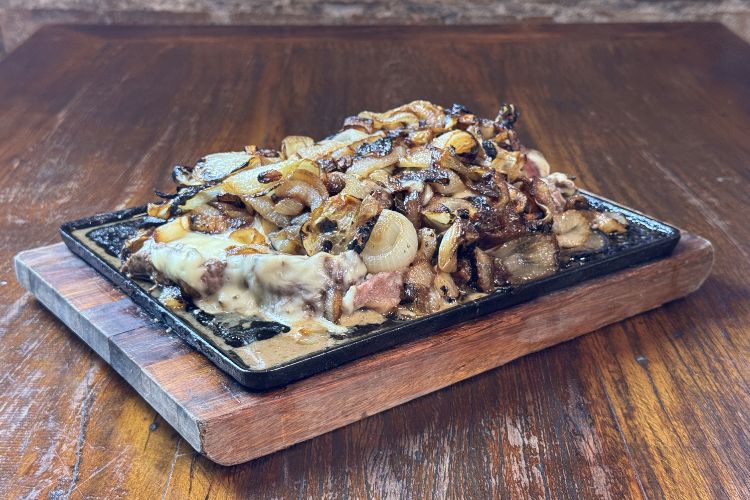
From drinks to traditional dishes, owners stay alert to adapt to everything the month of June involves. Melentino Tedesco, of Tedesco Alimentos, in Santo Antônio de Jesus, Bahia, confirms this. He says he has been preparing special dishes with corn and peanuts for his customers. He also points out that he increased his headcount by 15% to serve them.
Still, despite the optimism in certain regions, the word that defines this year's festivities is stability. Compared with last year, foot traffic is generally holding steady.
“The traditional June festival in the Northeast is a celebration that creates high expectations of revenue growth for the sector, especially for venues located in the cities that host the most traditional festivities. Because São João falls on a weekend, it offers an extra invitation for people to enjoy this lively date at bars and restaurants”, says Paulo Solmucci, executive president of Abrasel.
Beyond heating up the local economy, the June festivals promote Brazilian culture and strengthen people's bond with tradition, especially in the Northeast. That opens space for owners of bars and restaurants to create experiences for customers through traditional decorations and ingredients.
For those who attend the street fairs, the São João celebration is a moment of togetherness. Supporting this kind of event is a way to contribute to and honor cultural traditions, while also fostering the local economy.