
Sushi Combos: How to Build Them and Boost Profits
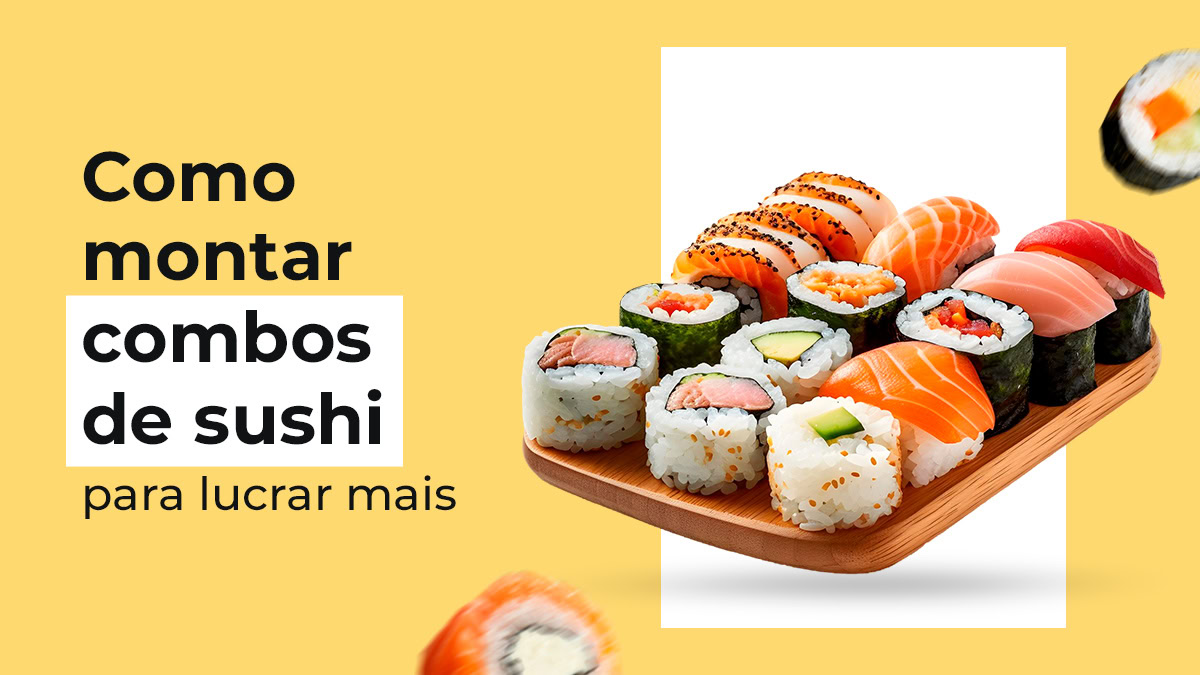
Sushi combos are an excellent strategy to increase sales and attract more customers to your Japanese restaurant. They give diners the chance to enjoy a complete meal and try different flavors at an affordable price
On top of that, building sushi combos is also advantageous for the business. That's because this practice allows better use of ingredients and, as a result, helps increase the profit margin.
Below, check out a complete step-by-step guide to creating profitable sushi combos for your restaurant. Read on!
What are sushi combos?
A sushi combo is a varied selection of different types of sushi, usually served on a single platter. The combination typically includes a mix of:
- Nigiri: Rice balls topped with slices of fish or seafood.
- Sashimi: Slices of raw fish served without rice.
- Hossomaki: Sushi rolls with rice and various fillings, wrapped in nori seaweed.
- Gunkan: A rice base wrapped in a sheet of nori.
- Uramaki: Sushi rolls where the rice is on the outside and the nori seaweed on the inside.
- Temaki: Nori seaweed cones filled with rice and other ingredients.
- Hot Roll: Breaded and fried sushi rolls.
Among other sushi varieties. Combos can be built with different quantities and types of pieces. This way, they range from small portions for a single person to large “sushi boats” for bigger groups.
Thanks to their variety, convenience, visual appeal and value for money, sushi combos have become a popular choice among sushi lovers. Below, learn more about the advantages of adding sushi combos to the menu at your Japanese restaurant!
Why create Japanese food combos?
Sushi combos are hugely successful and a great way to attract customers and increase sales, but there are many other advantages for the restaurant. Check out some of them below:
Standardized ordering
Standardized combos make ordering easier for customers and preparation easier for the kitchen team. This helps prevent mistakes and ensures consistent quality, which is essential for a good experience.
Less waste
Well-planned combos allow you to make better use of ingredients and make production more efficient, minimizing food waste. This is essential to maintaining good Profit margin at the restaurant.
Promotions and offers
Combos can easily be promoted with discounts or special offers, encouraging customers to spend more. Creating themed or seasonal sushi combos can keep the menu fresh and interesting for regular customers.
In addition, the larger combos are ideal for groups, making your restaurant a popular choice for family meals or social gatherings and increasing the average ticket.
Learn more: Restaurant Promotions: The Complete Guide to Boosting Profits
differentiation
Offering sushi combos can set your restaurant apart from the competition, especially if they are unique and well crafted. Exclusive combos can become the restaurant's signature, helping to build a distinct brand identity.
In short, adding sushi combos to the restaurant menu offers several advantages, from attracting and satisfying customers to operational efficiency and higher profitability. Check out the step-by-step guide to building sushi combos below!
9 steps to build profitable sushi combos
Building sushi combos involves a mix of market analysis, creativity and attention to detail.
By following this step-by-step guide, you'll be able to create sushi combos that not only attract and satisfy customers, but also boost profitability and make your restaurant stand out in the market. Take a look!
Leia também: 7 tips to create a profitable restaurant menu
1 – Identify your best-selling sushi types
Start by discovering your target audience's preferences.
To identify the best-selling sushi types, review your restaurant's sales history. Use the data from your system to analyze consumption trends and find out which sushi pieces are most popular with customers.
Also, collect feedback from customers about their preferences and favorite pieces; this can be done through surveys, social media comments or direct conversations.
Another effective technique is direct observation, where you can track which pieces are ordered most often and which get the most praise from customers.
2 – Calculate the number of pieces
The next step is deciding how big the combos will be. Define how many pieces each combo will have — 14, 25 or 45 pieces, for example — considering your audience profile and the dining experience you want to offer.
Make sure to include a balanced variety of each sushi type, based on the popularity you identified earlier, to cater to different customer preferences.
It's also important to ensure a balanced ratio of expensive and inexpensive ingredients to optimize costs and maintain profitability.
3 – Build combos with a variety of flavors
After defining the number of pieces in each combo, select different types of sushi, combining a variety of ingredients, textures and colors.
For example: choose a few pieces with a soft texture, like salmon sashimi, and pair them with crunchier pieces, like cucumber maki. That way, you create a complete sensory experience.
Another good practice is to use ingredients in varied colors to make the combos visually appealing, which is an important part of the dining experience.
4 – Create exclusive combos to stand out
To stand out from the competition, develop unique combinations that aren't easily found elsewhere. You can break away from the traditional and include special pieces and exclusive creations from your house chef.
Some Japanese restaurants go for oyster sauces, crispy leek or kale, fruit jams, cheeses and other elements to compose the pieces and bring different flavors to the combo.
Another way to stand out is by offering vegetarian and vegan sushi combos, which are a growing trend.
5 – Set the price of the sushi combo
A pricing is a very important step to ensure the restaurant's profitability. That's why setting the price of a sushi combo requires a careful calculation of the total cost of the ingredients used.
Add a profit margin and compare prices with local competitors to make sure your combos are competitive in the market.
Also consider the value perceived by customers, including the combo's variety and exclusivity, to set a price that is both fair and appealing.
6 – Create an attractive presentation
Presentation is essential to attract customers and improve their dining experience.
Pay attention to how the pieces are arranged on the plate or in the packaging, using decorations such as shiso leaves, edible flowers or lime slices to add a visually pleasing touch.
Arrange the pieces harmoniously, making it easier for customers to choose and taste them. Add small details, such as soy sauce in elegant containers or a small portion of pickled ginger or wasabi, to enrich the presentation.
7 – Choose creative names
Choosing creative names for the combos can spark customer interest and make ordering easier.
You can use names that refer to size (“For me”, “For us” and “For the crew”), to the main ingredient or piece (“Magnificent Salmon”; “Sashimi Lovers”), or to popularity and the chef's recommendation (“The most loved”; “Chef's favorites”), for example.
The names should align with the restaurant's identity and style, helping reinforce the brand and create a connection with customers.
8 – Take good photos for promotion
To promote your sushi combos, take good photos that highlight the quality and appeal of the pieces. If you can't hire a professional photographer, here are a few tips:
- Use good natural light or softboxes to enhance the colors and textures of the ingredients.
- Shoot from several angles to capture every detail of the combo.
- Create an attractive setting for the photos, with a clean background and props that complement the sushi.
- Do a light edit to improve the colors and sharpness, but keep it realistic so customers know what to expect.
9 – Invest in great delivery packaging
Delivery packaging must be sturdy and high quality to keep the sushi fresh and intact during transport. Besides being functional, the packaging should be attractive and reflect the quality of the restaurant.
Consider eco-friendly options, such as biodegradable or recyclable packaging, to meet customers' sustainability expectations.
Make sure the packaging is easy to open and includes compartments for sauces and sides, providing a pleasant and convenient delivery experience.
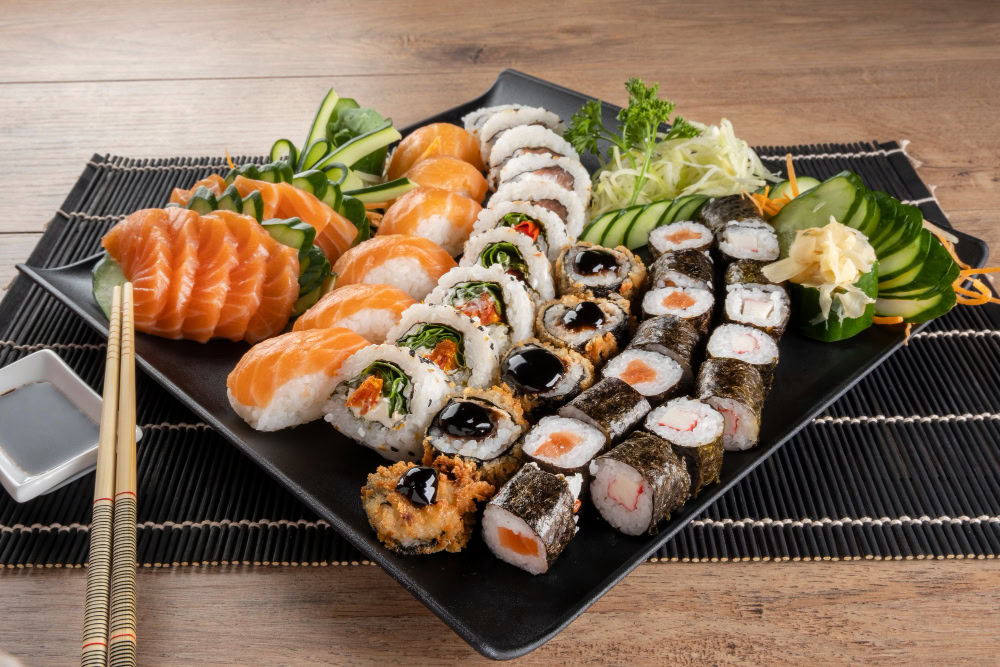
Example of a sushi combo menu
Now that you've seen the step-by-step guide, check out some examples of Japanese food combos to inspire your menu:
Executive combo – 14 pieces
- 4 California uramaki
- 4 Philadelphia hossomaki
- 3 salmon sashimi
- 3 salmon nigiri
Combo for two – 36 pieces
- 8 Philadelphia hot rolls
- 6 Philadelphia hossomaki
- 6 California uramaki
- 4 salmon nigiri
- 4 tuna nigiri
- 4 Philadelphia gunkan
- 4 salmon sashimi
Combo for three – 48 pieces
- 8 Philadelphia uramaki
- 8 Philadelphia hossomaki
- 8 Philadelphia hot rolls
- 6 tuna nigiri
- 6 Philadelphia gunkan
- 6 salmon sashimi
- 6 tuna sashimi
Group combo – 72 pieces
- 16 Philadelphia uramaki
- 16 Philadelphia hossomaki
- 16 tuna sashimi
- 16 salmon sashimi
- 8 salmon nigiri
Veggie Combo – 20 Pieces
- 6 Cucumber and Avocado Uramaki
- 6 Carrot Hossomaki
- 4 Avocado Nigiri
- 4 Seaweed Gunkan
Party Combo – 50 Pieces
- 10 Philadelphia Uramaki
- 10 Philadelphia Hossomaki
- 10 Salmon Nigiri
- 10 Ikura Gunkan
- 10 Salmon Sashimi
Ocean Combo – 40 Pieces
- 10 Salmon Uramaki
- 10 Tuna Hossomaki
- 10 White Fish Nigiri
- 10 Octopus Sashimi
Get your pricing right and boost your sushi profits
As we've seen, creating sushi combos is a great strategy to attract customers and increase sales.
However, for the restaurant to achieve good profitability, you need to know how to price correctly, taking into account costs and the desired profit margin, among other aspects.
To help you calculate the price of your products, EPOC has created a free tool. Access the Product Price Calculator right now and boost your profitability!