Restaurant Reservation Rules
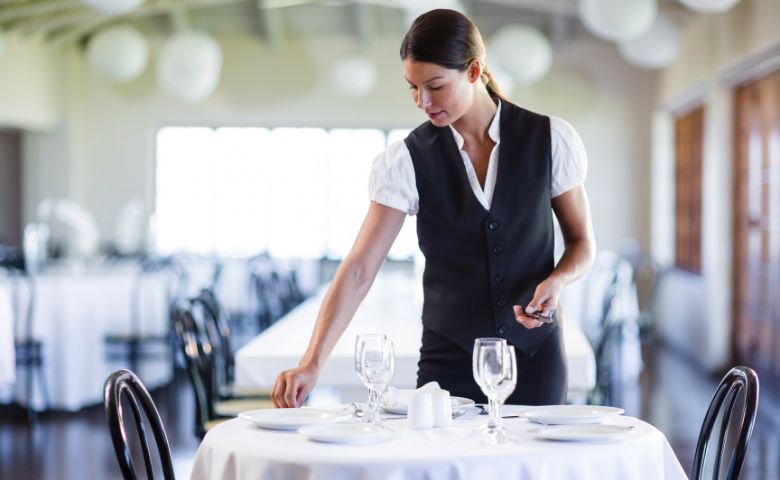
Offering table reservations at your restaurant has many advantages: you can prepare in advance to welcome customers, you get better predictability of the day's traffic, you cut down waiting lines and you improve the experience.
However, you need to take some precautions so you don't end up losing money. That's because customers may book a table and never show up — the infamous “no-show” is, in fact, much more common than we'd like.
The way out of this problem is to create a reservation policy. Want to know how? Then check out our guide below for creating reservation rules at your restaurant.
How do table reservations work?
Table reservations are a fairly common practice at restaurants, especially at the busiest ones, which have limited space.
It works like this: the customer gets in touch to request a reservation. They give the number of people, the date and the time they want. Once confirmed, the spot is guaranteed — they just need to show up at the venue as agreed and the table will be available.
Reservation management can be done in several ways: on a paper list, an excel spreadsheet, a CRM system or specific tools such as reservation apps or websites.
Each restaurant can set its own reservation rules, as long as they comply with the Consumer Protection Code and customers are informed in advance.
Leia também: Service excellence: 11 tips for your restaurant
Why create a reservation policy for your restaurant?
A Reservation Policy is a set of rules for reservations at your restaurant. It lays out guidance and guidelines for booking tables, including cancellation terms, no-show and other conditions.
Creating a reservation policy for your establishment is essential to:
- Ensure efficient management
- Deliver a positive experience to customers
- Optimize table occupancy
- Increase predictability and organize the operation
- Reduce no-shows
By setting clear rules for table reservations, your restaurant shows professionalism and transparency. This helps your team improve service and also prevents potential conflicts with customers.
Below, check out what to include in your restaurant's Reservation Policy.
How to set reservation rules at your restaurant?
As we saw earlier, each restaurant can create its own rules for table reservations. You just need to be careful not to violate the Consumer Protection Code.
Some aspects are essential for building your Reservation Policy. We've listed the main ones below.
Number of tables available
Start by setting how many tables will be available for reservation. Having this defined is important to keep a balance and prevent your restaurant from taking big losses.
After all, if every table is booked and 30% don't show up, you've got a hole in the day's revenue. That's not a risk you can take.
Reservation system
Define the process for taking reservations. This matters both for your team to handle bookings efficiently and for delivering good customer service.
What's the contact channel? How is it tracked? Which system will be used? Who's the person in charge? Define the process step by step and train your team.
A good system option is reservation apps or websites. These tools let customers book on their own, request confirmation and send reminders. This way, besides automating the process, they help reduce no-shows.
Reservation deadlines
Another important point for better managing your restaurant's table reservations is setting the deadlines.
- How far in advance can customers make reservations?
- Can customers book for the same day? Up until what time?
Number of people
It's also worth including guidelines for larger group reservations in your Reservation Policy, since they require more careful preparation and also cause bigger losses if the customers don't show up.
Specify a minimum number of people to count as a group reservation. For example: from five people up it will be considered a large group and charged an advance fee. Or: from 15 people up you need to have a Menu set in advance.
Reservation confirmation
Confirming reservations is a good practice that makes table management more efficient, because if someone cancels you can already reach out to the customers on the waitlist or release the table to whoever walks in.
The confirmation can be done a few hours before the reservation time, whether by phone, message or e-mail. Assign this task to someone on your team or use tools that request confirmation automatically.
On top of that, at the time of booking you can ask the customer to confirm or to let you know if they cancel.
Late arrivals
Set the maximum grace period for late arrivals. At most restaurants it's 15 minutes. If the customer is later than what's set in the Reservation Policy, you can release the table to the next person in the waiting line.
Treine sua equipe to always inform customers about this grace period at the time of booking and to contact the customer if they're running late. This helps avoid conflicts.
Cancellation
Also include the rules for cancelling reservations. It should state the maximum deadline for cancellation and give the necessary guidance, such as the right channel to get in touch.
Although it's still not very common, some restaurants charge a cancellation fee. It's allowed and must be disclosed at the time the reservation is made.
No show
To avoid missed reservations, your Reservation Policy can include a fee for a no-show.
Since it isn't common, customers are expected to push back against it. So a good practice is to charge an amount up front and then discount it from the customer's bill. If they really don't show up, the restaurant keeps the money.
Waitlist
Keep a waitlist so you can reach out if there's a cancellation, a late arrival or a no-show. Assim você organiza melhor a ocupação das mesas e também evita prejuízos.
A good idea is to offer a discount or a complimentary item to customers who joined the waitlist. That way, they'll feel rewarded for waiting and will have a positive experience, which can help build loyalty.
Optimize your table service with EPOC
Having reservation rules at your restaurant is essential for managing tables efficiently, keeping a good occupancy rate and avoiding losses. It also makes the relationship with the customer more transparent and boosts your establishment's credibility.
By applying what you saw in this article, your Reservation Policy will certainly be complete and your restaurant will be ready to serve customers and deliver an incredible experience.
To improve your table service even further, count on EPOC! Our solution — POS with table service split by seat position or by customer name — delivers personalized, efficient, high-standard service.
On top of that, you'll have access to all the data you need to understand your customers' profile and their consumption behavior.
Through visual charts, understand how your table turnover works, your revenue, average ticket, time spent at the table, number of people per time slot and much more!
Want to see how it works in practice? Then Schedule a free demo and talk to our consultants.