
À la Carte: What It Is and How It Works

If you want to offer a high-quality dining experience at your restaurant, à la carte service is the best option.
In this model, customers are free to choose individual dishes from a varied menu, allowing them to enjoy a personalized meal.
To find out how it works, its advantages, and how to offer outstanding à la carte service, keep reading!
What is à la carte?
The French expression “à la carte” means “as listed on the menu.”
This is one of the most traditional types of restaurant service: the menu lists the individual dishes available, and customers are free to build their meal according to their own preferences.
An à la carte menu is usually divided into:
- Appetizers
- Main Courses
- Side dishes
- Desserts
- drinks
Because of this, this type of Menu typically features a wide variety of items, each with its own price.
How does an à la carte restaurant work?
An à la carte restaurant offers customers a personalized experience, which also makes its operation more complex.
Customers can look over the menu, pick out the dishes they want, and place their order with the waiter. Each dish is prepared individually in the kitchen — which demands more experience from chefs and kitchen assistants.
This system gives customers a great deal of flexibility, letting them decide what to order and when to order it. At the same time, the establishment has to be ready to handle a wide range of orders and even adapt dishes on request.
It's different from a self-service restaurant, for example, where customers serve themselves from a buffet of available dishes and pay by weight or by the type of food chosen. Or from prix fixe meals, which offer a complete meal for a set price.
In à la carte dining, each dish has its own price, along with its own prep and wait time. Dishes that take longer to prepare may come with a higher price tag.
Leia também: Prix fixe meals: how to build the perfect menu
What are the advantages of offering this type of service?
À la carte service comes with a range of advantages, both for restaurants and for customers. Check out the main ones below!
Variety and personalization
As we've seen, one of the main features of an à la carte menu is the variety of options offered to customers and the freedom to choose their dishes. Meal personalization is one of the biggest advantages of this type of restaurant.
Quality and freshness
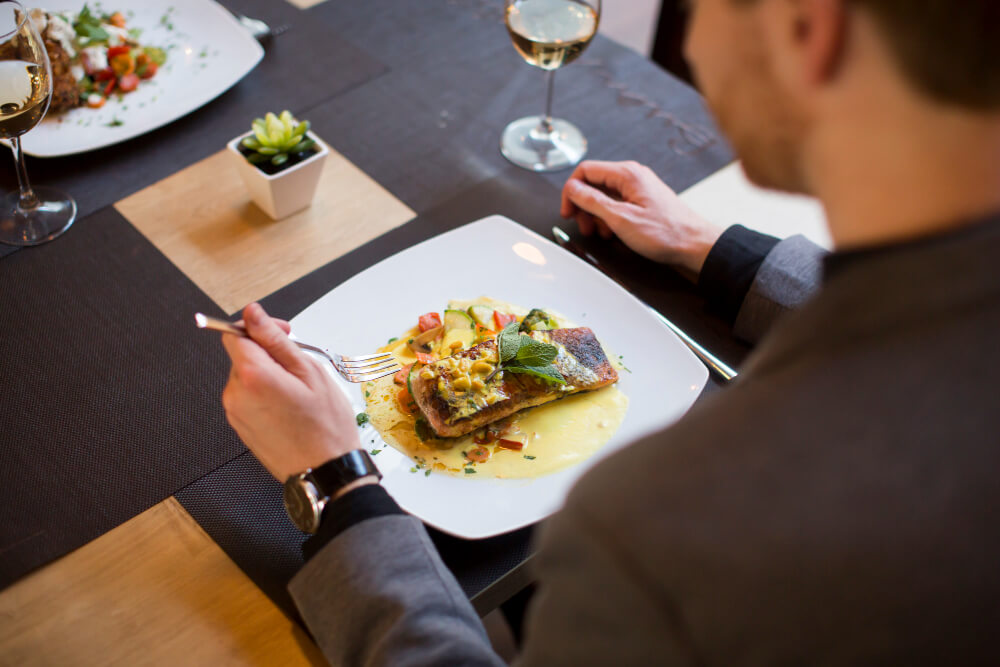
Since dishes are prepared individually, right on the spot, they also tend to be fresher and higher quality. This type of service is common in fine dining restaurants, where dishes are more elaborate, with more sophisticated ingredients and preparations.
Cost control
Since each dish is made individually, the restaurant knows exactly which ingredients it needs for production and has tighter control over costs. That's made possible with Recipe cards.
Flexibility and adaptation
Since dishes are individual and each customer chooses their own meal, it's possible to make adjustments for dietary preferences or restrictions, making the experience more inclusive and personalized.
Better experience
All of these advantages add up to a better customer experience. In à la carte service, every meal is unique, and if service is quick and dishes are served at a high standard, customers are sure to leave satisfied.
How do you build an à la carte menu?
To build an effective, appealing à la carte menu, you need to factor in your restaurant's concept and your audience's profile.
Besides offering a range of options that match customer preferences, it's also worth maintaining consistency while staying flexible enough for customers to adapt dishes however they like.
Check out some tips below for creating an à la carte menu for your restaurant
- Target audience: Knowing your customers' preferences and needs is the first step toward an appealing menu. Age range, lifestyle, dietary preferences, and purchasing power are a few things worth observing.
- Concept: Menu options should also align with your restaurant's concept, so it has a consistent style and identity of its own. Focusing on one specific type of cuisine is recommended for keeping the menu cohesive.
- Variety: Offer a variety of options to satisfy your customers' tastes and dietary restrictions. Think about a diverse range of appetizers, main courses, side dishes, and desserts, while also considering which combinations make sense together. Just be careful not to end up with an overly long menu — in most cases, a leaner menu works better.
- Prices: When putting together your à la carte menu, it's important to know the ingredients and costs involved in production, so you can set a price range that's accessible to your audience. Also think about how to make the most of each ingredient across your recipes, to make inventory management easier and avoid waste.
- Personalização: An à la carte menu also needs some flexibility so customers can adapt a dish to their preferences. Include options that allow for easy substitutions, anticipating needs like restrictive diets and allergies.
Examples of à la carte dishes
Below, check out some à la carte dish ideas that tend to be popular and could work well on your menu.
Appetizers
Beef carpaccio
Fish ceviche
Tomato and basil bruschetta
Caprese salad
Main Courses
Filet Mignon with Red Wine Sauce
Mushroom Risotto
Grilled Salmon with Herb Sauce
Ricotta and Spinach Ravioli
Side dishes
Greek-style rice
Au Gratin Potatoes
Sautéed Vegetables
Green salad
Desserts
Petit Gâteau
Ice cream
Strawberry Cheesecake
Tiramisu
drinks
Red and white wines
Drinks: caipirinha, mojito, etc.
Beers
Soft drinks
Coffee
Tips for offering the best à la carte service
In general, customers look for à la carte restaurants when they want a the dining experience standout experience.
That's why it's essential to deliver excellent service and ensure a quality meal. Check out some tips below for offering the best à la carte service!
presentation of the dishes
An à la carte menu should offer varied, appealing options, but if you really want to stand out and impress your customers, you also need to put care into how dishes and drinks are presented.
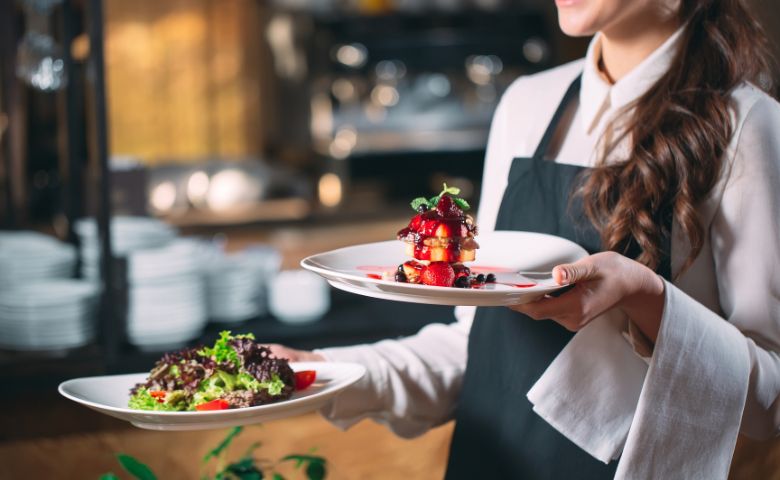
Since each dish is prepared individually, you can put together a more elaborate plating to make each item more appealing. This makes the whole experience more interesting and memorable.
Consultative service
Delivering excellent service is essential. That means welcoming and seating customers promptly, taking orders quickly and accurately, and being available to answer questions and offer suggestions.
That's why having an POS system is so important. It makes life easier for waiters, who have no trouble taking down orders, don't need to move around as much to do so, and can focus more attention on customers.
This way, your service team doesn't waste as much time, can focus on selling more, and delivers standout service.
Prep time
Prep time for à la carte dishes can vary quite a bit. To avoid leaving customers waiting and causing dissatisfaction, it's important to plan ahead and train your team to organize production.
Having a system KDS can make this task much easier. When integrated with the POS, orders are sent straight to the production stations and organized automatically. There's also a timer showing how long an order has been in production, plus an alert to help avoid delays.
Discover EPOC and transform the customer experience
As we've seen, à la carte restaurants come with several advantages, but succeeding requires delivering excellent service and ensuring a great experience for customers.
If you want to optimize your operation and offer your customers the best possible service, discover EPOC: a solution for restaurants with POS, KDS, back office, inventory control, digital menu, and much more. To see how it works in practice, Schedule a free demo and see how we can help.