Rodízio Restaurant: what it is and Works
If you want to open a restaurant or are looking for ways to attract more customers, the all-you-can-eat model is a great option.
Traditional in steakhouses and pizzerias, it's a big hit with people who want to eat as much as they like and try a diversity of dishes and flavors. That's why it has also been catching on in other types of business, such as sushi restaurants and burger joints.
In this article, you'll understand what rodízio is, how it works and the essential aspects of managing this type of restaurant well. Follow along!
What is rodízio?
Rodízio is the type of service in which waiters circulate through the dining room offering different dishes to customers, in several “rounds”. At an all-you-can-eat meat restaurant, for example, they bring assorted cuts to be served right at the table, one at a time.
So customers can eat as much as they like and try several flavors, paying just a fixed price. That makes the model quite attractive to the public, especially groups and families.
The all-you-can-eat menu lists the dishes offered and states the price per person. In some cases, an all-you-can-eat buffet with sides, salads and desserts is also included. Get a better understanding of how all-you-can-eat service works in restaurants below!
How does all-you-can-eat service work in restaurants?
The service dynamic at an all-you-can-eat restaurant can vary depending on the type of food served, but some characteristics are common. Among them we can mention:
- Fixed price – Customers pay a fixed price that entitles them to eat as much as they like.
- Table service – A steady flow of waiters offering different dishes to customers.
- Variety of options – All-you-can-eat service includes several dishes, with different flavors and preparations.
- All-you-can-eat buffet – In some cases, all-you-can-eat service also includes a buffet with sides, salads and desserts.
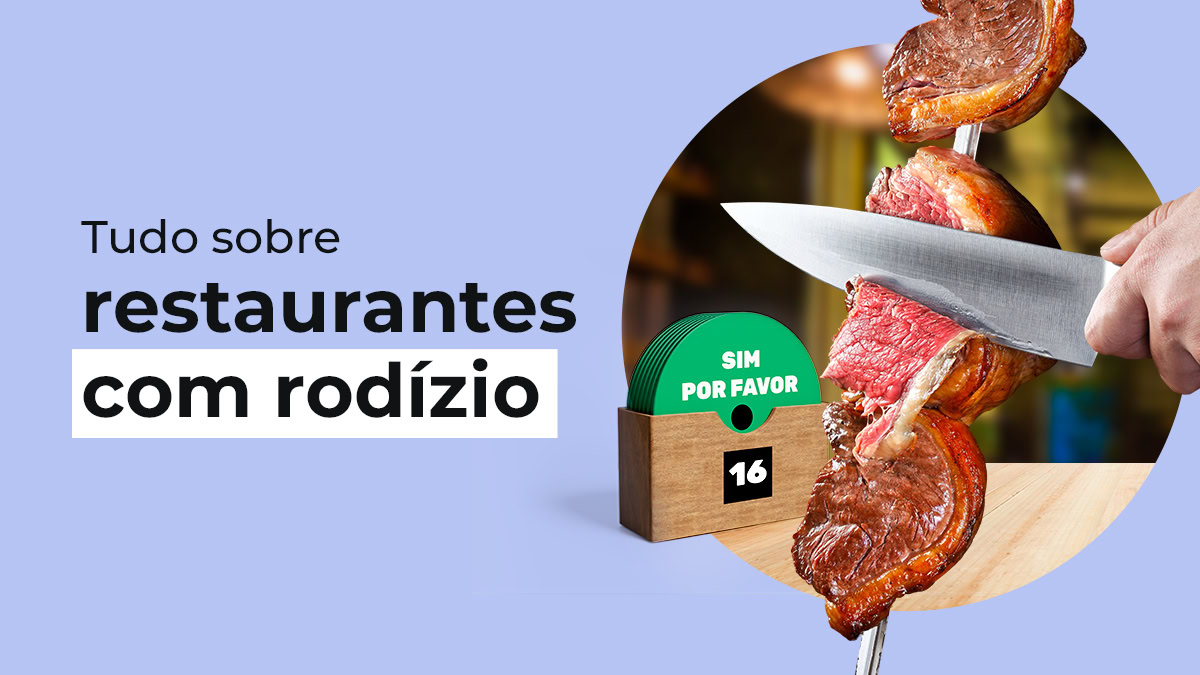
- Signaling: Some restaurants use cards or signals (like “red” to stop and “green” to continue) so customers can indicate when they want to be served again.
- Time limit: Some establishments control how long customers stay, but that depends on each place's policy.
Some of these aspects make running an all-you-can-eat restaurant simpler than an à la carte one, for example.
Since customers don't select the dishes they'll eat, order management is easier — generally only drinks and desserts aren't included in the fixed price and are therefore recorded separately on the customer's tab.
Production in the kitchen also tends to be less complex, requiring only good inventory management and demand forecasting, handling the peak times.
In that sense, the challenge is keeping an adequate amount of each dish circulating through the dining room so every customer has a chance to eat and, at the same time, not generating food waste.
As for service, you need to define the processes and have a well-trained team.
Waiters must serve every variety to every customer and not leave anyone waiting too long. So organization and speed are essential to deliver good service.
What are the main types of all-you-can-eat food?
Although it's most common in steakhouses and pizzerias, all-you-can-eat service can also be adopted by other types of restaurants.
Since it's a model that's very popular among Brazilians, this type of service is expanding into sushi restaurants, burger joints, pastel shops, snack bars and other business models. Find out more below!
All-you-can-eat pizza
All-you-can-eat pizza is a hit with families and groups of friends looking for a place to celebrate a birthday or other special occasions. The pizzas are offered by the slice, with a variety of savory and sweet flavors.
Some also have an all-you-can-eat buffet of pastas in different varieties and sauces, plus salads and sides.
All-you-can-eat meat
All-you-can-eat meat is the most traditional: this type of service originated in steakhouses and also became known as “espeto corrido”.
The restaurants serve different cuts of roasted meat — short ribs, picanha, tri-tip, top sirloin, filet mignon and so on — bringing the skewer to the table to carve according to the customer's preference. It's also common to offer an all-you-can-eat buffet with sides and salads.
Japanese all-you-can-eat
Japanese restaurants saw in this service format an opportunity to attract customers who want to try many varieties of vegan at a more affordable price.
A Japanese all-you-can-eat includes different types of sushi, sashimi, temaki and hot dishes of Japanese cuisine.
All-you-can-eat mini burgers
The burger joints also innovated by creating all-you-can-eat mini burgers. The idea is to let customers try different types of burgers, fillings and sides.
Besides dine-in service, burger joints can offer a mini-burger catering service for events, expanding the possibilities of the business.
All-you-can-eat pasta
All-you-can-eat pasta is common in Italian restaurants and pizzerias.
Customers can sample several pastas (spaghetti, penne, tagliatelle and so on) and sauces (bolognese, four cheese, pesto, carbonara and so on), served at the table in individual portions or buffet style.
The menu usually also includes other dishes like polenta, lasagna, gnocchi and cappelletti soups, plus meats such as filet mignon and steak parmigiana.
All-you-can-eat bar food
Bar food, as the traditional snacks that go with a cold beer are known, is also a trend in all-you-can-eat.
Many bars and restaurants have started offering this service, letting customers try different snacks without having to order a full portion.
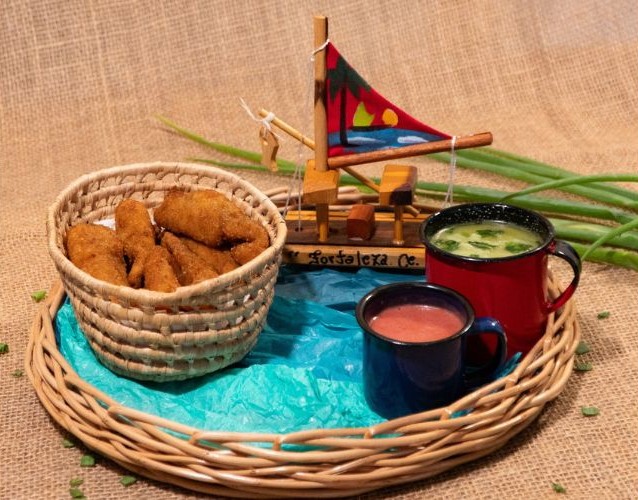
The menu can include a selection of bar foods, such as calabresa sausage with onions, fish strips, bite-sized fried chicken, feijoada fritters, fried tapioca cubes, pastéis, buraco quente and others.
How to succeed with a rodízio restaurant
Despite also having some challenges, this business model is quite advantageous for restaurants.
The format is attractive to customers, who tend to come in large groups. Table turnover is also higher, since there's no need to wait for each order to be made. And since the price is fixed, it's easier to forecast revenue and do your financial planning.
In other words: with good management, it's possible to achieve achieve good profit margins and win the public over. Check out some essential tips for success below!
Dish quality
Serving quality food is essential to retain your customers.
So choose fresh, high-quality ingredients and take care with both the preparation and the presentation. That way, your customers will come back more often and recommend your restaurant to other people.
A welcoming space
Part of the dining experience is tied to the space. So, make you restaurant welcoming, with good décor and cleanliness.
It's important to have comfortable tables and chairs and room for waiters and customers to move around. Lighting and music also contribute to a more pleasant atmosphere.
Efficient service
At an all-you-can-eat restaurant, customers expect the waiters to offer a variety of options throughout the meal, without having to wait around for the next dish.
That's why you should invest in a good POS system and in ongoing staff training, to ensure fast and efficient service.
Inventory and waste management
Without good inventory management and waste management, you can end up throwing money away and shrinking your profit margin.
So monitor your inventory rigorously and put in place practices that minimize waste, such as preparing proper portions and using ingredients across several recipes.
Simplify your restaurant's management
Investing in a rodízio restaurant can be an excellent business opportunity, as long as you manage it well and stay focused on offering a high-quality experience.
That's why choosing an efficient restaurant system is essential. EPOC is a platform with everything you need: order management, sales control, inventory and purchasing management, results analysis and much more!
To find out how we can help, talk to our specialists and tell us what your goals are.